We need more regulations for online gambling
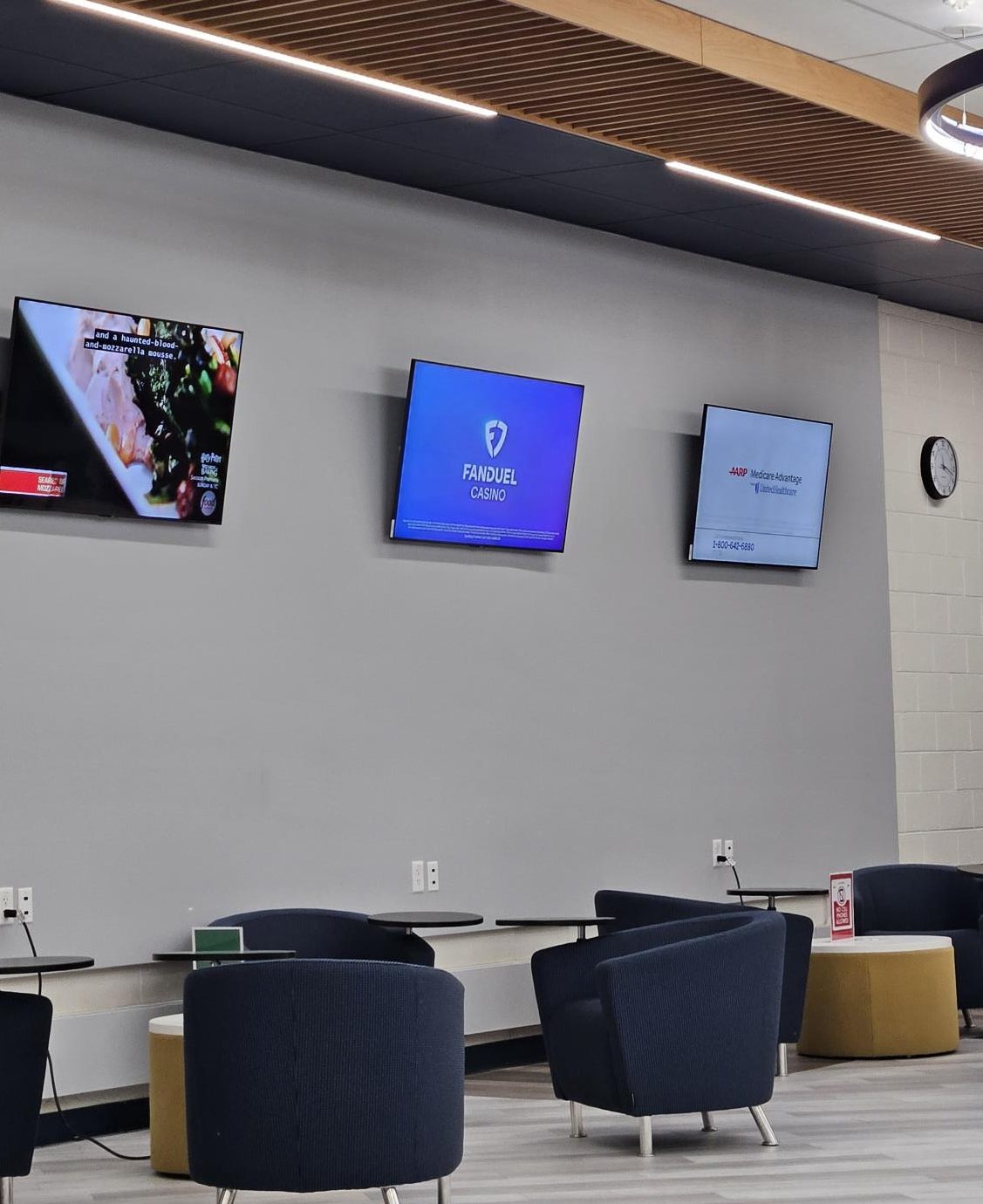
On the TVs in the Commons, Del Val’s media center, you might find ads for companies like Fanduel or BetMGM promoting their online casinos or “We’ll match your first bet” policies. The ads are bright and colorful, with celebrities and jingles which glamorize gambling.
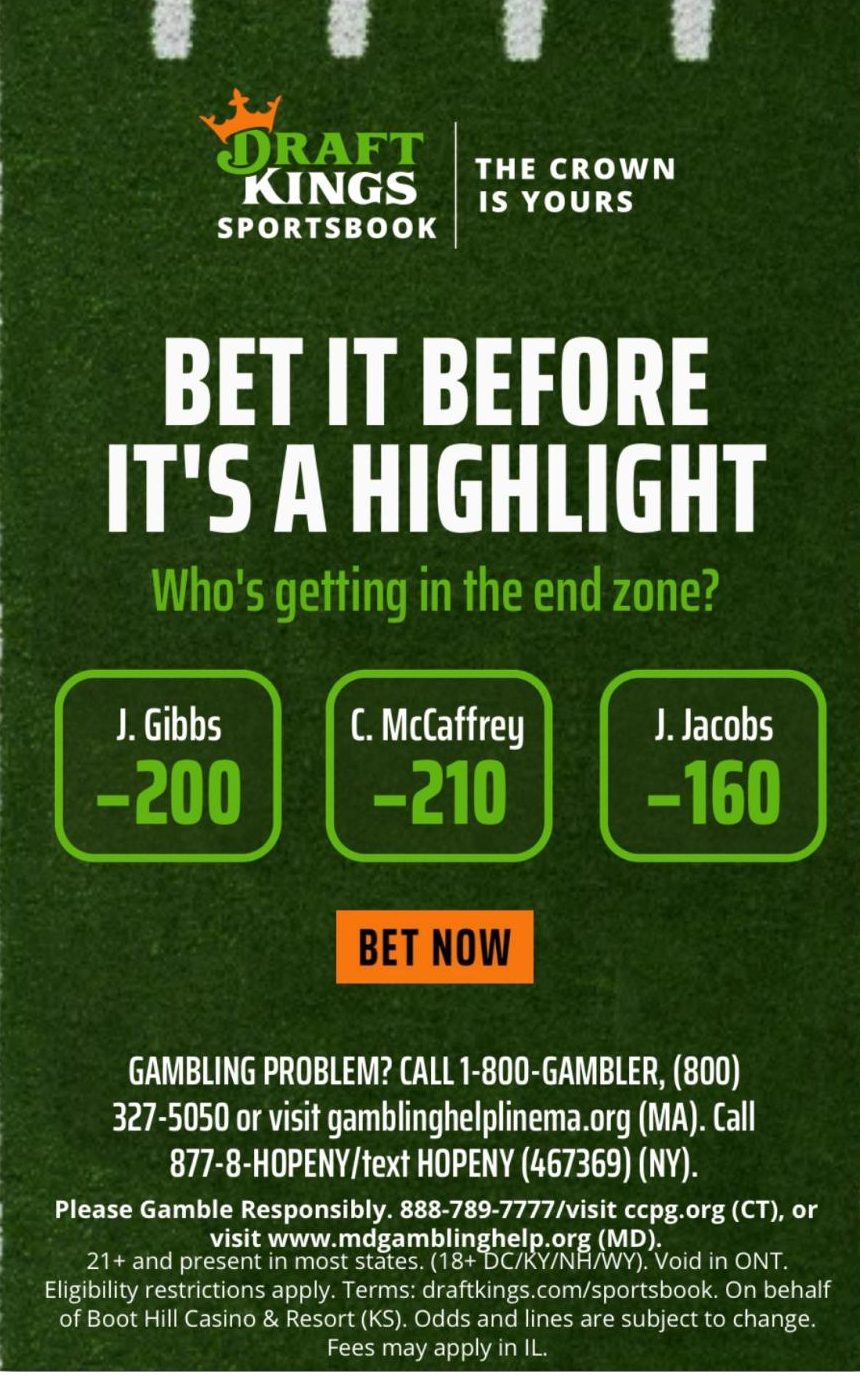
On your phone, while scrolling, you might see ads that promise big wins, with hundreds of dollars on the line if you just download the app and sign up now.
The ads promise you the thrill of winning big, but in reality, online gambling is an industry which preys upon people hoping to win everything, while they slowly lose everything.
30% of bettors have debts over gambling and between 12-18% of Gambler’s Anonymous members reported a suicide attempt.
The lack of regulation on these ads are exposing vulnerable, young children to dangerous, harmful behavior before their brains can comprehend the consequences of online gambling.
When you think of gambling, you might think of card games, poker chips, slot machines and Vegas casinos, but its history goes further back.
Gambling has been around as far back as Mesopotamia; ancient China and ancient Egypt also had big betting cultures. Sports betting can be traced back to the Olympics between 800-700 B.C.
In 1638, in Venice, Italy, the first casino was opened by the government. II Riddotto was open for 136 years and closed in 1774 due to moderate purity, behavior and discipline.
In 1931, Nevada legalized gambling to attempt to recover from the Great Depression. In 1941, El Rancho Vegas opened. El Rancho Vegas was the first modern casino on the Vegas Strip.
Mob involvement in Vegas casinos began in 1946 when Meyer Lansky bought the Flamingo. Benjamin “Bugsy” Siegel, his companion, ran the hotel until 1947 when the mob shut the hotel down for mismanagement of funds. However, the Flamingo became the standard for the mob-run gambling industry in Vegas.
Over time, more laws were put in place and businesses saw the profits they could make in Vegas, and, by 1986, the mob had lost its grip on the strip and corporations took over managing the casino floors.
In 2018, the Professional and Amateur Sports Protection Act gave all states the opportunity to legalize sports betting. Delaware was the first state to legalize online sports betting and since then, online sports gambling has been legalized in 32 states. Sports gambling in New Jersey was legalized June 11, 2018.
The first online casinos were developed by Microgamingand launched in 1996. It only had 18 casino games. Over two years, the number of online casinos grew to 200.
Now, there are many websites and apps on which you can wager a bet. Some of the most popular include BetMGM, FanDuel, DraftKings or Fanatics. While some people may know those companies from the real estate they own in Vegas, most people know them from the barrage of ads they see online.
Mike Hiestand, the Senior Legal Counsel at the Student Press Law Center, further explains the legality of gambling advertisement via email.
“Online gambling ads became common only after a 2018 Supreme Court ruling allowed states to legalize sports betting. These ads are legal in states that permit gambling, though they’re monitored for misleading claims,” Hiestand said, “So the difference isn’t so much about what’s ‘good’ or ‘bad’ for mental health, but about how lawmakers and regulators have chosen to handle each industry.”
All laws related to online gambling are regulated by the state, not the federal government, which means there is a lot of inconsistency between states.
Along with the inconsistencies between states, young children who are exposed to gambling behaviors by age 12 are 4 times more likely to engage in problematic gambling later in life.
Technically, these companies aren’t doing anything wrong, since they aren’t explicitly advertising to kids; however, kids are still seeing these ads and being affected by them. The normalization of gambling can cause immense stress on those who fall victim to it.
Gambling is more than just a financial stressor.
“Gambling in general can affect one’s mental health by leading to depression, anxiety, stress or even low self-esteem,” Heather Eckhardt, student assistance councilor, said. “Like all addictions, there is often an extreme feeling of shame associated with it during the low’s, especially when it is affecting one’s family life, finances and mental health. This feeling of shame can lead to long term issues with depression or even thoughts of suicide or self-harm.”
There are many ways to lessen or even avoid the impacts of an addiction.
“The easiest way to avoid addiction is to never start a behavior that becomes addictive. But that’s not always simple, because when we’re stressed or upset, our brains want relief fast. That’s where instant-gratification behaviors come in. They temporarily feel good because they activate the brain’s reward system. These might work temporarily, but they don’t solve the feelings underneath and over time the brain starts to need them to feel okay. That’s how addiction can develop,” Eckhardt said.
There are many things you can do to feel better that aren’t as destructive as online gambling.
“[some things that can help are] going for a walk or getting fresh air, exercising, painting, journaling, or spending time in nature, watching something funny to shift your mood, or talking to someone supportive. These activities don’t just distract you — they help you process what you’re feeling instead of numbing it,” Eckhardt said.
The plague of these ads is everywhere. Everyone has a story about ads.
Even though minors are not the intended demographic for these ads, the ads still make people under 21 feel something.
Gambling ads are unlikely to go away. They are everywhere and since we can’t avoid them, we have to be conscious that gambling online is illegal for people under 18 or 21 (depending on the state) and that it’s not always so obvious.
Micro transactions, crates and loot boxes are also forms of gambling. Even if it’s not real money. Not only are these ads setting high schoolers up for failure, but young children as well.
“Teen gambling is often normalized through social media and influencer ads, which can be problematic because it makes gambling seem fun and harmless. It does not identify the potential emotional and financial risks associated with it,” Eckhardt said.
We must acknowledge the impact legally, financially and mentally, of gambling underage. While it may look fun and harmless, there are serious consequences.
“If you think you may be struggling with a gambling problem, you can call 1-800-GAMBLER. You can also reach out to the resources you have at school as well. Those resources are: Ms. Eckhardt, Ms. Matlee, or Ms. Hons, School Social Worker.” Eckhardt said.
Your donation will support the student journalists of Delaware Valley Regional High School. Your contribution will allow us to attend conventions, purchase equipment and cover our annual website hosting costs.