When ICE pulls the trigger, no American is safe


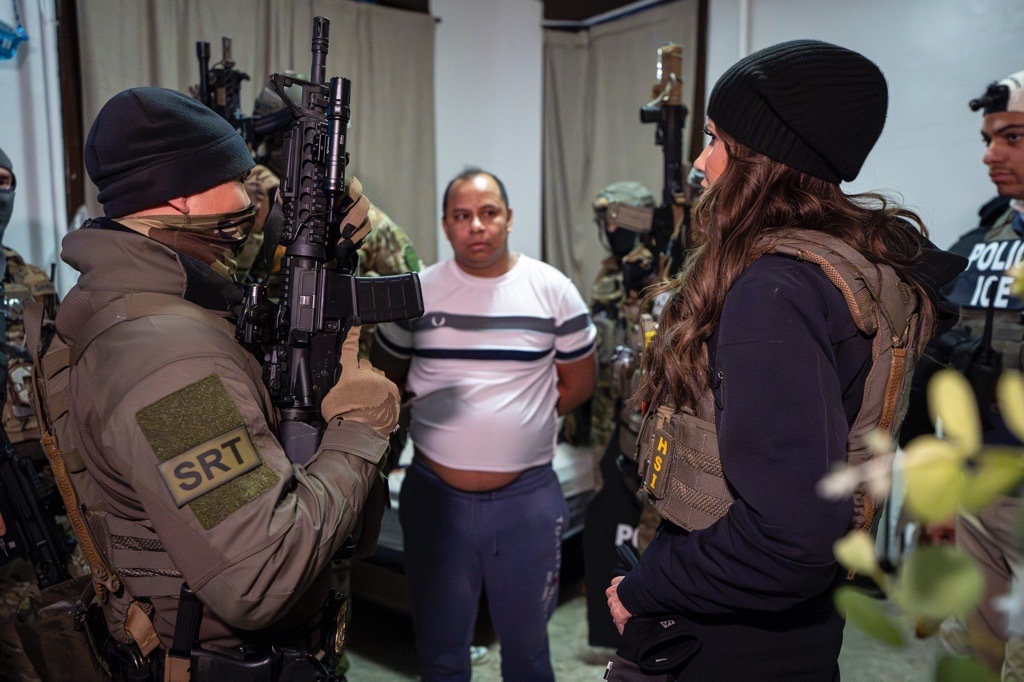
Under President Donald Trump, ICE has become a political weapon. Immigration enforcement has been transformed into a symbol of fear, punishment and dehumanization. The raids are announced like victories; deportations framed as medals; the cruel treatment of people videoed and captioned like a game; ICE agents cast as war heroes.
They have created an environment where rapid escalation is seen as righteous. They are no longer carrying out policy; they are carrying out ideology.
As part of Trump’s “largest immigration operation ever,” he has also instated quotas on these federal agents. They are required to detain anyone they even “suspect” lacks U.S. citizenship.
Setting these standards for agents makes them increasingly more dangerous; especially with the Supreme Court ruling on Sept. 8, 2025, which allows agents to racially profile. Making this practice permissible leads to a lack of trust in law enforcement, violates constitutional rights and leads to alienation.
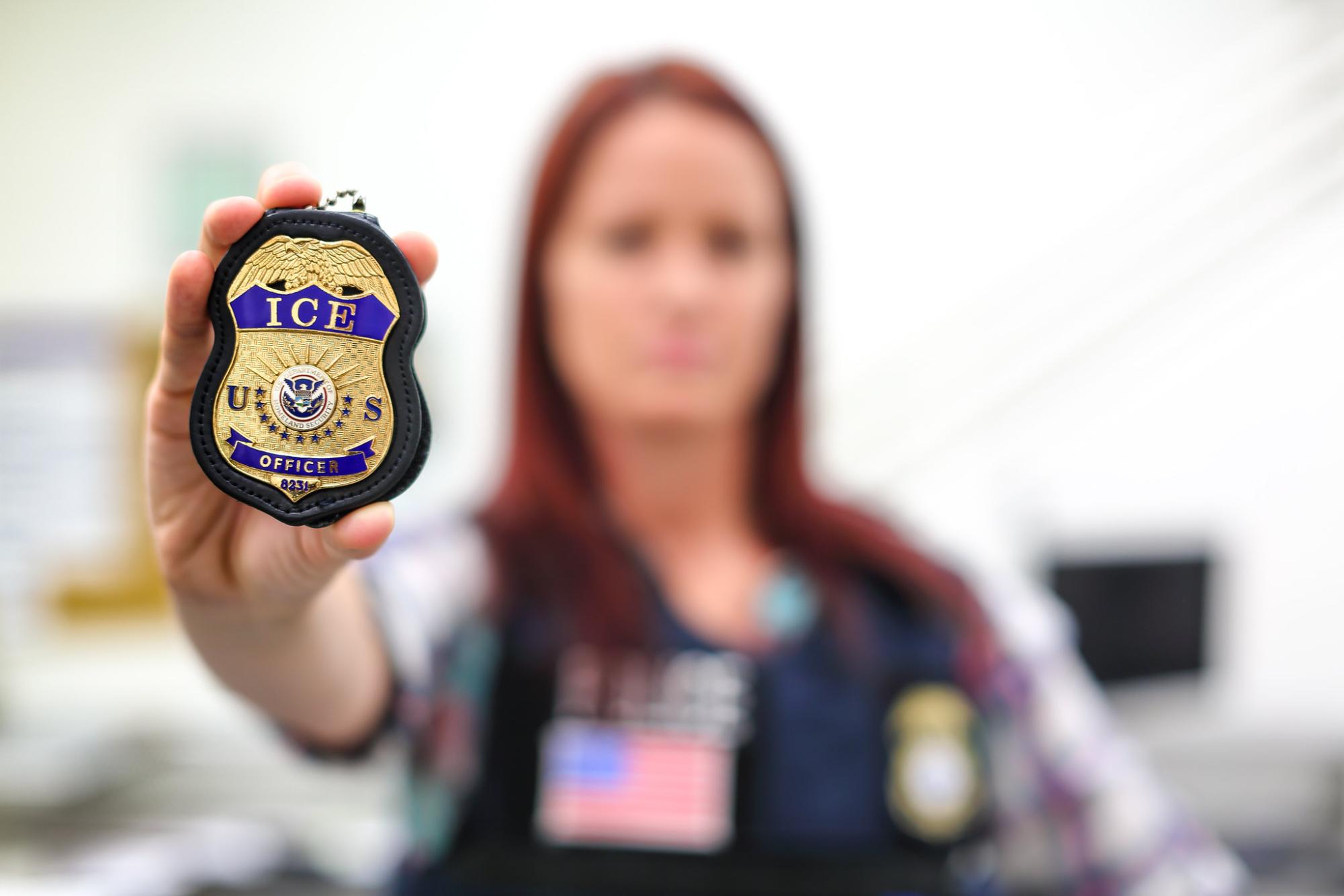
The U.S. Department of Justice’s Justice Manual, specifically section 1-16.200, outlines the use of deadly force by federal officers.
“Firearms may not be discharged solely to disable moving vehicles. Specifically, firearms may not be discharged at a moving vehicle unless: (1) a person in the vehicle is threatening the officer or another person with deadly force by means other than the vehicle; or (2) the vehicle is operated in a manner that threatens to cause death or serious physical injury to the officer or others, and no other objectively reasonable means of defense appear to exist, which includes moving out of the path of the vehicle.”
In the case of Pretti, all footage shows how he was unarmed and restrained by ICE agents when shot. In the same section of the Justice Manual, the actions from the agents directly contradicts its rules.
In the manual, it reads that an officer may only use deadly force when it is reasonable to believe the person poses an imminent danger of death or serious injury, and deadly force cannot be used solely to prevent a suspect from fleeing.
Pretti did not pose any threat to the agents, but rather was only trying to protect a fellow Minneapolis resident. Although he carried a gun, it was registered and never removed from his holster.
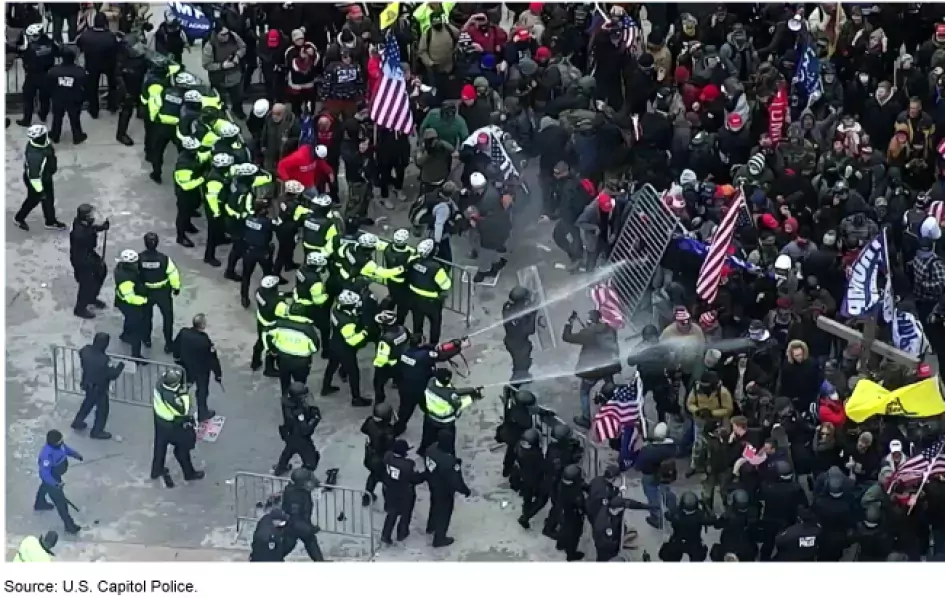
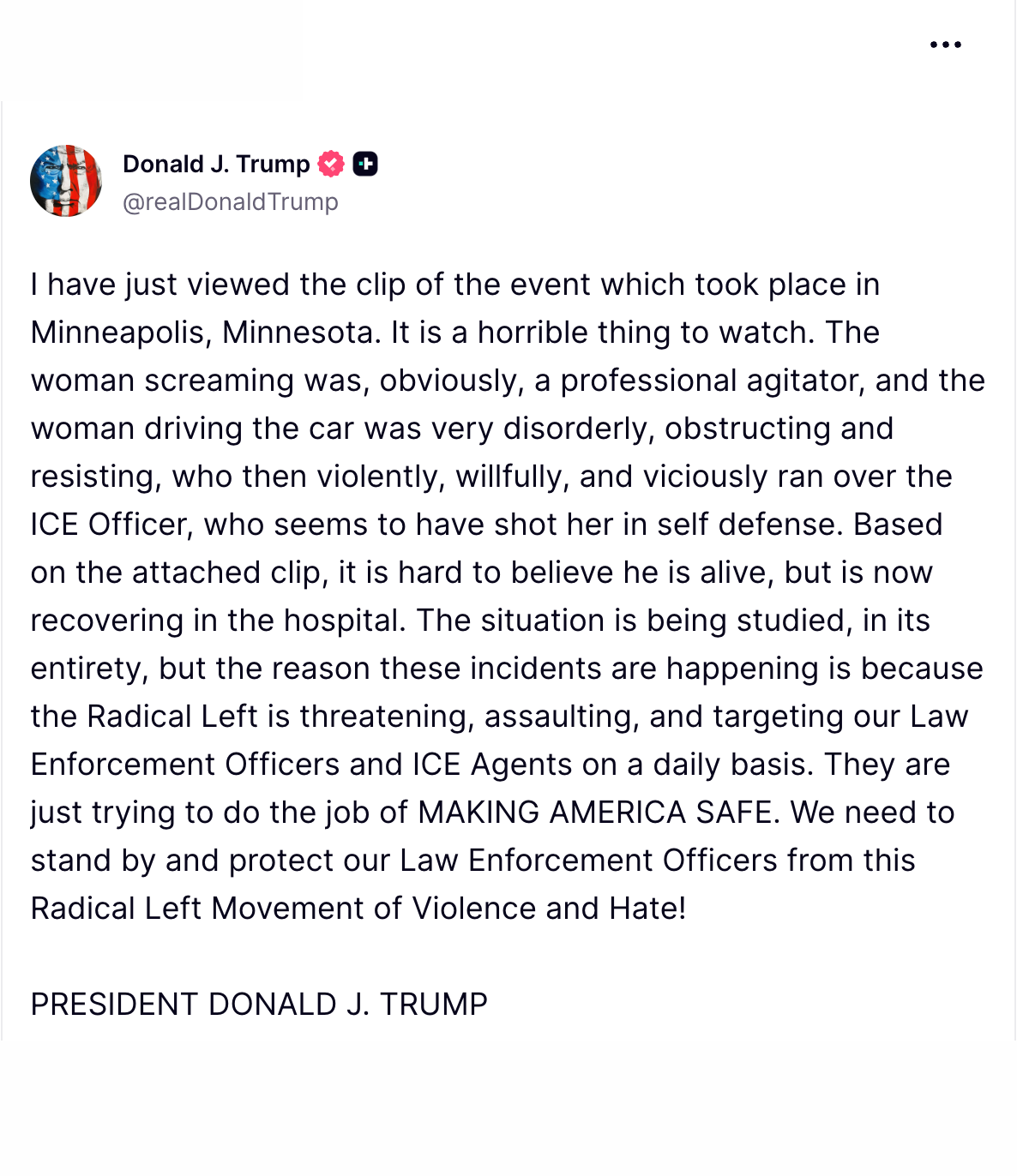
The facts from the murders of Renee Good and Alex Pretti have been wildly skewed by the current administration. Particularly, President Trump, Vice President J.D. Vance and DHS Secretary Noem have been key players in the spread of misinformation.
In the case of Good, the administration stressed the story of the prior altercation involving an ICE agent who was dragged by a vehicle to justify the reason he killed her. Despite no clear evidence that Good posed an imminent threat at the moment she was killed, the administration was able to construct a story that her death was the consequence of her own behavior.
Similarly, Pretti was quickly painted to be an armed “terrorist” who, by carrying his legally registered firearm — which was never drawn — to a protest, he effectively consented to being killed.
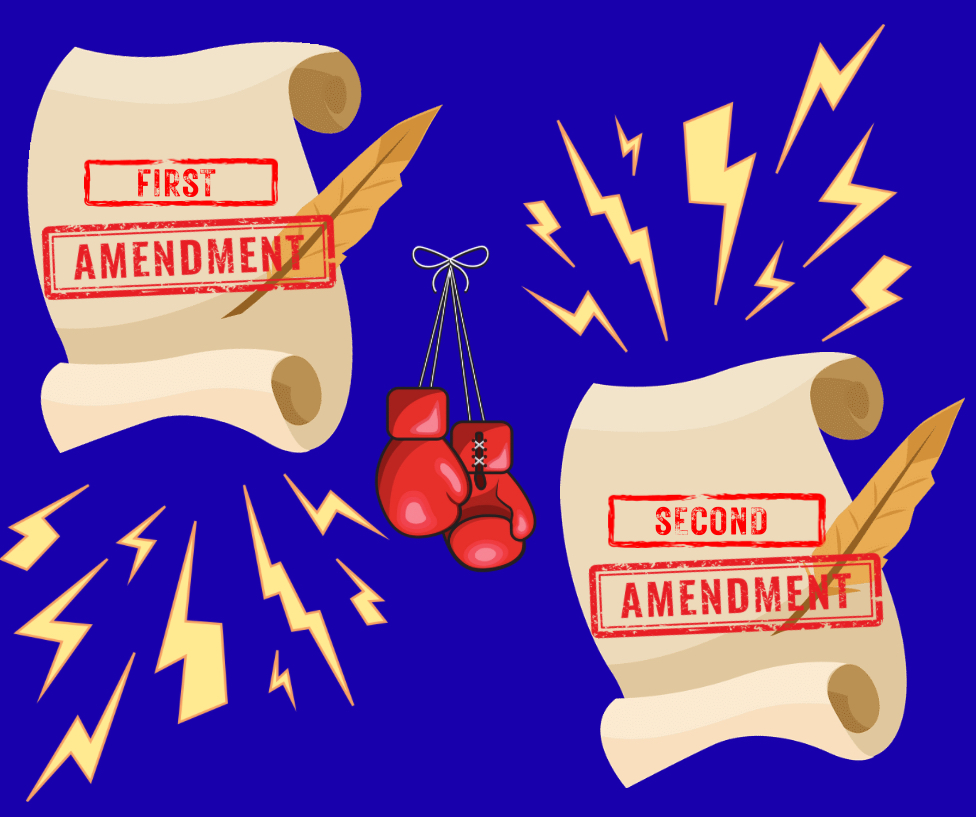
President Trump’s allies, such as FBI Director Kash Patel, suggested that Pretti’s lawful possenssion of a firearm made him inherently threatening; these are the same people advocating for no restrictions on the Second Amendment.
It’s ironic how MAGA’s supposed devotion of the Second Amendment halts when gun rights are exercised by someone who doesn’t align with their ideology; the right to bear arms is only protected when it serves their mission.
In the 2020 case of Kyle Rittenhouse shooting three people, killing two of them, President Trump actively supported him. He called him a “nice young man“ and even hosted him at Mar-a-Lago following Rittenhouse’s acquittal.

Events such as these have shown to cause large amounts of discourse, especially online.
In the days following the Minneapolis shootings, public outrage intensified after a former CNN anchor Don Lemon was detained while covering the ICE raid, raising alarms among fellow journalists about the criminalization of journalism and transparency with the current administration. According to reporting, Lemon was briefly held, despite clearly identifying as media and documenting activity in a public space–conduct protected under the First Amendment.
Lemon hasn’t been the only one: Mario Guevara was detained for live streaming law enforcement activity during a “No Kings” rally in Atlanta, Steve Held was tackled and detained while covering an ICE protest in Illinois and other journalists were shoved by federal agents at a New York immigration court.
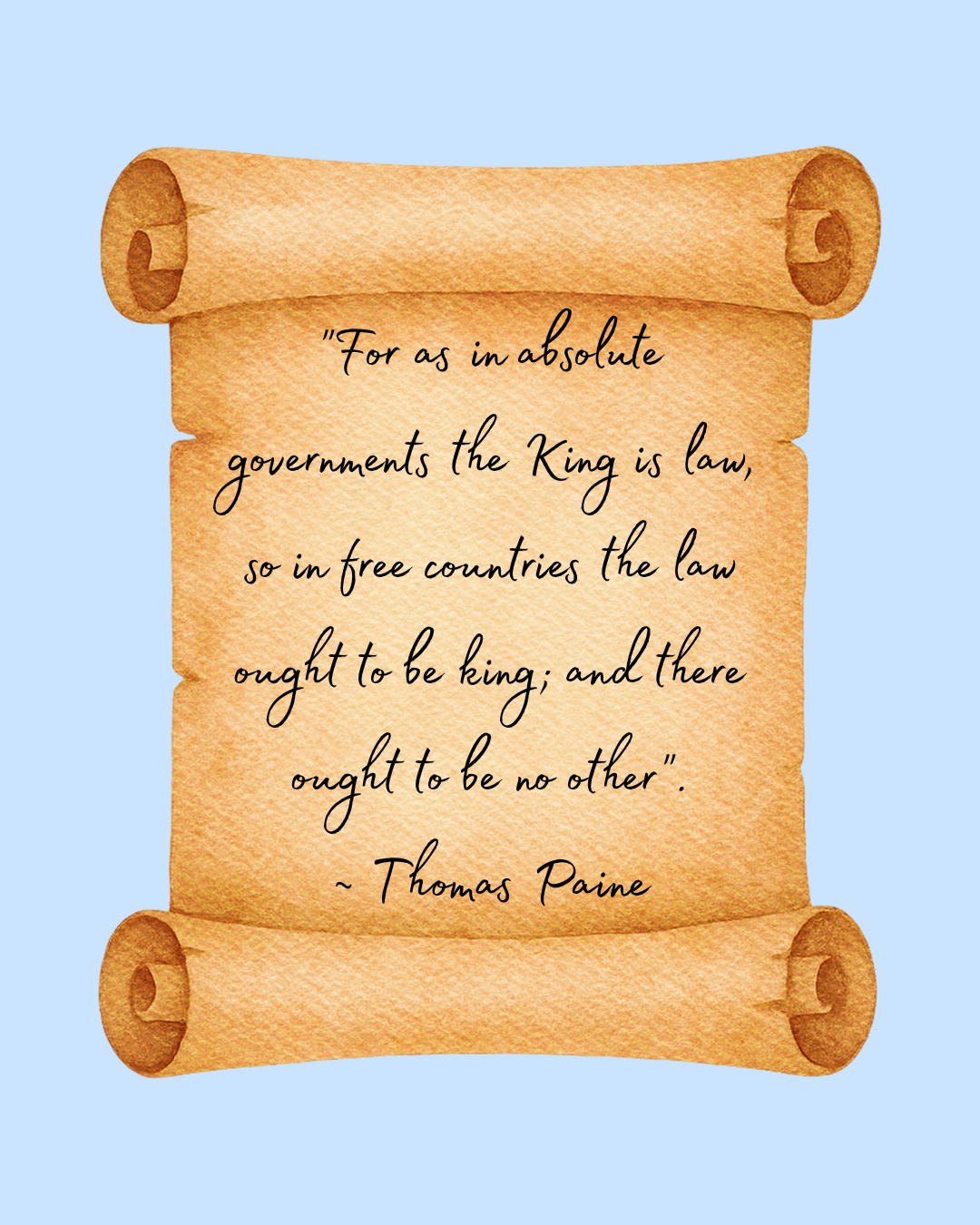
The minute we go quiet is the minute this administration can take complete control. Continuing to speak out remains a civic responsibility.
Support Minnesota by visiting 5 Calls to call your state representatives and demand action for Minneapolis.
This article was updated Feb. 10, 2026 at 1:26 p.m.
Your donation will support the student journalists of Delaware Valley Regional High School. Your contribution will allow us to attend conventions, purchase equipment and cover our annual website hosting costs.