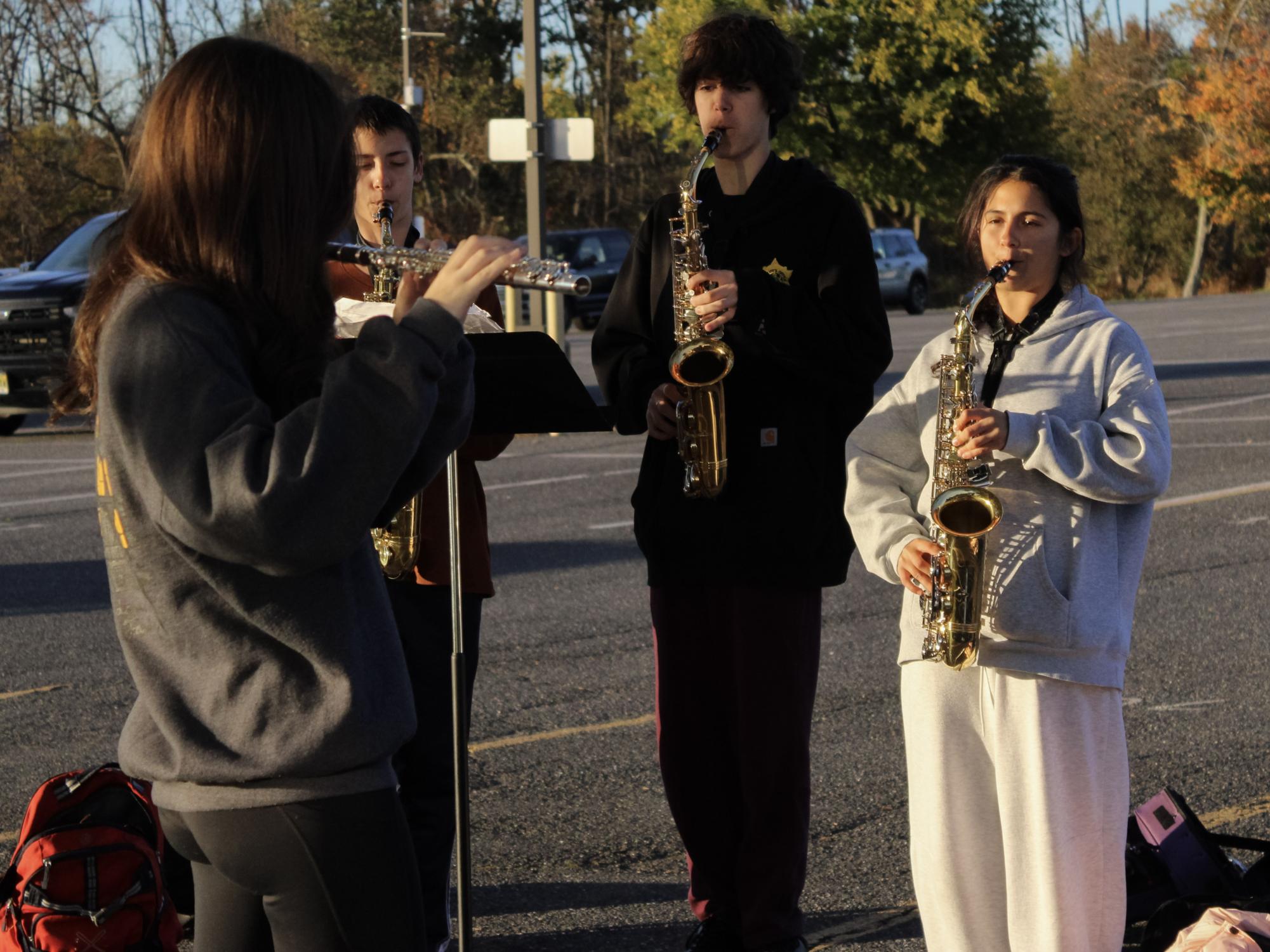
Most rehearsals follow a similar schedule. Rehearsals usually start at 6:00 p.m. Sometimes they start with sectionals, a rehearsal where similar instruments practice together instead of the entire band. Sectionals are run by students leaders.
Having students leaders lead sections is beneficial in a few ways; students get valuable experience as leaders, gain proficiency in their instruments, and learn social skills. Assistant band director Andrew Kapetanakis believes it helps the students learn vital skills.
“It gives the student leaders leadership experience.” Kapetanakis said. “It allows them to actually figure out what it means to be a leader and to manage time and rehearsal. For the other students in the sections, it’s one of their peers being everything, not an adult.”
After sectionals, rehearsal will begin. When the Golden Regiment cannot be on the turf due to other group’s practices or games, they will go to their own practice field along the paved walkway to the turf.
Once at the fields, the band warms up by stretching, followed by a run. Occasionally, the band will rehearse marching techniques.
After warmups, the band begins to rehearse parts of their show, usually looking at three or four sections each night. Towards the end of rehearsal, director Thomas Hayden directs the band to play the entire piece together.
“[We do a full run] to realize the work that we did that day; to put into context any of the concepts that we were toying with in rehearsal. To then see if it can be realized in the context of a performance as opposed to just the isolated chunk that we’re running in rehearsal.” Hayden said.
After the full run, the band gathers around the drum major’s podium. Student leaders then give advice or knowledge to the band. These tidbits range in content, from advice with schoolwork to marching techniques, they often stem from personal experiences.
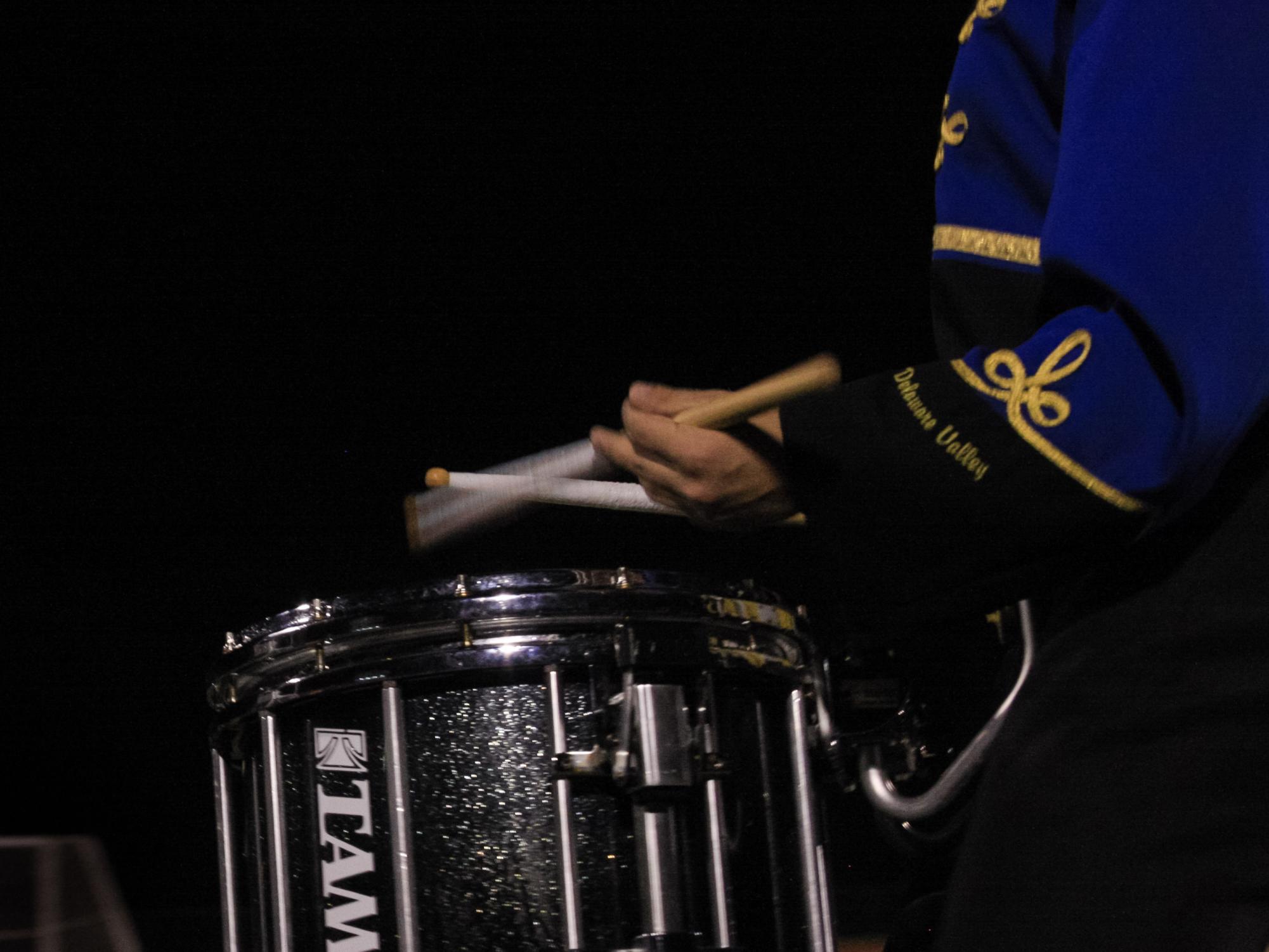
If there is a home football game, the Golden Regiment stays active. Fridays for the Golden Regiment start at 4:00 p.m., when a trailer is hitched to the band’s Gator, and equipment is loaded on. Ryan Carr, electronics captain, leads this effort, along with percussion director Brandon Schuetz, as well as members of the front ensemble.
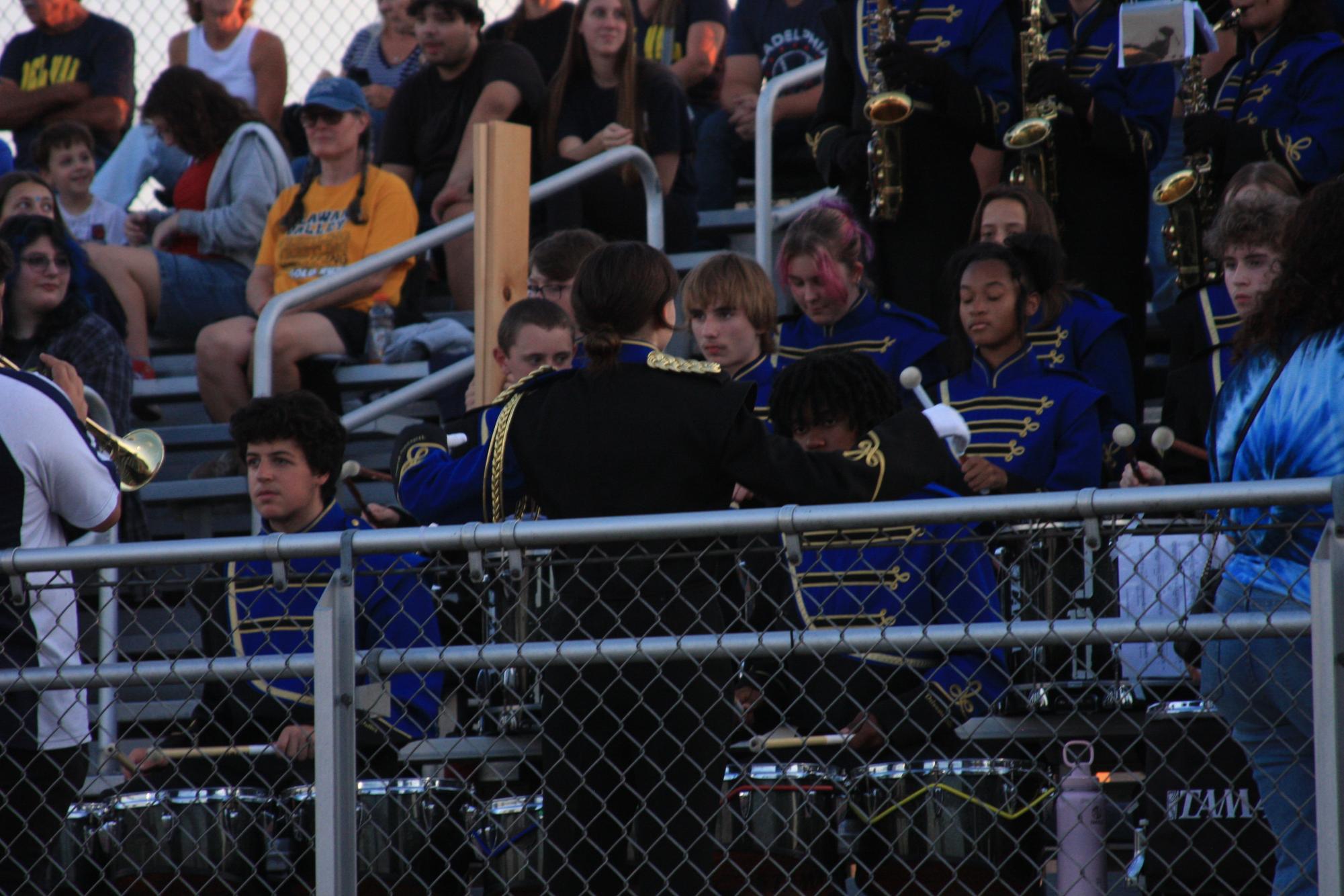
An hour and a half before the game starts, the rest of the band arrives for stand rehearsals. Drum major Maya Sliver conducts the band. Thirty minutes before the game the band finishes stand rehearsals, and marches down to the football field.
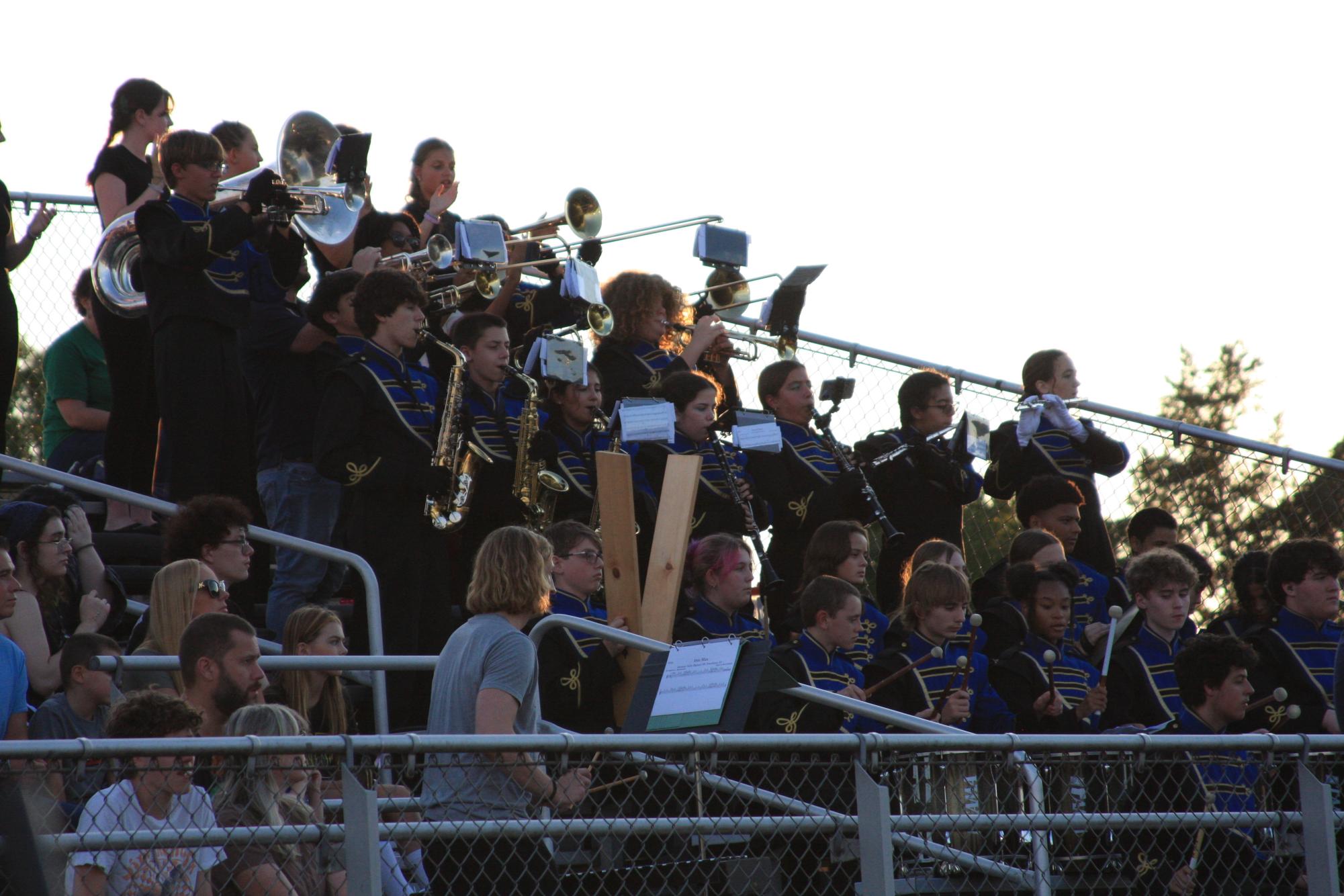
During the first and second quarters of the game, the Golden Regiment plays in the stands. Some of their stand tunes include Jig 2, The Hey Song, Notre Dame, and more. All stand tunes are written by Kapetanakis. He has been writing music for the band for three years now.
“A lot of [the music] I brought in. We didn’t use to have all of them,” Kapetanakis said.
Sliver studies the game as she chooses the tunes for the band to play. Students who perform in the front ensemble will use handheld percussion instruments, such as cymbals or cowbells, while the band increase the spirit in the stands.
A few non-marching members will also join the band at home games, including freshman Tucker Sliverthorn and John Venkus, father of eighth grader John Venkus.
As the second quarter of the football game nears the end, the Golden Regiment prepares to take the field. Several Del Val students, alumni, and parents assist with this. Many of the larger instruments are so large and cumbersome that so two people push them onto the field.
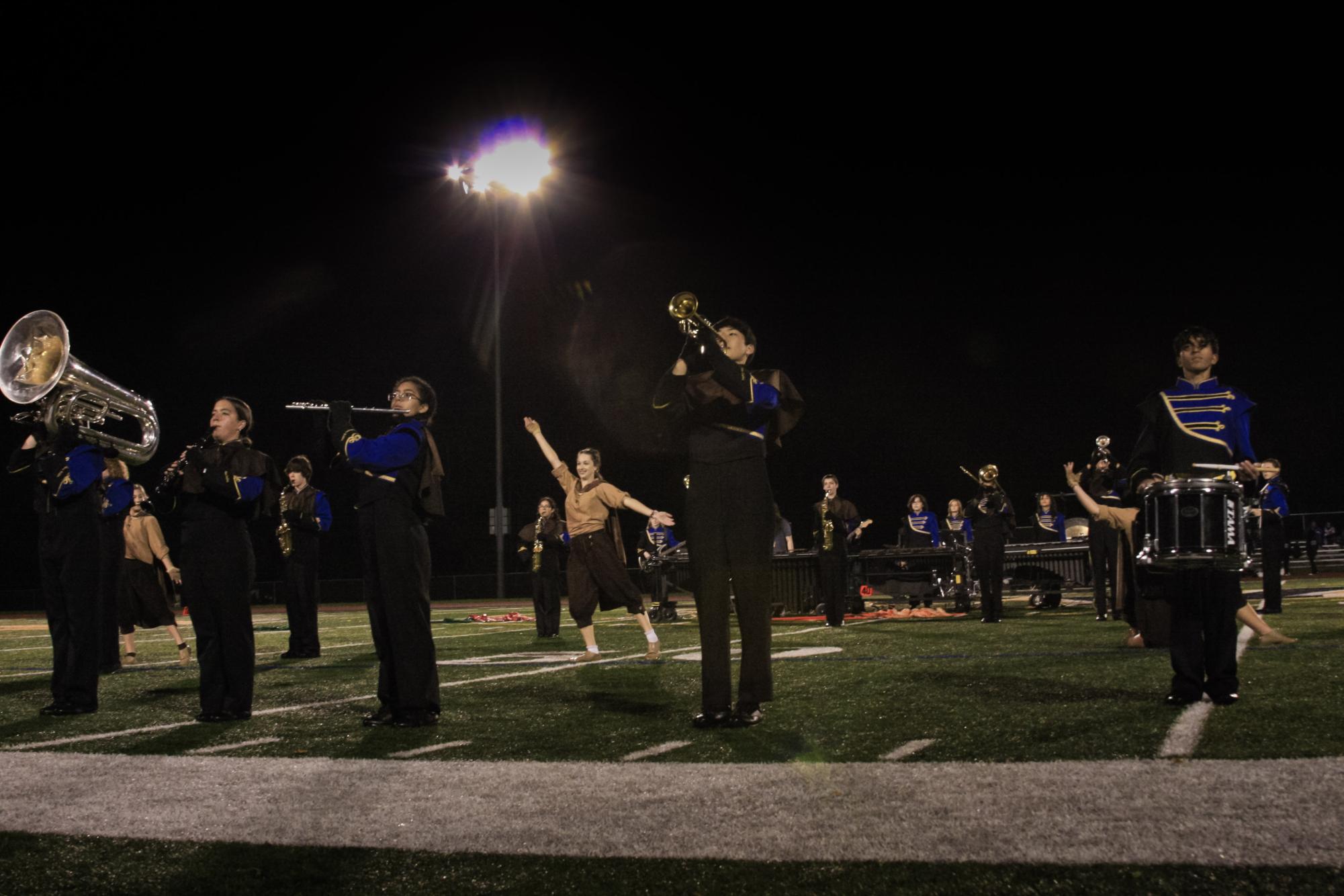
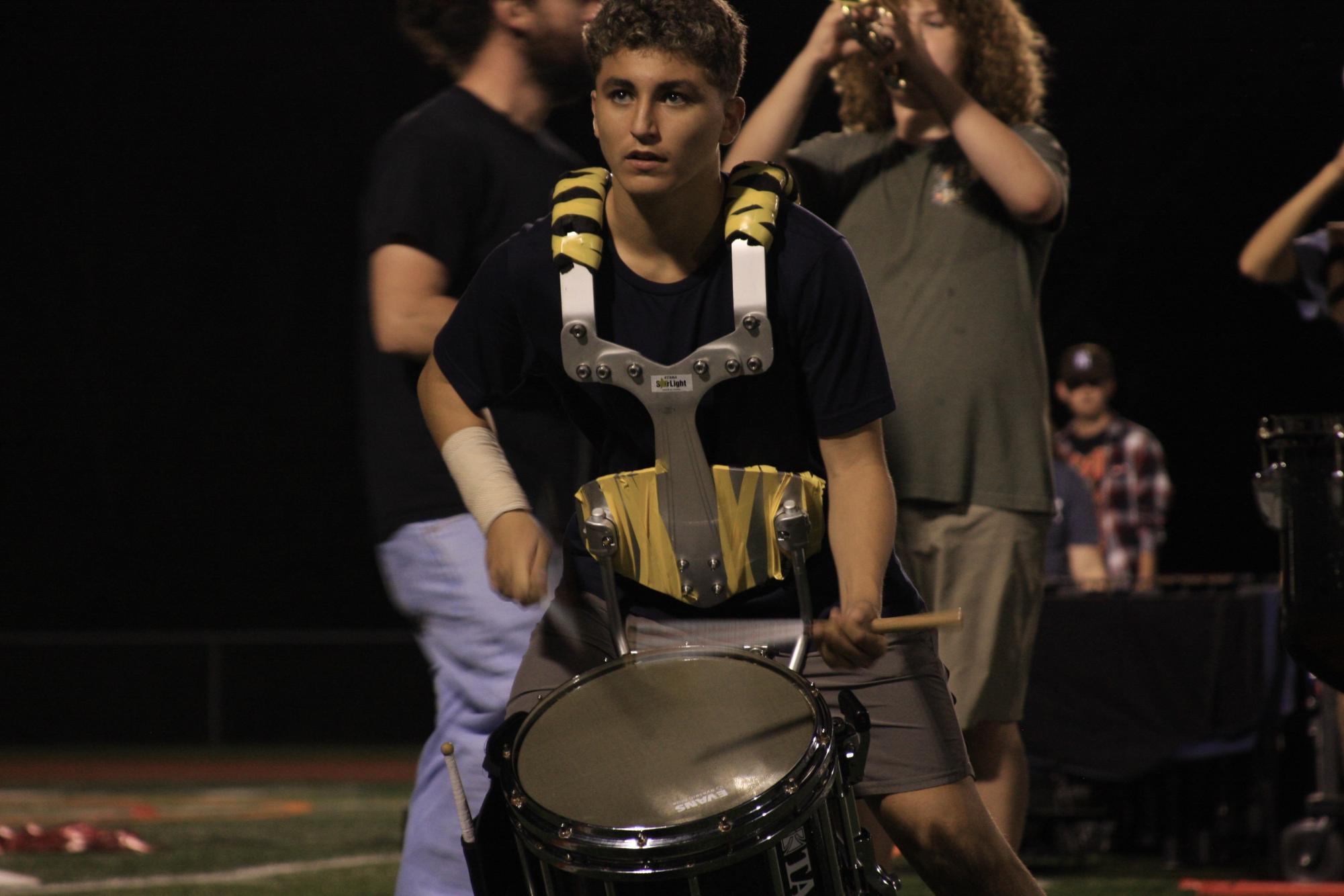
Once the football team has vacated the field, the Golden Regiment takes it. As the front ensemble sets up, battery captain Kai Osaki counts off the cadence on his snare. Marching in time, the band moves until they reach midfield, where Sliver stops the band, and they spread out to their pre-show positions.
Sliver then walks to the drum major’s podium, where she turns and salutes to the home stands. Turning to face the band, she commences the show.
The show runs for about eight minutes. After the final notes are played, Osaki counts off the cadence again. The band forms ordered lines and marches off the field. As the rest of the band leaves, the front ensemble pushes equipment off the field.
After all the equipment is off the field, the band walks to the snack shack, and is provided dinner by the Performing Arts Boosters. Once the fourth quarter begins, the band is back in the stands, playing once again.
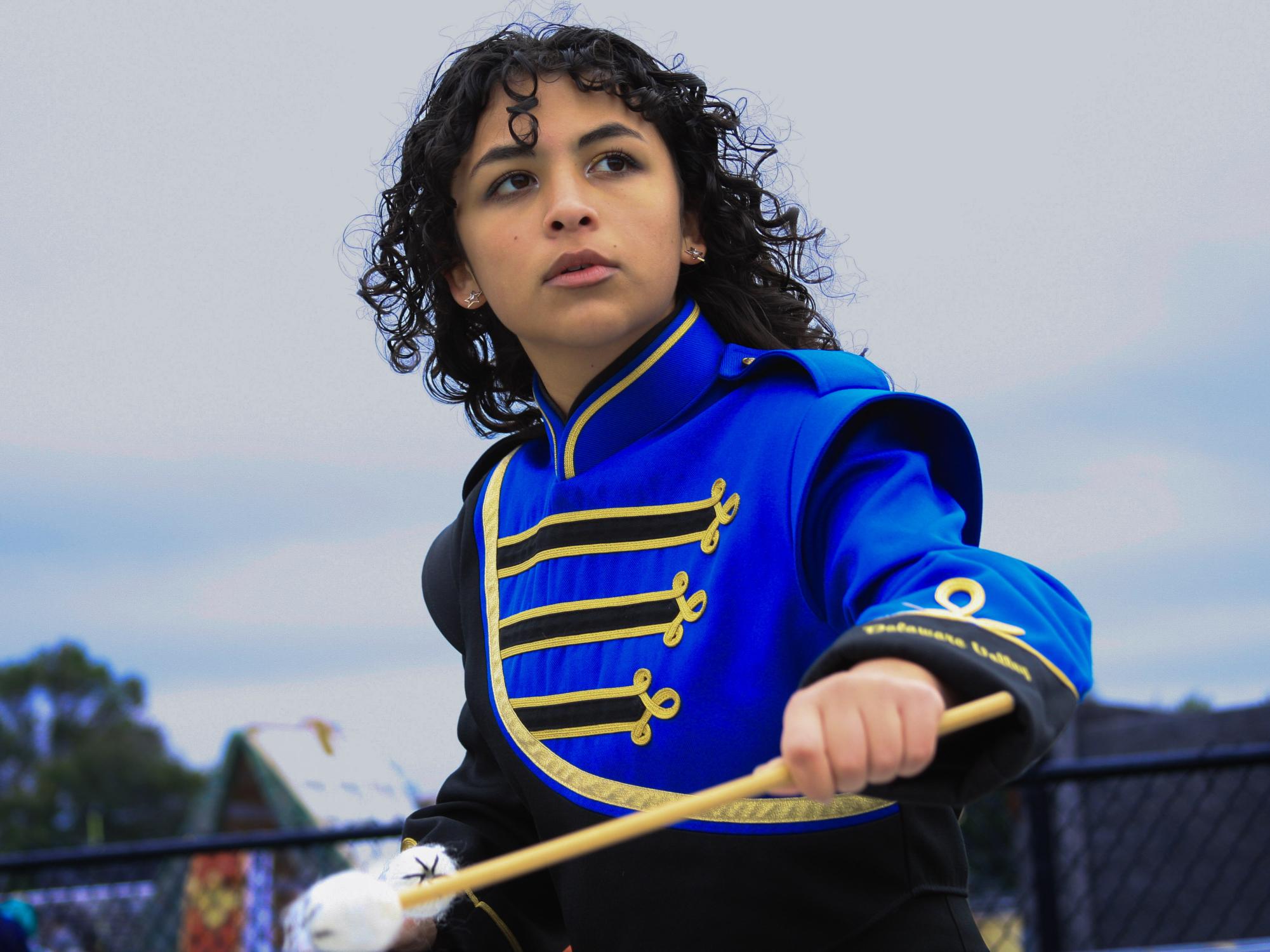
Saturday rehearsals begin early in the morning for the band. At 8:30 a.m. the rehearsal begin with the band stretching and running. Often, they will practice marching techniques as well.
After warming up, the band runs parts of their show, and then does a full run. After their full run, the trailer is loaded and the band walks up to each lunch, provided by the Performing Arts Boosters.
After lunch, the band gets into their uniforms, and then loads onto the bus. Wind players bring their instruments onto the bus as the battery brings their harnesses for their drums on the bus as well. The drives to competitions can be anywhere from thirty minutes to two hours.
Once the band arrives at the competition site, members disembark, and unload the trailer with parent volunteers. After the trailer is unloaded, band members warm up at a designated rehearsal spot. Each section warms up separately.
At the same time, the scenic pieces, displaying the forest, are set up. Each front ensemble instrument in the front row gets a front covering with a brick pattern.
Shortly before the band leaves the rehearsal spot, the band does a full run of their show at a standstill.
Five minutes before their slot to perform, the front ensemble walks onto the track surrounding the field. The marchers stand by the end zone. All performers face away from the performing group, as a gesture of respect as well as superstition. This is to prevent second-guessing of their own show.
A competition performance is nearly identical to a halftime performance. The only major difference is time constraints. USBands, the competition circuit Del Val participates in, limits total time on the field to fifteen minutes – that includes load-in, performance, and load-out. Going overtime lowers the band’s score. At states, that time is cut to twelve minutes. This drives a higher sense of urgency on the field, as the bands compete against each other and the clock as well.
After the performance is done, the band returns to the buses. Performers get out of uniform, and into their show shirt, so that they may be identified from other schools. After, the band walks to the visitor stands, where they watch the other bands perform.
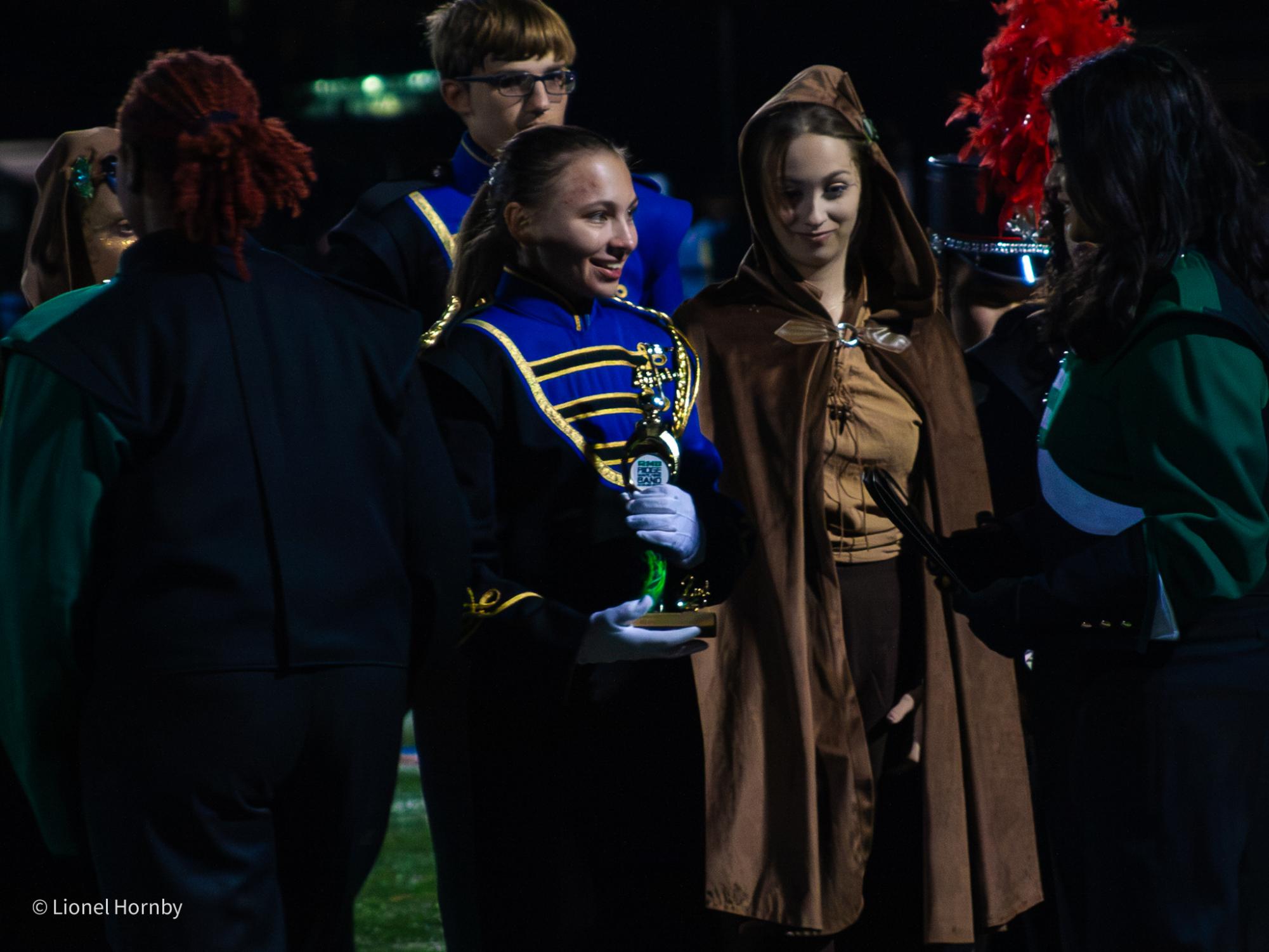
Once all the bands have finished performing, the host band performs and the band stands to respect the band that hosted them. This is referred to as the exhibition performance, and their score does not count for awards. Once the host band is done, the bands wait in suspense as scores are calculated. However, the noise from the bands rises. Bands begin to chant and cheer. Waves will form, and run across the bleachers. A sense of pride and comradery builds among the students, as they wait for scores to be announced. Competition manifests as pride and energy. While the bands show their spirit, the drum majors and captains walk onto the field to receive awards.
Inside the classes, scores are announced starting with Group I bands, then working up to Group V. The lowest score is announced first. After the score, placement, and caption awards are announced, the school’s name is given. As each band’s score is announced, the bands and spectators cheer and shout.
Once all scores have been given, drum majors and captains return to their bands, trophies in hand. Band members get out of their seats, and cheer for their captains as they walk back to the stands.
The band marches back to the buses. Now the cheering and chanting is replaced with tired silence. Once the band gets back to the buses, it is often well past 8p.m.. Many bus rides back to the school are silent and filled with naps.
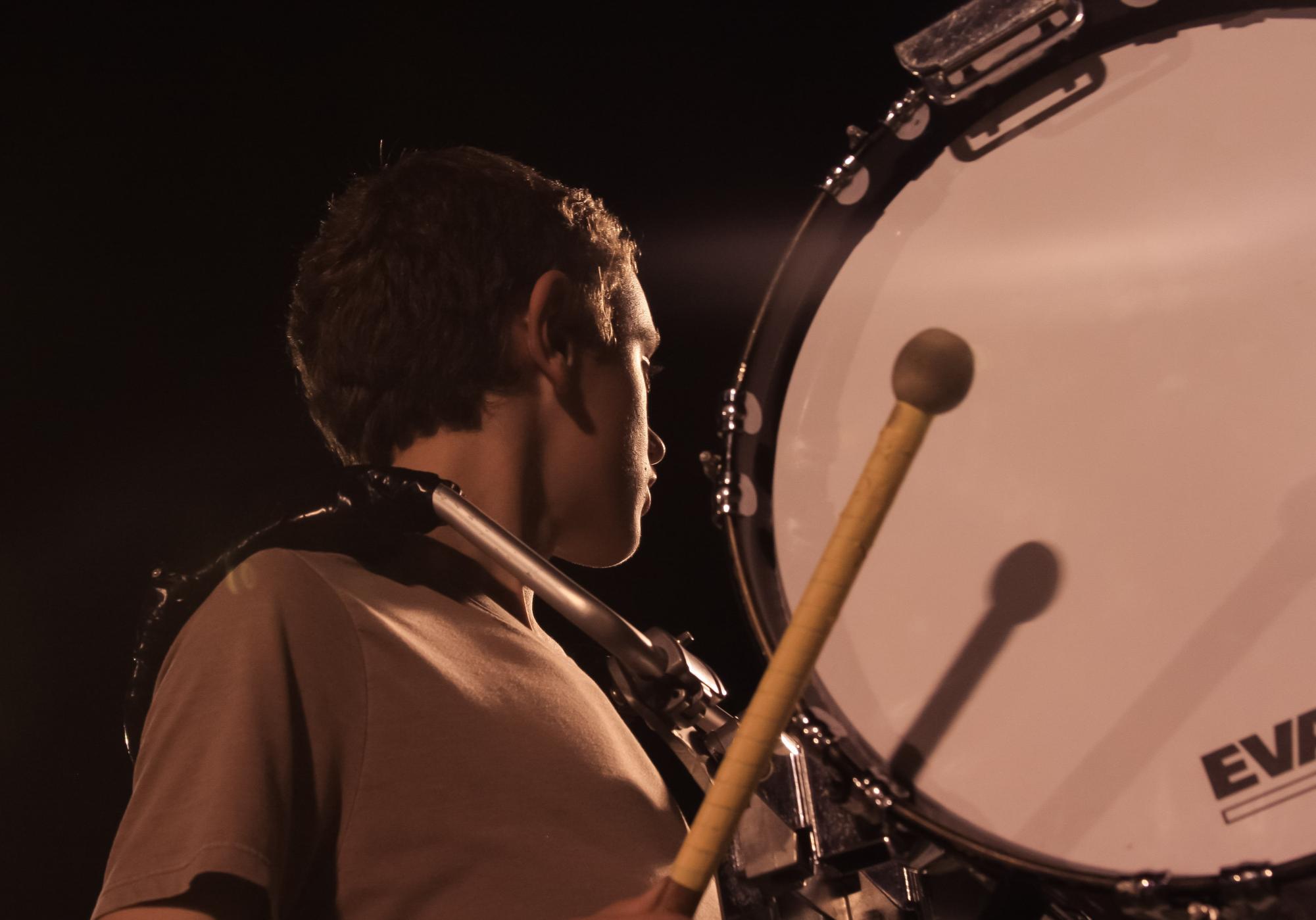
This year’s scores are promising compared to previous years. The high score record of 90 set in 2024 for the show The Hunt on Bald Mountain has not been broken yet. Current predictions place Del Val at a score of 88.9, 2.8 points above 2024’s show, The Hunt on Bald Mountain , which scored an 86.1 at a state level. Last year’s show Artworks scored a 82.2 at state competitions.
Hayden attributed this to the student leaders.
“I’m giving all of the credit to my team of student leaders, right? They have established a culture of positivity, and a desire to work hard.” Hayden said. “That doesn’t come naturally, and if you’re not immediately seeing results can be very discouraging. But we have a really positive culture. People are putting in work.”
This weekend will be the last scored performance of Marian: The Ladyhood of Sherwood Forest.
The last time the Golden Regiment won the state championship was in 2017. In 2025, the Golden Regiment was the fifth seed, and in 2024, they were the third seed. This year, the Golden Regiment is the second seed. At USBands state competitions, the bottom seeds perform first, and the top seed performs last.
This year, the NJ Group 2A State Championships are held at Mount Olive High School, in Mount Olive, New Jersey. Tickets can be purchased here.
Using promotional code “delvally26” at the online checkout, a portion of each ticket sale will be returned to the Golden Regiment marching band, to cover registration costs.
All details, including the schedule, cane be found here.
-
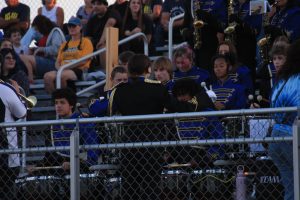
The Golden Regiment performs music in the stands at a football game.
-
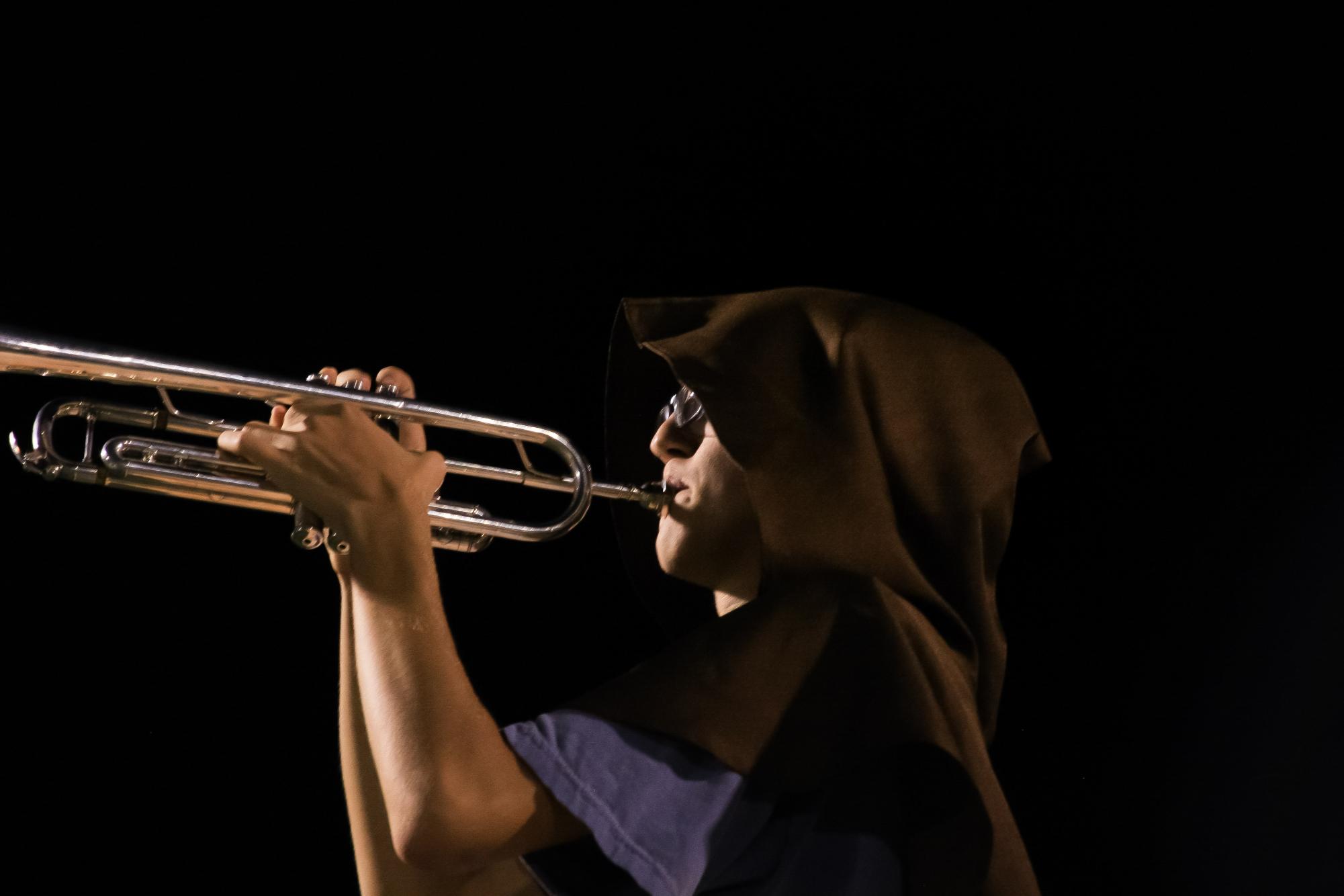
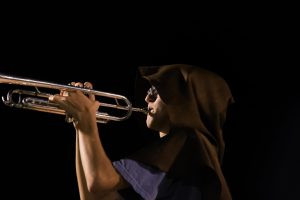
Brass section leader and soloist Tyler Crowl performs his solo at the beginning of the show during a rehearsal.
-
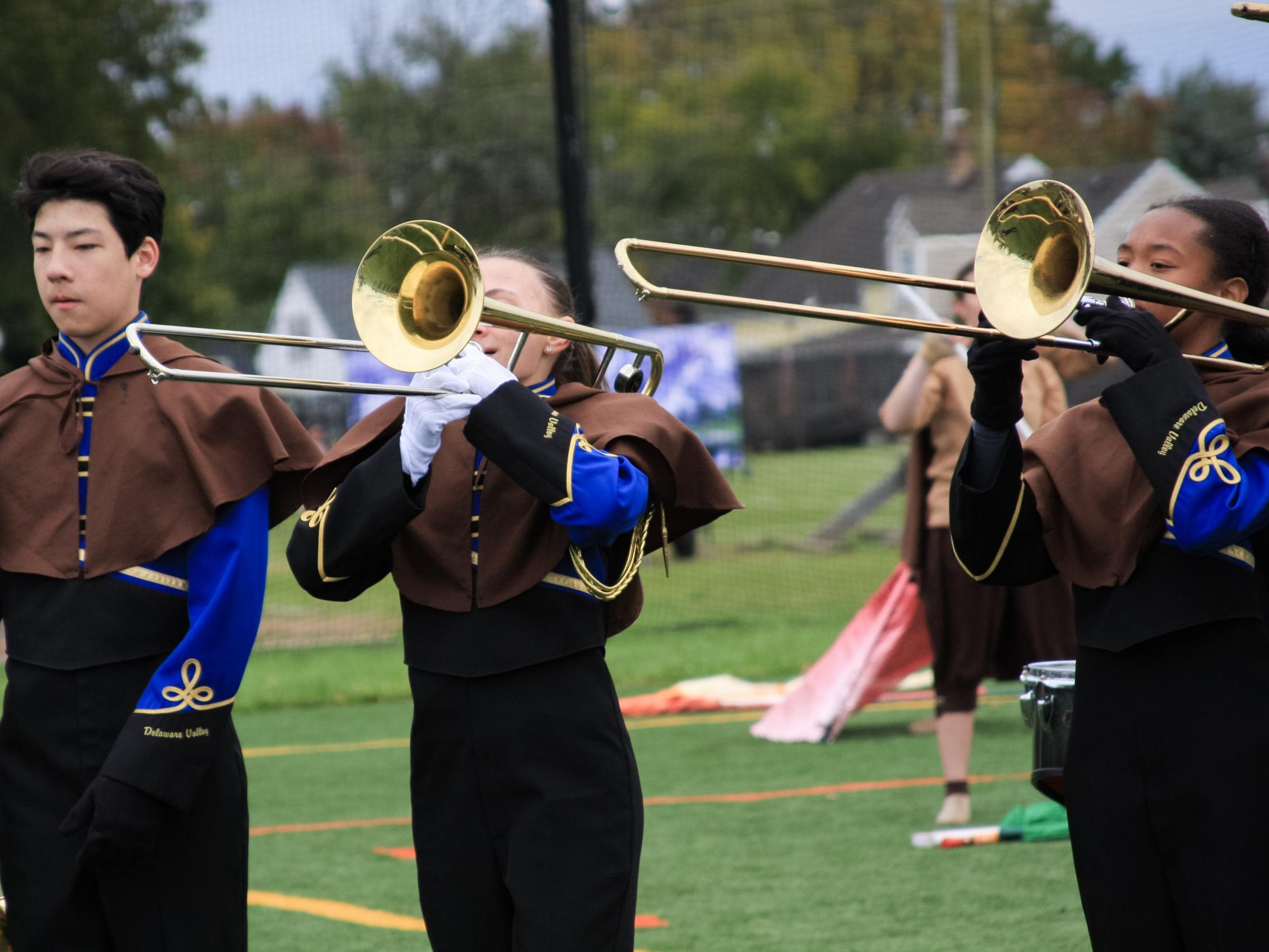
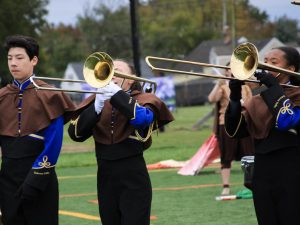
Trombone players Maya Sliver and Brianna Ferguson, as well as trumpet player Douglas Applegate, warm up before a competition.
-
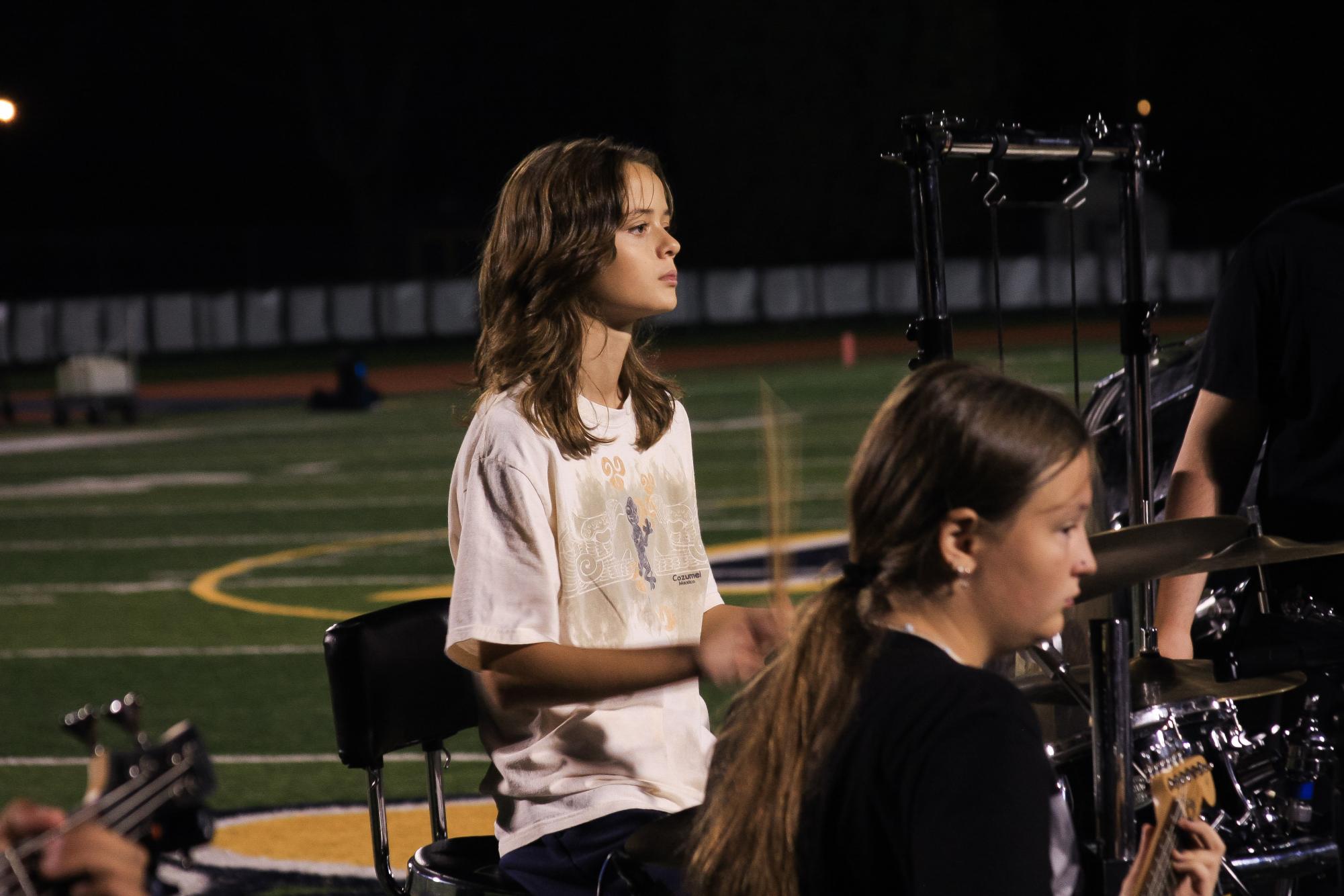
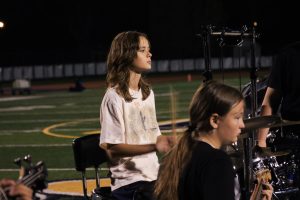
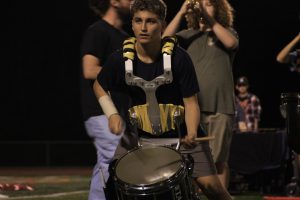
Eighth grader Jordyn Weate plays the drum kit during a rehearsal.
-
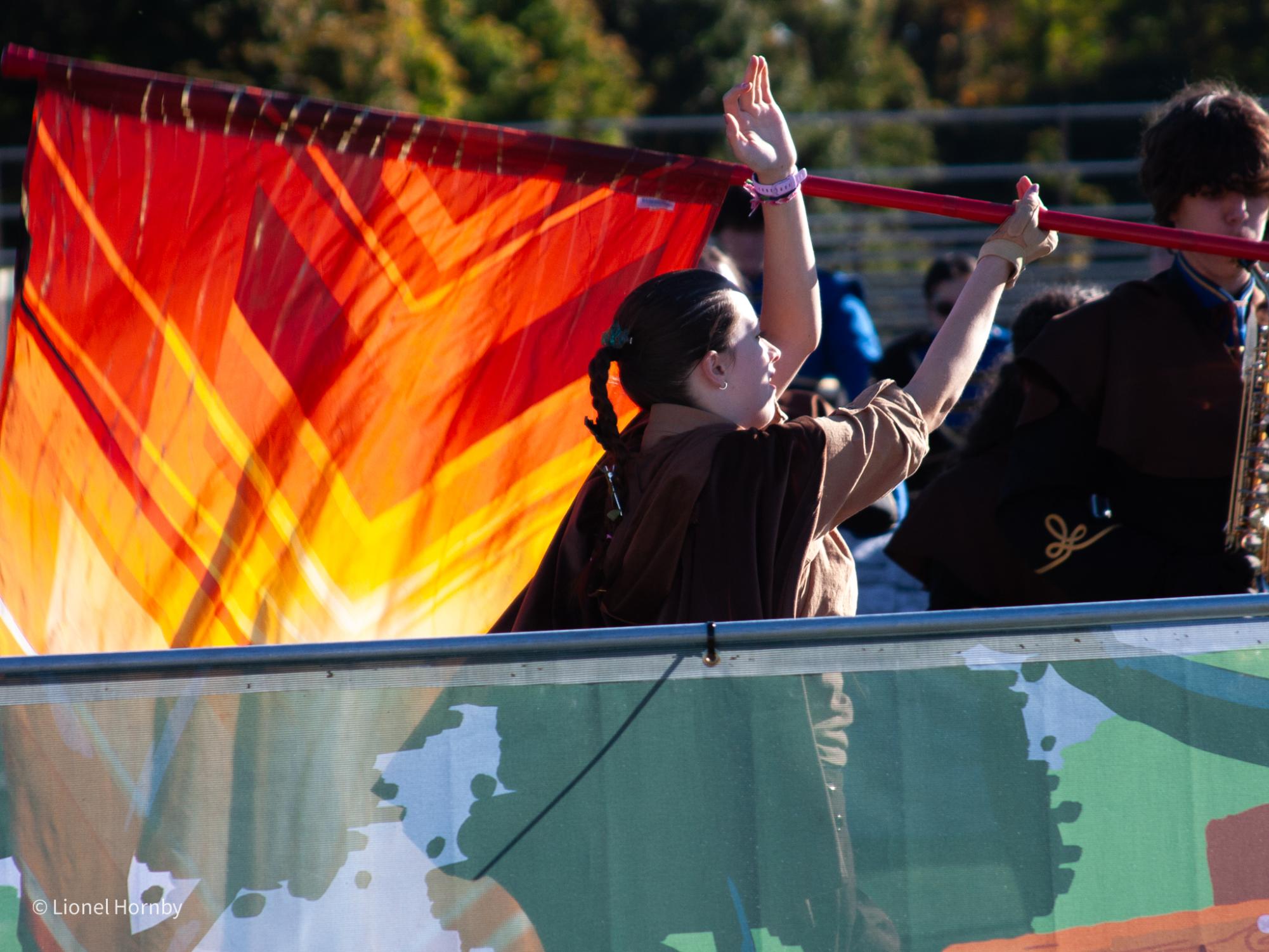
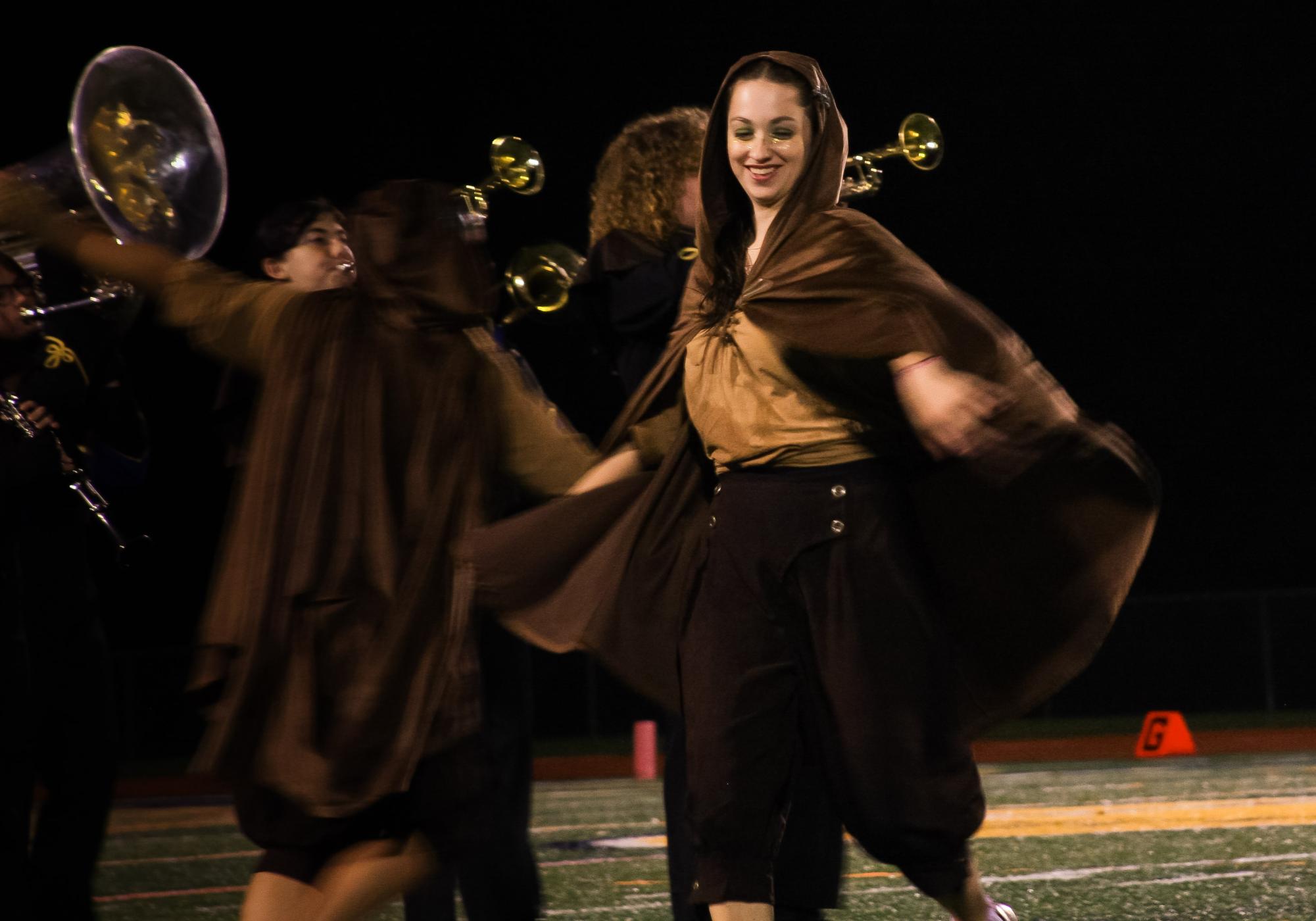
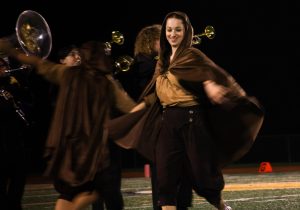
Color guard captain Kelly Torley performs during halftime at a football game.
-
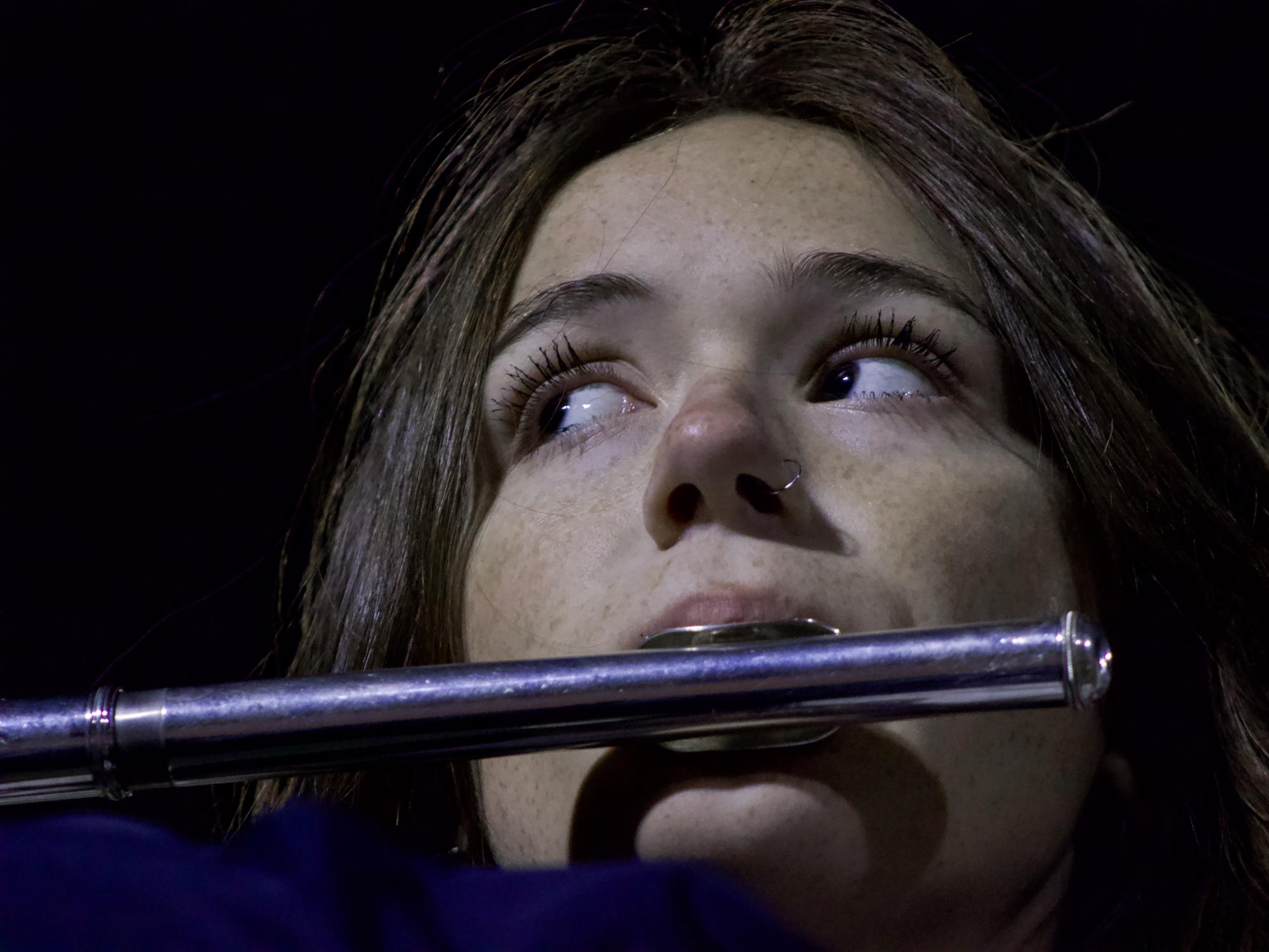
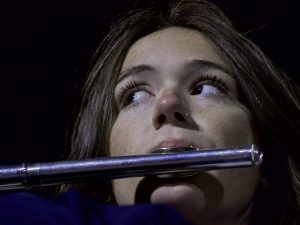
Woodwind section leader and flute soloist Charlotte Lily performs her solo during a rehearsal.
-
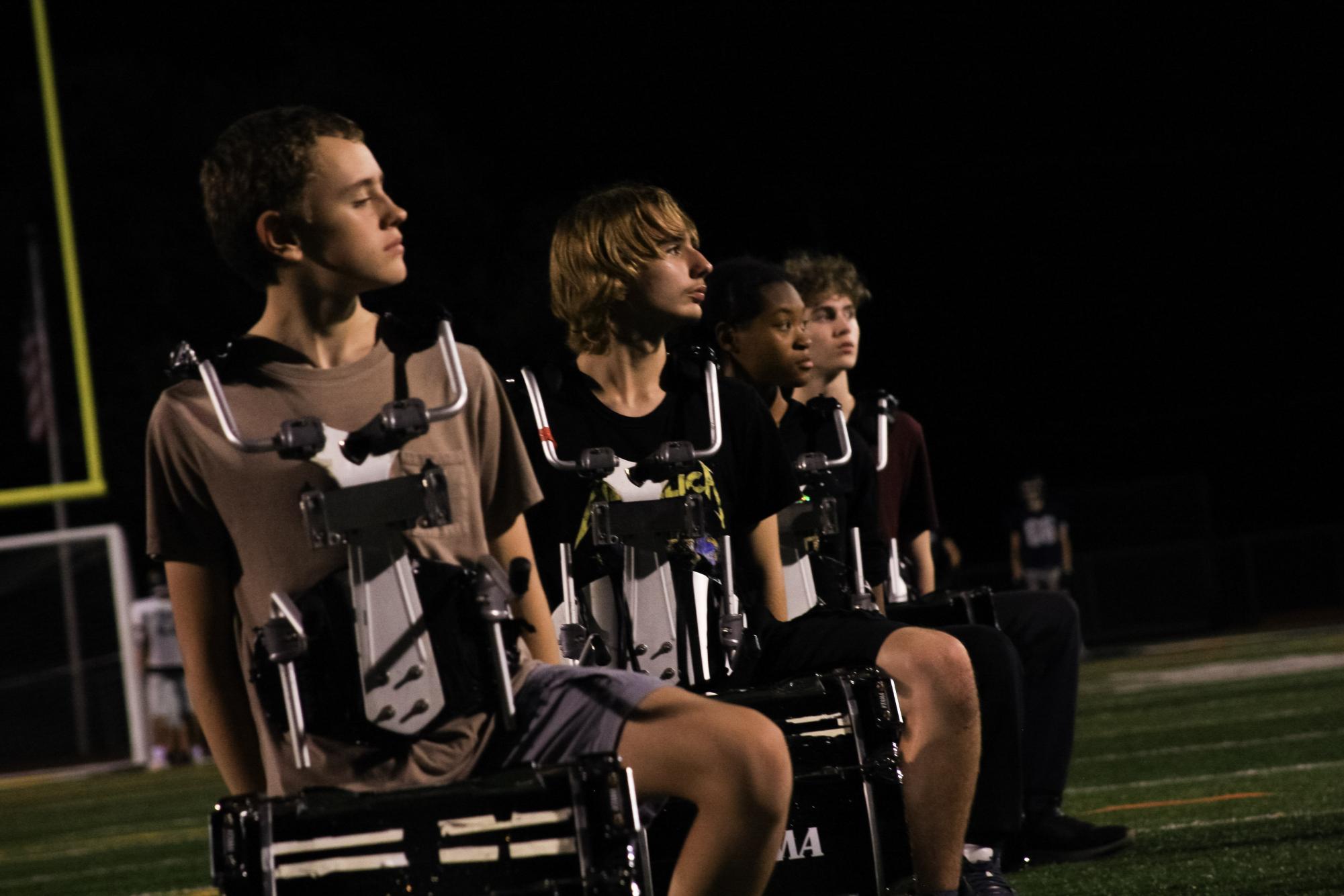
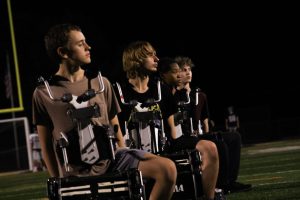
The Battery of the Golden Regiment waits at attention before a full run of the show.
-
Drum major Maya Sliver conducts the band as they play in the stands.
-
Battery section leader Kai Osaki performs his snare solo during a rehearsal.
-
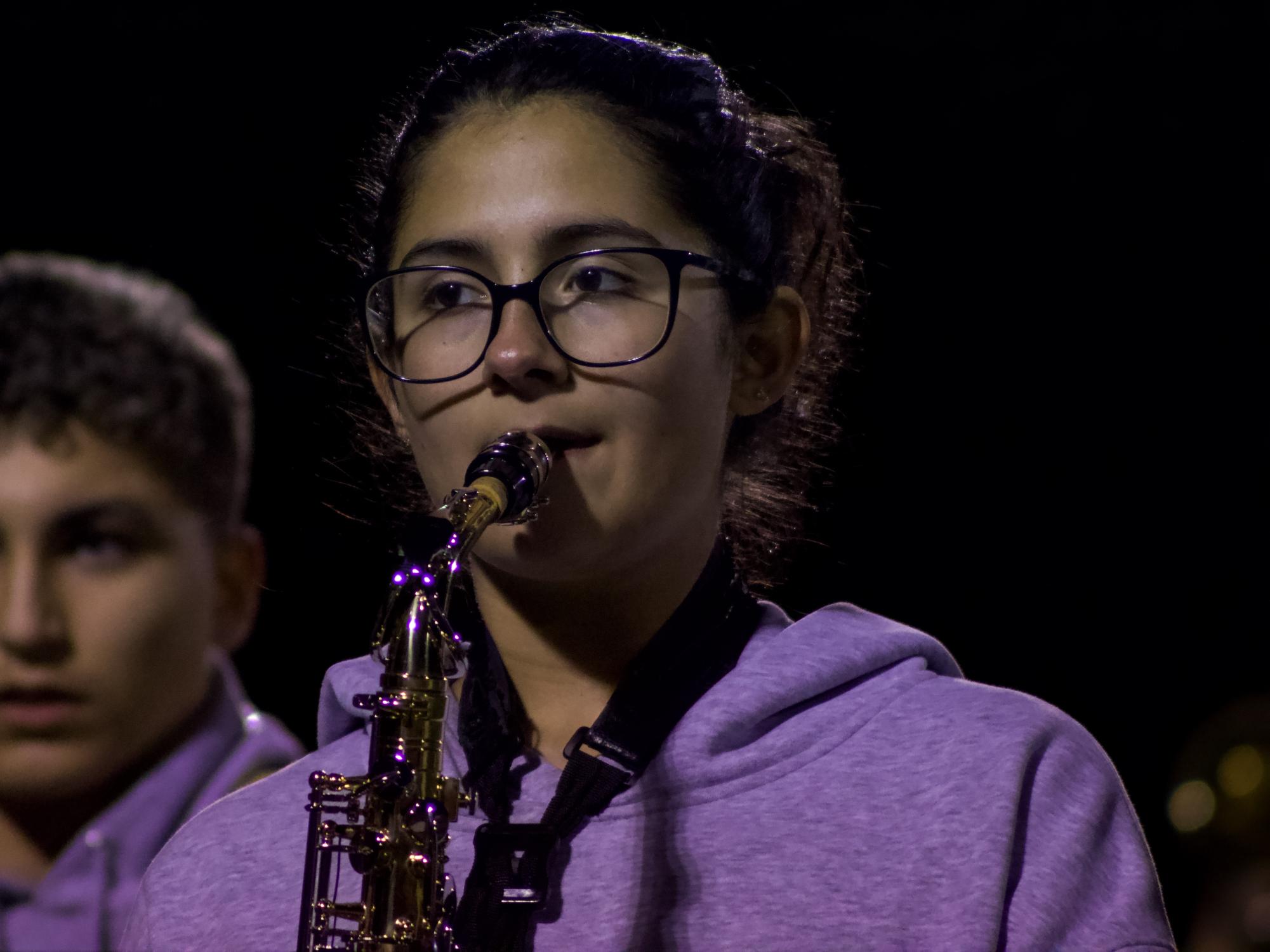
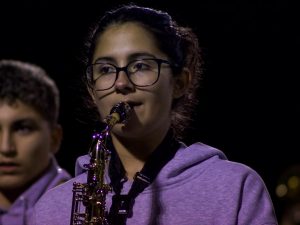
Sophomore Mia Domingo plays the saxophone during a rehearsal.
Your donation will support the student journalists of Delaware Valley Regional High School. Your contribution will allow us to attend conventions, purchase equipment and cover our annual website hosting costs.