The controversy of banning books has been an ongoing debate throughout the United States for years, and, within the last year, it has navigated its way into Hunterdon County.
“We’ve had a few local ones [book challenges and bannings] — North Hunterdon and Bucks County to be specific,” Del Val media center specialist Tracy Miceli said.
Its relevance to citizens has grown in recent times, as the popularity of book banning is currently on the rise, as seen by recent book challenges at North Hunterdon High School.
“According to a recent report by PEN American, no living American has experienced this level of book banning,” North Hunterdon High School librarian Martha Hickson said.
The recent prevalence has roused many voices on the topic, advocating for and against challenging and banning. While anyone can challenge a book, the process taken to see whether it’s worthy of a ban is not as simple.
“So usually it starts off as a challenge,” Miceli said. “Whether it’s a student, a parent [or] a community member, [they] can come to a school district and raise concerns about a particular book…and then from there, there should be a committee of people who assemble. They read the book, have conversations about the book [and] what they feel the educational merit of the book is. Then, they decide whether the book is pulled or banned from the shelves.”
Although, according to Hickson’s personal experience, people don’t always follow the full protocol.
“Unfortunately, in many districts, including North Hunterdon where I worked as a high school librarian, those policies and processes are ignored by the complaints and administrators,” Hickson said.
This topic raises a major question: does book banning violate the First Amendment? It also presents questions about the reasoning behind specific book bans and their validity.
Many topics such as LGBTQ+ rights, religion, profanity and violence cause people to challenge books, creating conflict among readers and citizens.
“Book banning is clearly a violation of the First Amendment, which guarantees the right of free expression without government interference,” Hickson said. “Receiving information — in other words, reading — is part of free expression.”
Miceli also holds a similar view on the topic.
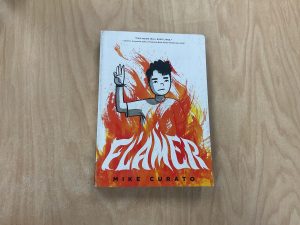
“I don’t ever force books on students,” Miceli said. “This is free choice here. You pick what you want….If you’re restricting that ability for them to read things that they enjoy, you’re also restricting the flow, the flow of information to students…[and] restricting their ability to become better readers and stronger readers and more fluent readers.”
According to librarians, although some challenged books can have adverse effects, in most cases, the positives of these books vastly outweigh the negatives.
“There are a lot of terrible things that happen to kids growing up,” Miceli said. “Sometimes a fiction book speaks to them and comforts them and lets them know that they’re okay and they will get through that situation. So, I feel restricting those things from kids…it’s preventing them from maturing; it’s preventing them from learning.”
When books depict harsh realities, they can show students that they are not isolated in their experiences.
“Reading about those situations in the safety of a book can help readers understand how abuse happens and that they aren’t alone,” Hickson said. “In other words, reading can be the very protection that students need, while withholding information can be dangerous.”
Books are available to everyone, and libraries are intended for the public’s access to information and stories. Many librarians don’t believe books should be barred from anyone.
“Everybody likes different genres,” Miceli said. “Everybody wants to read different stuff…. My job is to not restrict the flow of information, but to encourage students to read what they’re interested in.”
In some situations, book banning can escalate and result in violence when there is dissension regarding a decision. Hickson has defended books that were challenged and endured the backlash of those decisions.
“Despite the successful outcome, the experience was harrowing,” Hickson said. “The people who initiated the challenges publicly labeled me a ‘pornographer, pedophile and groomer of children.’ They tried to have me arrested by the Clinton Township Police and the Hunterdon County Prosecutor. I received hate mail from around the country at my school address. My car was vandalized. And, I continue to be trolled online to this day.”
An interesting metric about book challenging and banning is the demographic that raises the most objections. While books are most frequently banned within schools, its uncommon to see complaints come from staff or students. As book banning becomes more ubiquitous, it is important to consider whom the bans are intended to protect.
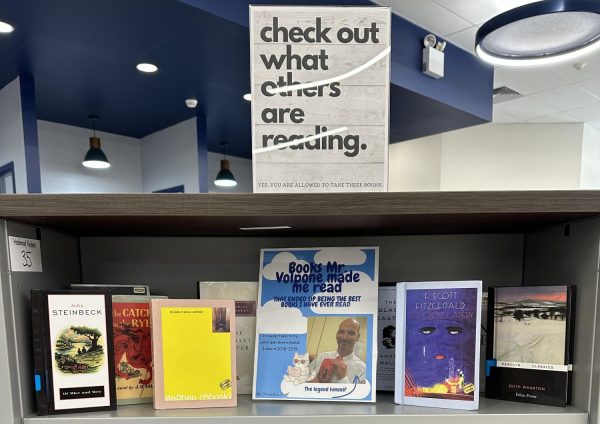
“It’s almost always adults – often adults who don’t even live in the district – demanding book removals,” Hickson said. “Students aren’t afraid of libraries or controversial topics.”
Everyone has differing opinions and wouldn’t agree on what should or should not be available to others. That is exactly why the First Amendment is so crucial. Librarians, especially in Hunterdon County high schools, ultimately believe that it is within one’s own jurisdiction to decide which books they wish to read.
“Books come with these great things called covers,” Hickson said.” If you don’t like a book, don’t read it, just close the cover. Your individual discomfort does not give you license to infringe on the rights of others.”
For more information about book banning in America, visit the American Library Association.