With millions of subscribers on YouTube, channels like Troom Troom and 5-Minute Crafts have been at the forefront of entertainment for years.
With colorful thumbnails and titles that kids are likely to click, these channels go out of their way to appeal to young audiences.
While many of these life hacks seem harmless, some of them involve materials or processes that kids might not realize are actually harmful and may have serious consequences or effects.
These companies are at the forefront of children’s YouTube entertainment; however, most people know little about the people approving and publishing these videos.
5-Minute Crafts is owned by TheSoul Group, while Troom Troom is controlled by Unicorn Media, which is owned by Brightcove. Brightcove was recently acquired by a content creation company, Bending Spoons. Bending Spoons is owned by Luca Ferrari, Matteo Danieli, Luca Querella and Francesco Patarnello.
Bending Spoons’ mission statement uses words like accuracy, logic and rationality, while TheSoul Group says to “interact as transparently as possible and share information openly.”
Nothing about the majority of their crafts is accurate, logical or rational, nor are these companies transparent with their audiences about the usefulness of these crafts or the risks.
The non-transparency of these companies shows that the disconnect from the corporations to the audience, is apparent and really shows the self-awareness that this industry lacks.
For those concerned that there are no warnings on these videos, there is a warning: deep in the description. However, the target audience for these channels is not reading descriptions and seeing the warning.
Many of these life hacks include materials that young children shouldn’t be touching, such as hot glue guns, knives, lighters, power tools and harsh chemicals, like acetone or resin. The improper usage of these materials can result in severe injuries and even potentially death in some cases.
A girl in China died from attempting to recreate these sorts of life hacks, showing how kids will blindly follow these crafts without much thought.
Kids are easily influenced and don’t think about the risks of using hot, sharp or noxious materials. By not putting the warning at the beginning, where kids will see it, kids assume these life hacks are safe for them to recreate.
While 5-Minute Crafts and similar channels will never stop these videos, the least they can do is warn their audiences of potential harm or injury for a few seconds at the beginning of their videos. It doesn’t hurt them to put some sort of parental discretion, and it has the potential to spare their audience a lot of injury.
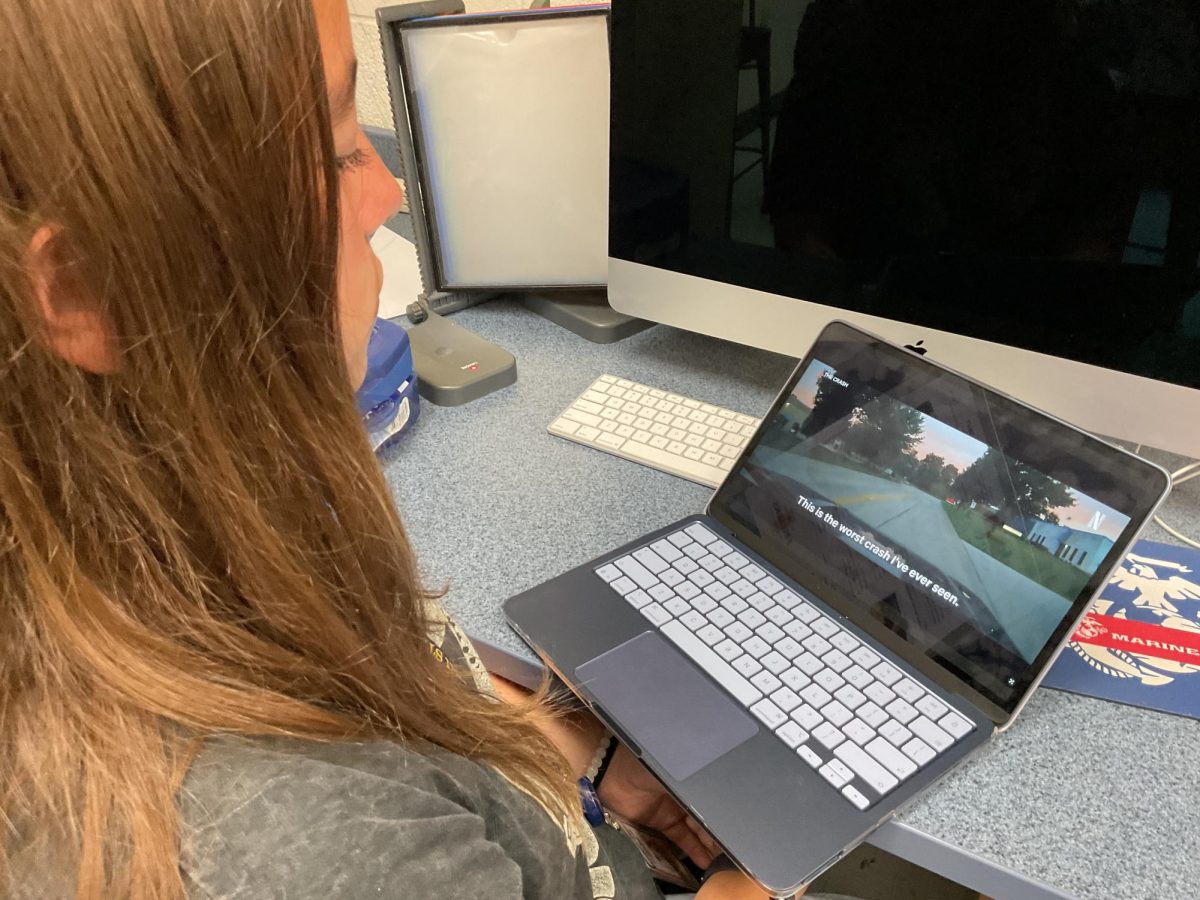
While 5-Minute Crafts’ main audience is children, Del Val students watch the hacks too.
Though Del Val has mixed opinions on the appropriateness of the life hacks on young children, this does not change the disservice these hacks have the potential to do on children.
The appeal of these channels often seems positive, but when you inspect them, it’s really not what it seems. In the end, the companies really only care about producing content. But many times the content is extremely misleading or very repetitive, which proves the idea that these companies only care about making money and not so much the quality.
Through various hacks and tips these channels take viewers through, the content holds an element of wow factor. These compilation-style videos with numerous short clips stitched together promise helpful hacks. But in reality, many videos often cut randomly and repeat similar clips, which don’t provide any real helpful tips. Which falls short compared to what is seemingly teased in the description and thumbnail.
So, not only are 5-Minute Crafts using their platform for money and views, but they’re also scamming their viewers by providing a false narrative of what their content really holds.
Channels such as 5-Minute Crafts and Troom Troom seem to do more harm than good. Through the years, these channels not only influence younger generations while promoting harmful material, but they also provide false information.
While teens and adults are most likely not to be harmed by the stupidity hosted in these videos, young kids can’t always differentiate between what’s harmful and what’s not.
The danger has been proven with deaths, injury and harm being afflicted on people trying these hacks out themselves. The carelessness and disrespect from these channels that’s only care about revenue is rubbing off on the wrong people. Only time will tell what it take for companies to stop producing this harmful material.