

Think of what makes you happiest at school; whether it’s a sport, club, class or a group of people, what would happen if someone took that away? For many students, this is becoming a reality.
Across the country, many school districts have been struggling with education budget cuts, forcing schools to shut down programs that students love. In New Jersey, ever since the S2 Senate Bill was passed in 2018, schools keep losing a tremendous amount of funding. The S2 Senate Bill “modifies school funding law to eliminate adjustment aid and State aid growth limit; allows adjustment to tax levy growth limitation for certain school districts.” However, these adjustments have gone even further than some may have realized.
New Jersey’s Toms River Regional School District has raised their taxes to 22.2% in the past two years due to their lack of state funding. The district has also struggled with its state funding in the past, even protesting in Trenton for past governor Phil Murphy in 2019 to stop the funding cuts. Toms River and its taxpayers are not alone; schools and communities throughout the nation are experiencing a similar financial strain.
“The cost to run the school district hasn’t really increased very much over that time, because we can’t, but it is still impacting the taxpayers,” Del Val superintendent, Scott McKinney said. “They [the taxpayers] feel it. They are actually spending more every year and we’re getting the same thing.”
Many students are fortunate to have grown up with access to quality education, especially in a state like New Jersey, which ranks among the top in the nation. However, even in high-performing systems, not all students are affected equally against these cuts. Those with IEPs, 504 plans or other specialized needs who seek resources become victims to budget cuts. Paraprofessionals and aides—who provide critical, daily support for these students—are often the first positions removed.
Paraprofessionals and aides are the least paid staff members and sometimes the most important. They not only help the students who struggle most, but also step in to help whenever it is needed; even if it’s just to cover a class they’re not assigned to, their days are flexible to go where more people are needed.
Unfortunately, it’s not just the school buildings that these budget cuts have targeted. Since the beginning of the state funding cuts in 2008, as a direct effect, teachers continue to lose their jobs. Toms River Coordinator of Grants and Communication, Michael Kenny, said that in that time, “I think it’s more than 250 staff positions [have been cut at Toms River].”
According to local data, the budget impacts have become clearer for New Jersey. A significant portion of student funding comes from community taxes, and at the same time, state aid has decreased. For example, Del Val lost $2.7 million in state aid since the 2018-2019 school year. That loss has to be made up somehow; and often, it will be at the students’ and staff’s expense.
Considering these major effects, schools have been forced to adapt. Del Val director of curriculum and English supervisor, Tara Civitillo, has found cost saving measures, such as having having guest speakers visit the school instead of sending students on a bus with a chaperone and running certain classes every other year rather than annually. While these solutions help, they aren’t replacements for fully funded programs.
It’s easy to think “that won’t happen here,” but the truth is that it could happen anywhere; and it’s happening at Del Val. If funding sources continue shrink, even well-supported schools could face difficult choices. These choices could include higher taxes for families, redistricting students to different schools or reducing access to programs that define the student experience.
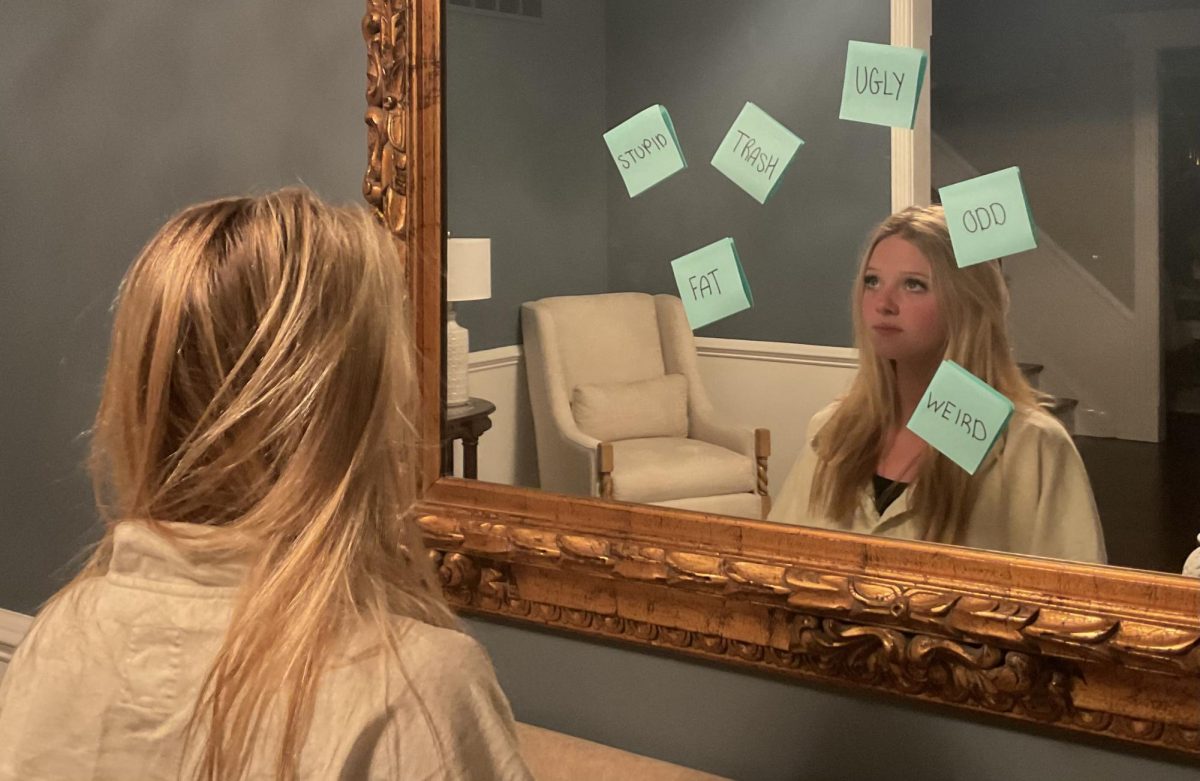
These cuts have real consequences: without mental health resources, students will lose vital support programs; without before and after-care, families will be faced with additional stress and financial strain; without basic funding, schools will struggle to provide essential services for their students.
Having access to sports, clubs and academics is something worth recognizing and protecting. Just because students currently have opportunities, this doesn’t mean they’re guaranteed; and it certainly doesn’t mean we should take them for granted. For students across the country, those opportunities are already disappearing. The states and federal government need to budget and pay more for schools so students and communities don’t have to.