














































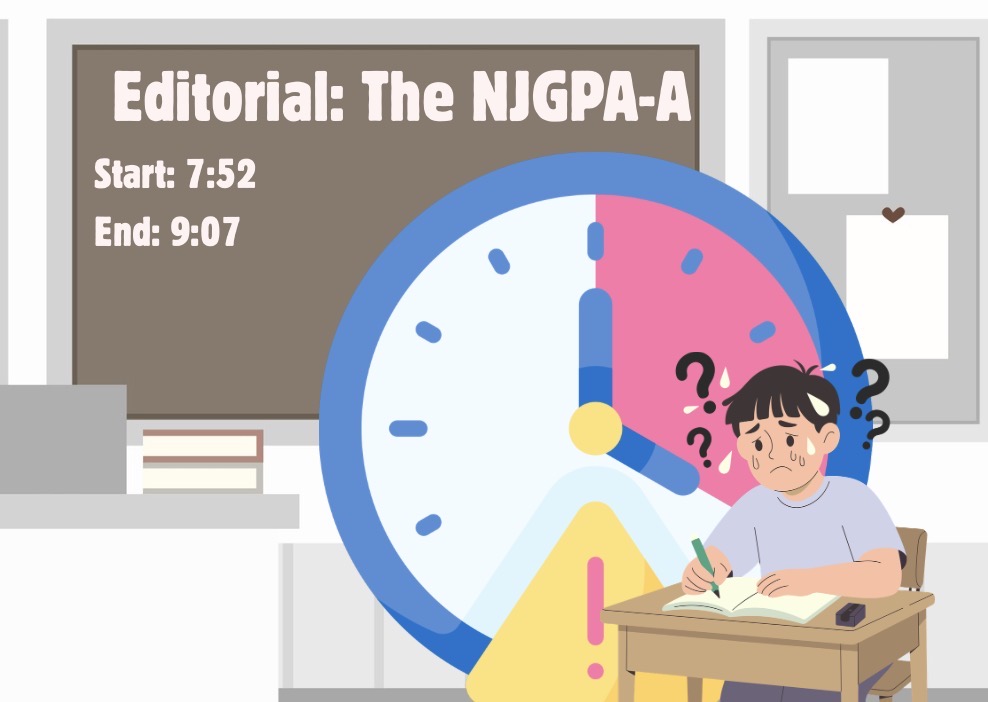
Sitting down at their assigned desks in the testing room, juniors taking the NJGPA-A were already at a disadvantage. Confusion mixed with stress filled the room as juniors hit the “begin test now” button for the test that would determine the fate of their graduation.
The NJGPA-A should not count for this year’s junior class. There were a multitude of issues surrounding the implemenatation and testing procedures, which gave this year’s juniors an unfair disadvantage.
When the exam turned adaptive, there was a field test conducted in the fall of 2025 that was supposed to prepare students and teachers about how the test would be administered. However, the field test was not an accurate representation of the actual test.
The structure of the NJGPA-A consisted of two 75-minute sessions with a 10-minute break in between those. Unlike previous standard tests that students had taken, such as the NJSLA or the PSAT, this test did not have multiple units. It was one set of questions for students to complete within the span of the two sessions.
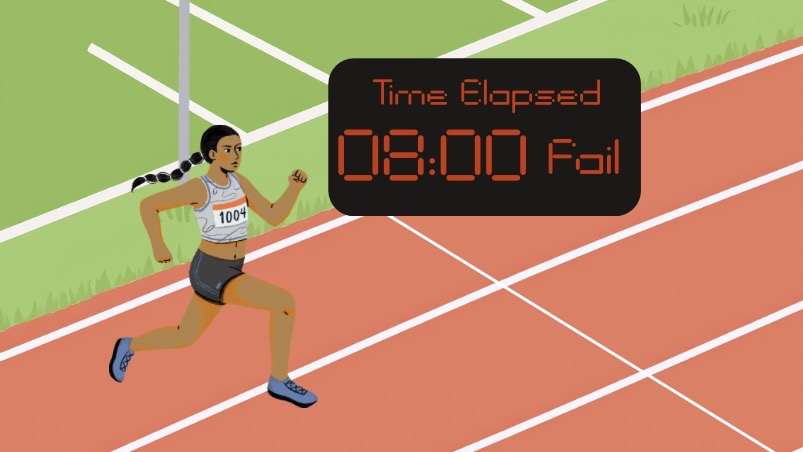
This testing structure was not used when running the field test. During the field test, students were given 150 minutes without a break to complete the English and math tests and 90 minutes for the writing portion. This brought immense confusion and pressure to students on the official test day when they were given a completely different set of instructions. The phrase “you will not be able to return to these questions after the break” was repeatedly stated in the instructions read out loud, in the beginning, middle and end of the first 75 minutes. This caused juniors to rush on the first day of testing, the English test, as they believed they needed to complete 100% of the questions before the break to move onto a second unit.
Along with this, the field test allowed students to move throughout the questions while the actual test did not. This was due to the adaptive format that was implemented. This defeats the purpose of bookmarking a question when unsure, something students have been taught to do on standardized tests, since it needs to be answered before moving forward and altering answers at the end can’t improve the outcome. One mistake early in the test could cost students a fair score since there was no way to leave and return to questions they’re unsure of.
Following these issues, an emergency junior class meeting was held where it was announced that the state would allow a retake for the English test. While this may seem like an easy fix, it only resolved the problem with the instructions. Students had difficulties with the tools in the math test as they were inconvenient and inefficient. The questions with “drag and drop” and graphing were ones that were complicated to use. During these assessments, teachers cannot answer questions or assist with any testing tools, leaving students to figure it out on their own, ultimately taking up more time.
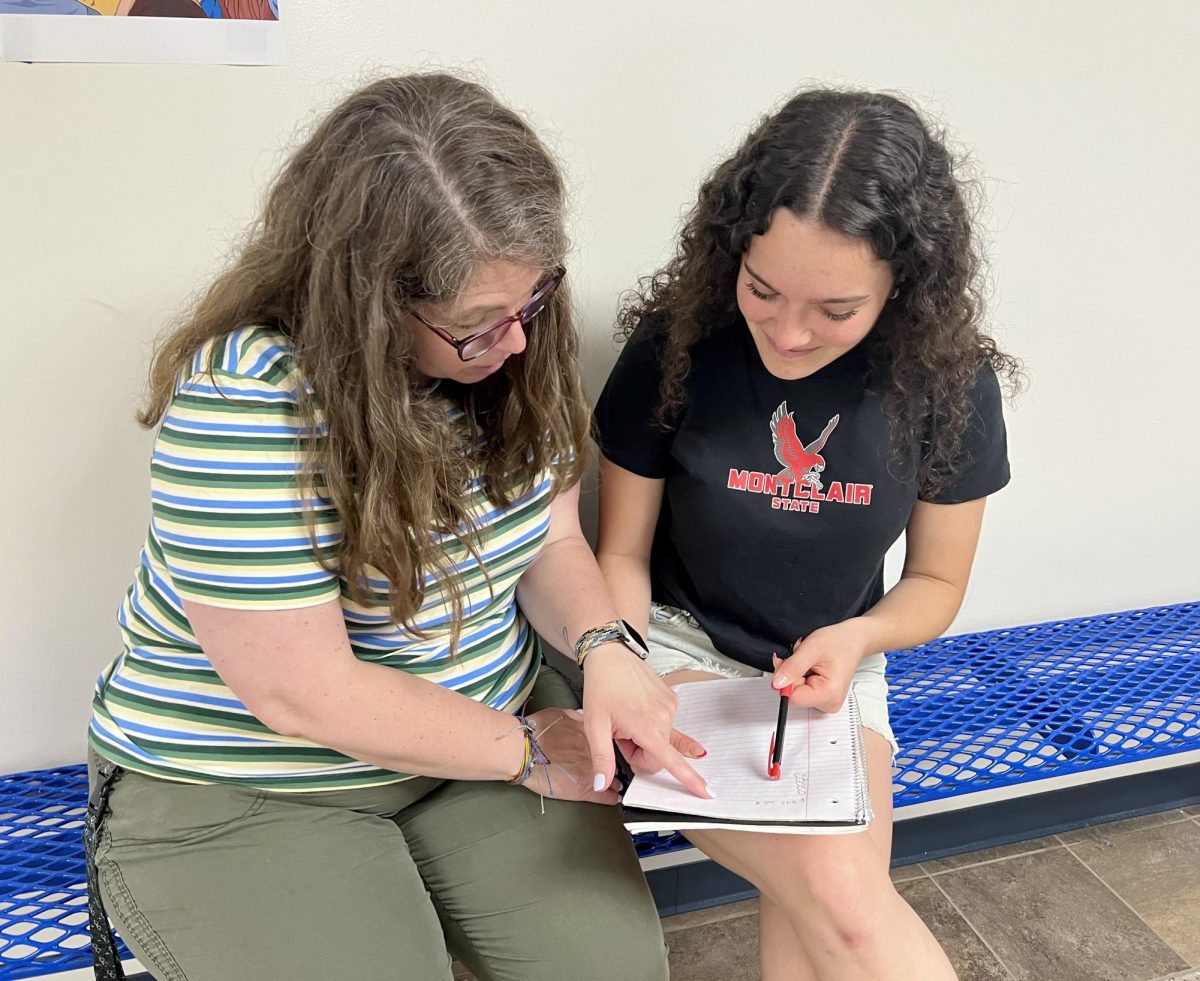
Unlike with other tests such as the SAT where a variety of practice tests and questions can be found to study, the NJGPA-A only has one practice test for the English and math sections. These questions did not include any of the tools that were hard to use for students to familiarize themselves with. For a test with such high stakes, the preparation was scarce and insufficient.
The NJGPA-A testing created a stressful environment and put juniors in an unfair predicament. Creating a test which can determine graduation eligibility without proper resources to prepare and confusing testing procedures is unjust. Offering retakes for sections was a step in the right direction, but still not enough. The state should utilize the scores from other tests that students have taken and been given a fair opportunity for, like the PSAT, for example. Next year’s junior class should be given more clarity on the context of the exam, testing process and what to expect.
The Editorial Board voted 8 in favor, 6 opposed and 4 abstained.