Skip to Content
Categories:

Students need New Voices now more than ever

Throughout the entire country, student voices are being stifled constantly, meaning their First Amendment rights are being taken away on a regular basis.
Doris Cruz Alvarado
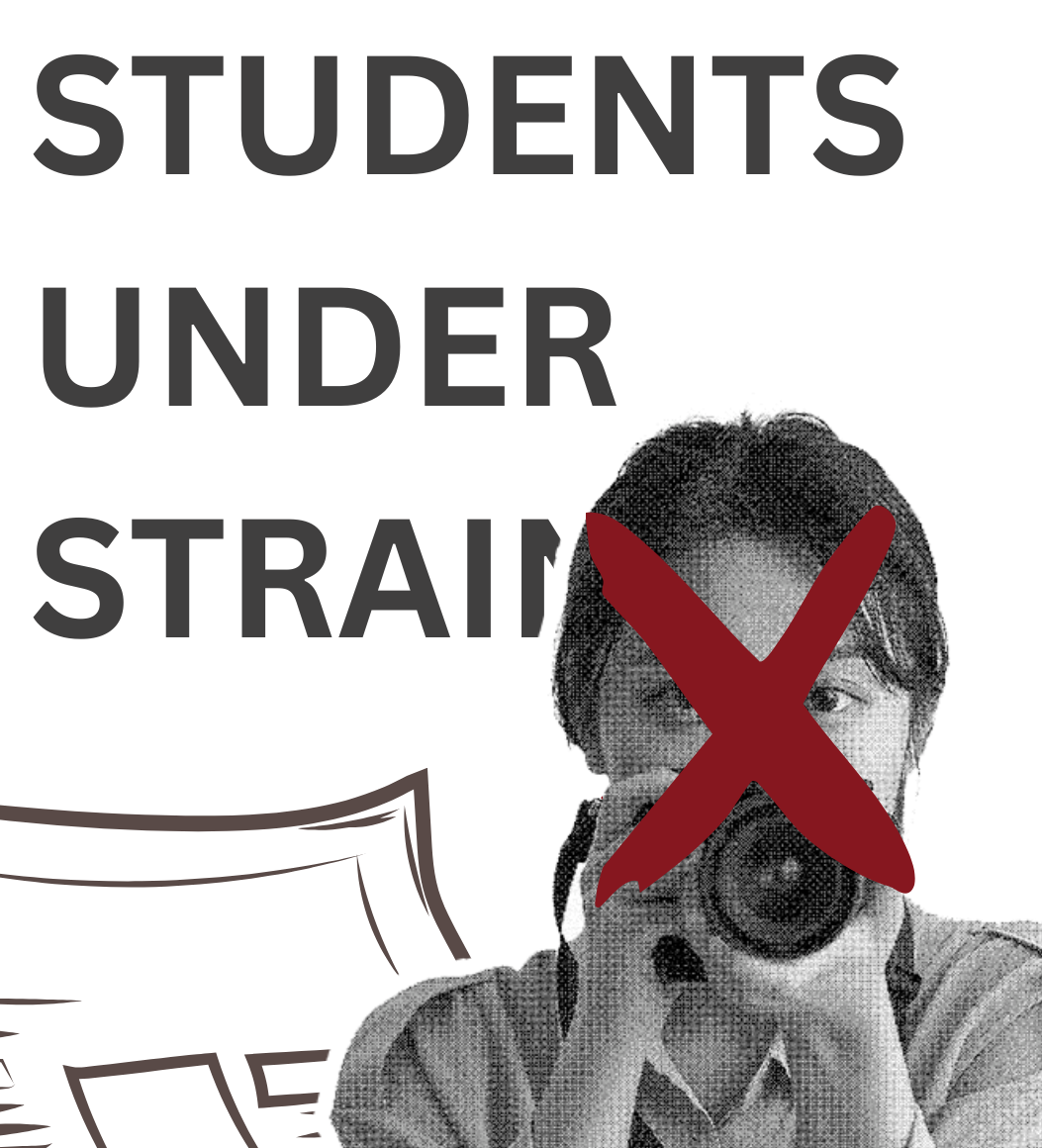
Student journalists across the United States are being censored by their school administrations, and the schools are getting away with it. New Voices legislation works to protects students and school journalism programs.
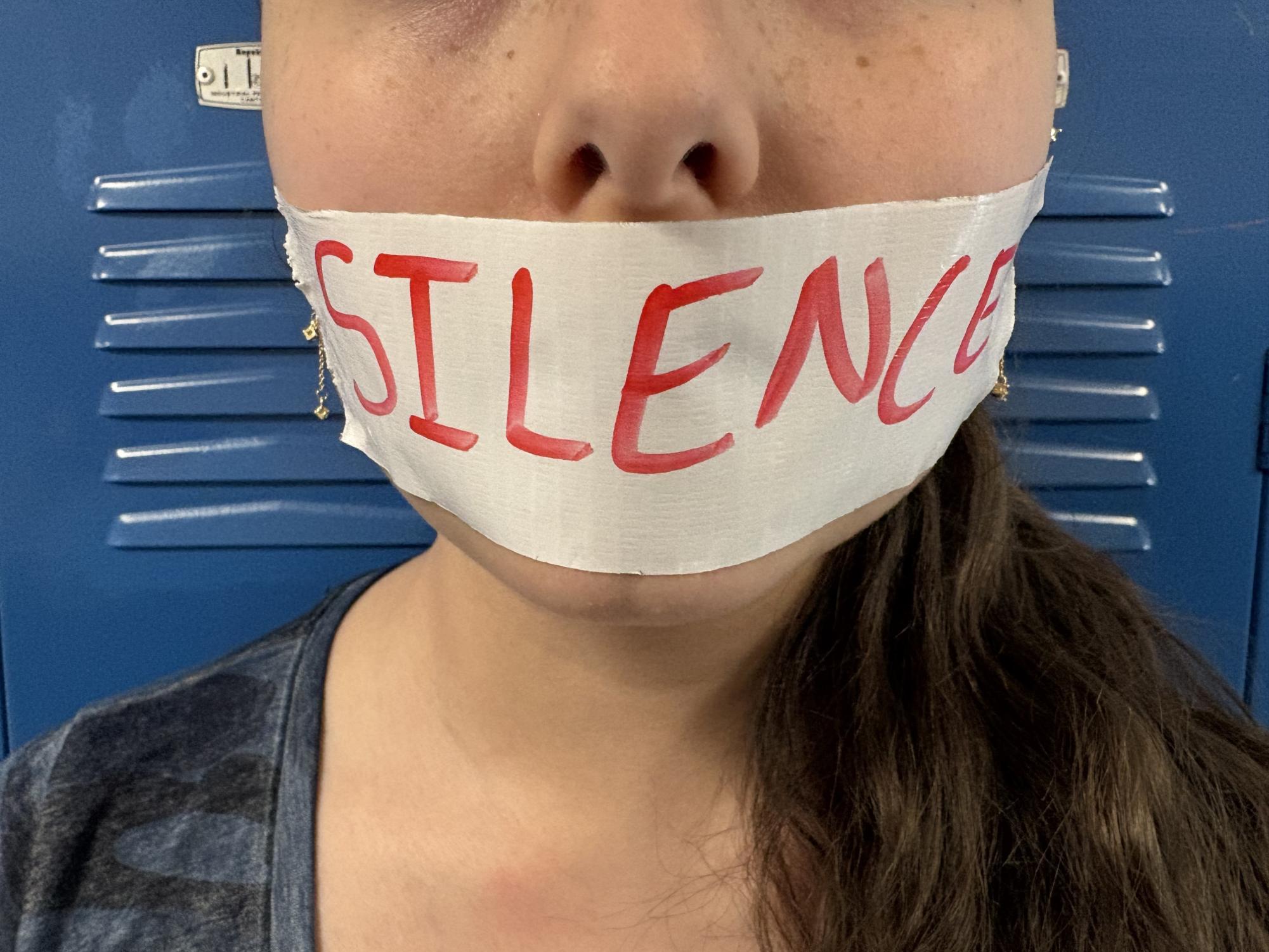
Censorship is silencing students

In the United States, increased censorship of student publications is not only present, but surging, in many communities.

In December 2025, officials at the University of Alabama informed student editors of the magazines Nineteen Fifty-Six — a Black culture-focused magazine — and Alice — a women’s issues-centered magazine — that the publications were going to be removed as they didn’t abide by The Trump administration’s executive order regarding diversity, equity and inclusion. To fight against the censorship, the editors filed a federal lawsuit nearly four months later.

Even though Tinker vs. Des Moines established that students carry their First Amendment rights into the school setting, as the University of Alabama situation displays, school administrations and the government have still found ways to censor student publications.

Hazelwood School District vs. Kuhlmeier is one case that administrations cite to defend their censorship decisions.
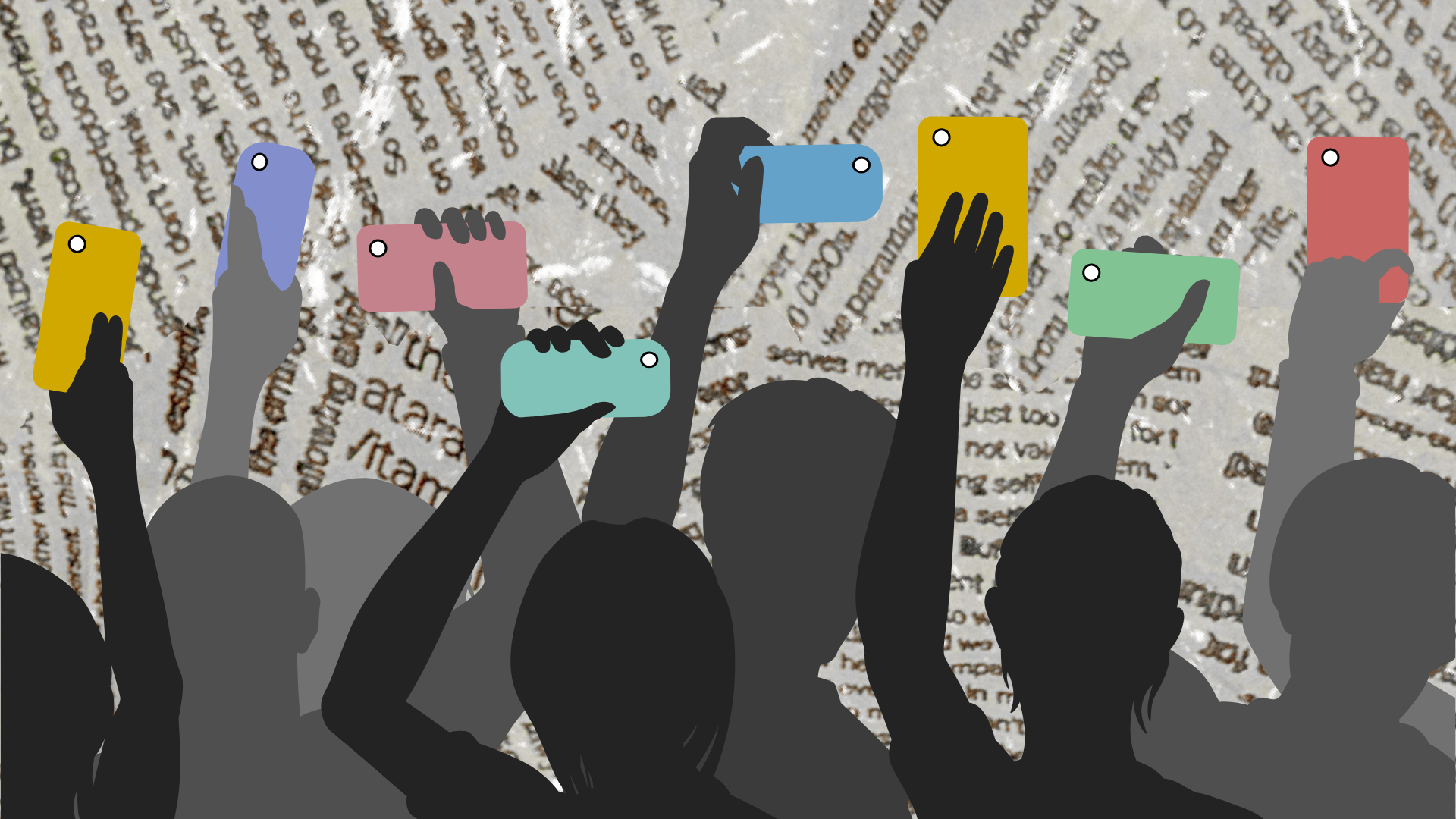
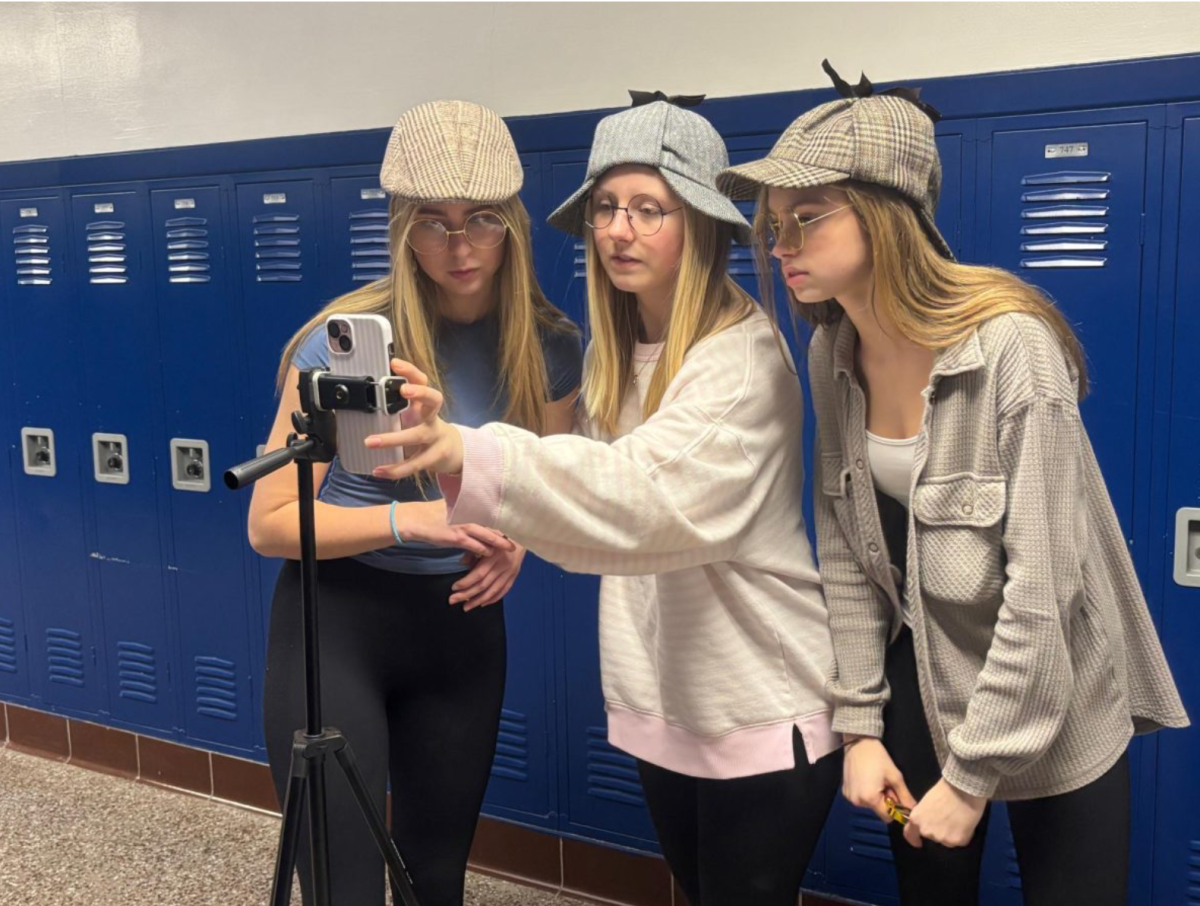
Student journalists across the United States are being censored by their school administrations, and the schools are getting away with it. New Voices legislation works to protects students and school journalism programs. (Austyn Hackmann)
Kuhlmeier was another one of many students who fell victim to administrators' censorship.
The impact of Hazelwood vs. Kuhlmeier

On May 13, 1983, high school student Cathy Kuhlmeier, a member of Hazelwood School District’s newspaper, The Spectrum, was censored. Kuhlmeier and her friends’ articles about teen pregnancy, the impacts of divorce on teenagers’ lives and runaways were removed from the publication by the principal of the school, Robert Reynolds.

According to Kuhlmeier, Reynolds attempted to justify the censorship by claiming that the reporters were using the actual names of the pregnant students and that he wanted to protect the girls. However, Reynolds wouldn’t know this information because he never read the articles.

Kuhlmeier explained that she and the students working on the article not only used pseudonyms to protect the students but also obtained signed consent from the students and their parents to discuss their stories, thus adhering to professional journalistic ethics.

“I think that a lot of it was because our principal was a new principal and he was trying to protect the school from letting the community know we had pregnant girls in our high school,” Kuhlmeier said. “He didn’t want anyone outside the walls of Hazelwood to know that girls were pregnant in this school.”

After the censorship, Kuhlmeier called her previous adviser, Mr. Sturgis, who was present for the beginning of the project. He told her to call the American Civil Liberties Union. When the ACLU expressed its interest in talking to Kuhlmeier and the other students, they went to visit the organization. From there, the case was carried up to the Supreme Court.

On Jan. 13, 1988, the case was closed and the Court ruled in favor of Hazelwood, saying that schools have the right to censor publications if their work is deemed “reasonably related to legitimate pedagogical concerns.”

“We just wanted to tell other kids about the problems in our school and maybe ways that they could avoid the pitfall of becoming like some of those that we talked to,” Kuhlmeier said. “…as a journalist, when you write stories, you know that every article you write isn’t going to make a difference to everybody. If you make a difference to one person, you’ve done your job, and that’s what it was all about.”

Although the immediate effects of Kuhlmeier’s case weren’t positive, its long-term impact allowed for important protections to blossom. An example of this being New Voices.

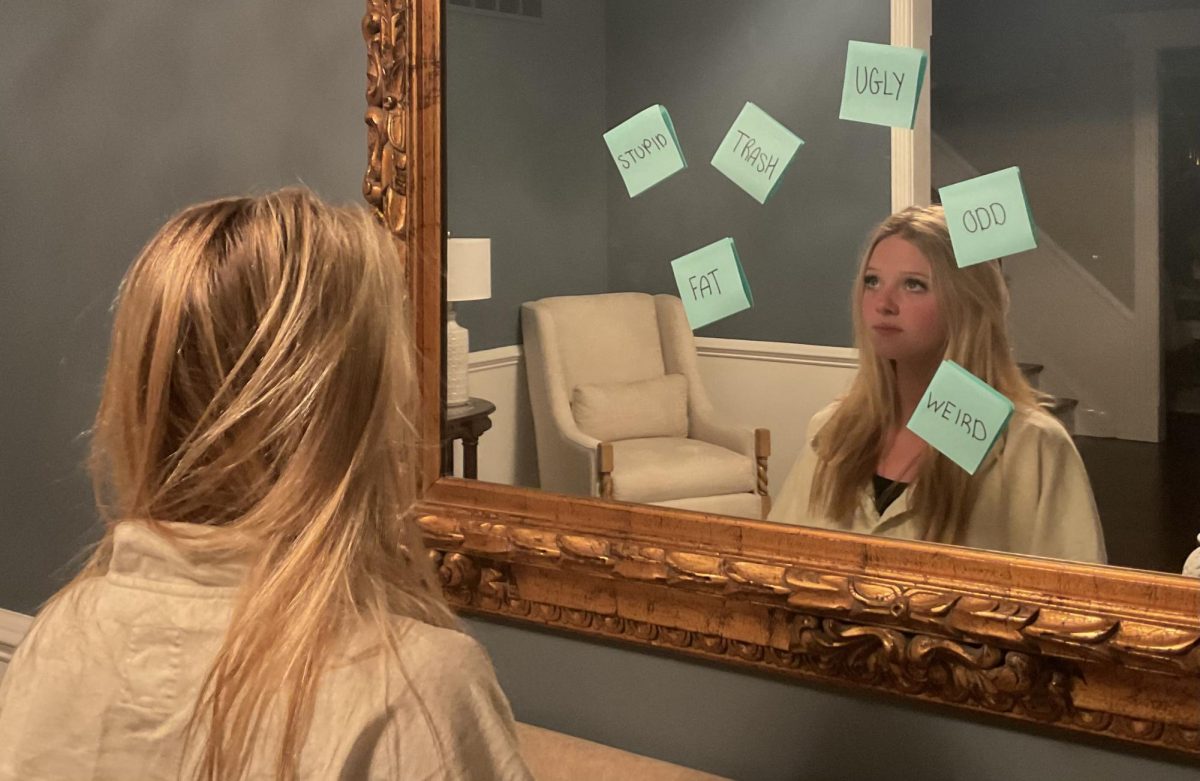
Kuhlmeier was another one of many students who fell victim to administrators’ censorship. (Austyn Hackmann)
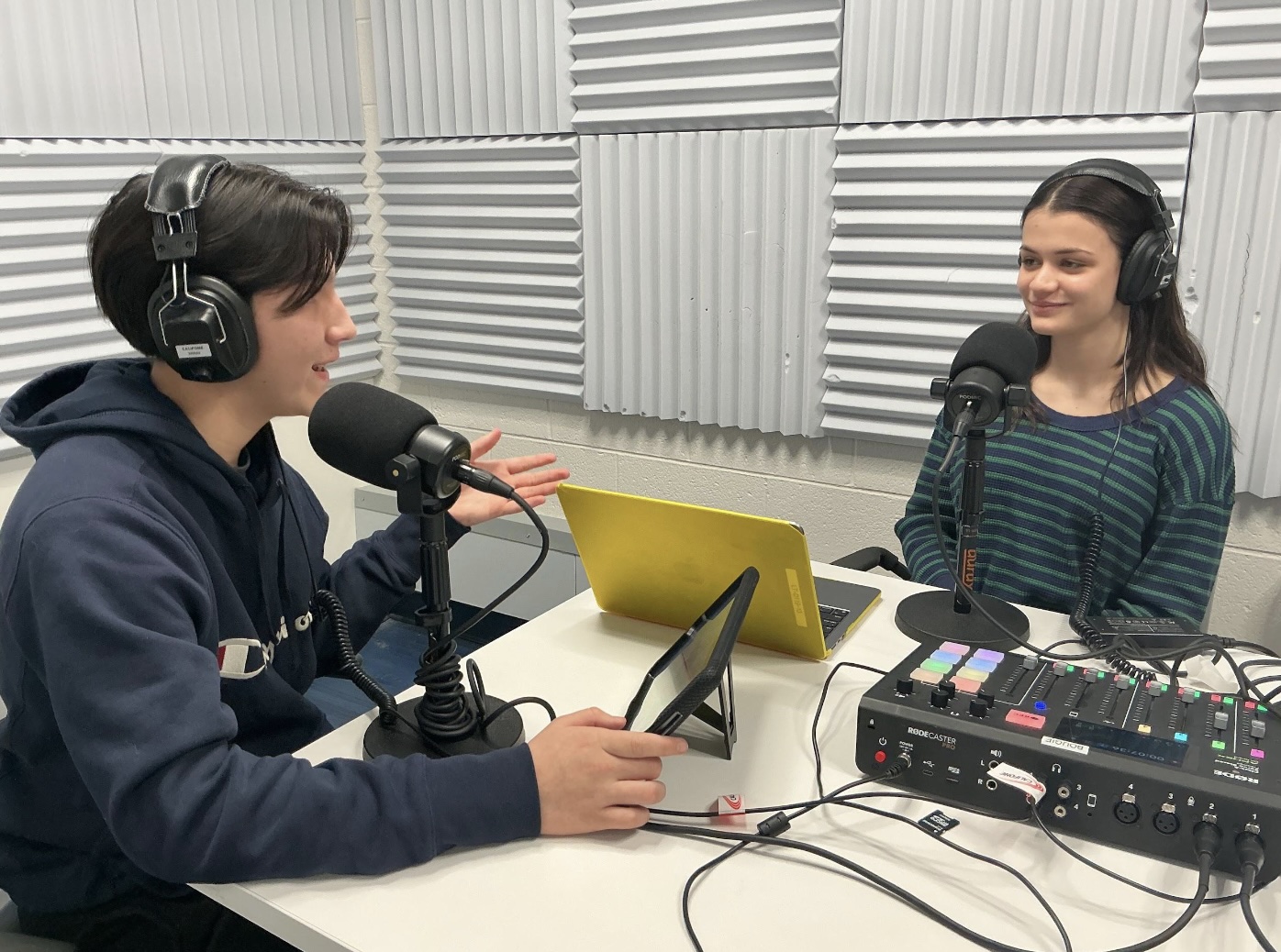
Freshman reporter Caleb Galvan records a podcast with junior editor Lillyana DeMartino. Galvan's first podcast recording exercise allowed him to create his own story thanks in part to New Voices legislation.
How New Voices protects student voices

33 years after the Supreme Court’s ruling, a movement in response to the decision began, otherwise known as the New Voices Movement.

New Voices is an important piece of legislation that protects student journalists’ voices by reinforcing their First Amendment rights. New Jersey became involved in the movement when it passed the legislation in 2021.

Doesn’t the federal government already protect students rights under the First Amendment after the Tinker decision? Yes, the government provides protections; however, after the Kuhlmeier ruling, school districts had the ability to strip students of these rights under a loose interpretation of the decision. As a result, people involved in scholastic journalism, including advisers, realized that an action to ensure protection of student voices needed to be taken.

John Tagliareni, a founding member of the Garden State Scholastic Press Association, played a key role in passing New Voices in New Jersey.

“What New Voices does in every state is go above and beyond what the minimum required protections are for the First Amendment, especially in the case of students,” Tagliareni said.

In the event that school administration attempts to censor a student journalist, like the University of Alabama case, New Voices serves as an essential tool to combat these challenges. Unfortunately, Alabama is not one of the 18 states that currently has New Voices protections.

Even though New Voices was established to protect student voices, it carries a secondary, unanticipated benefit beyond the wall of the school: preventing news deserts.
Freshman reporter Caleb Galvan records a podcast with junior editor Lillyana DeMartino. Galvan’s first podcast recording exercise allowed him to create his own story thanks in part to New Voices legislation. (Agnes Hughes)
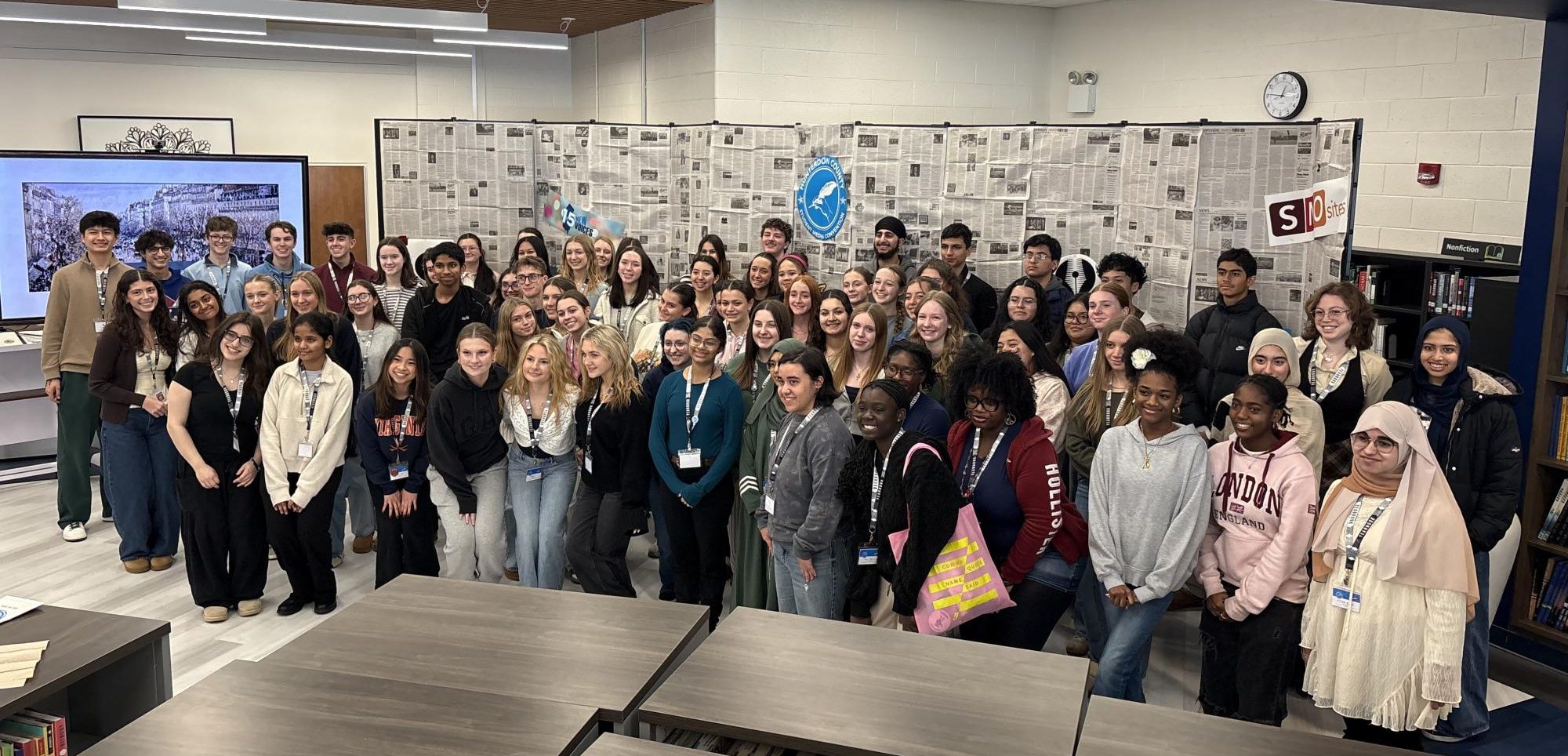
Del Val acts as the host of the annual Hunterdon County Student Media Convention each Student Press Freedom Day. After the Hunterdon County Democrat, along with several other local newspapers, stopped printing, student journalists have had to pick up where these publications left off.
Why is New Voices a necessity?

News deserts are rural communities with little to no access to credible and comprehensive local news and information that fuels democracy. The Local News Initiative reports that 40% of local newspapers, including school publications, have disappeared since 2005.

In 2003, Ellen Austin — a successful high school journalism adviser, Kent State University journalism professor and Journalism Education Association award winner — started The Rubicon, a newspaper publication at the small, rural St. Paul Academy. This paper provided more news than what the local publications were producing.

Despite its service to the community, the school’s Board of Education challenged The Rubicon for its writing. The student editors, along with Austin and a professional journalist from Minneapolis, stood together to fight against the BOE.

“If you have no professional news organizations near you, it puts on your young shoulders a real responsibility,” Austin said. “If people are going to find out what’s happening where you are, it’s on you and your colleagues. You are actually providing a great community service.”

Although it was ‘only’ a high school publication, its censorship would reach beyond the school. The community’s local news coverage would suffer a detrimental loss of important information.

“Local news is like the river that runs through a community and it brings information to everyone, and everyone can dip into it equally,” Austin said.

For local Del Val communities, such as Alexandria, Holland and Kingwood townships, as well as Frenchtown and Milford boroughs, The Delphi is the only organized news source consistently reporting on this community since the Hunterdon County Democrat ceased publishing. While The Delphi covers important Del Val and community news, it’s impossible for one paper to cover everything.

“The decisions that affect what happens to you from morning to night is actually not being made at the high school; it’s being made at the city council in budget meetings,” Austin said. “If you don’t know what’s happening there, that means that everybody in your high school is in a news blackout about things that could be really important for them to know.”

Without student publications, it is impossible to know what is happening in a community that lacks professional news sources. As a New Voices state, New Jersey protects student journalists from being censored, but what happens in to the University of Alabama community with no New Voices laws to protect its student journalists?

It is imperative that states lacking New Voices legislation adopt it. If a community of people is not aware of the choices being made within the town, important pieces of a story are left unheard, which causes democracy to fail.

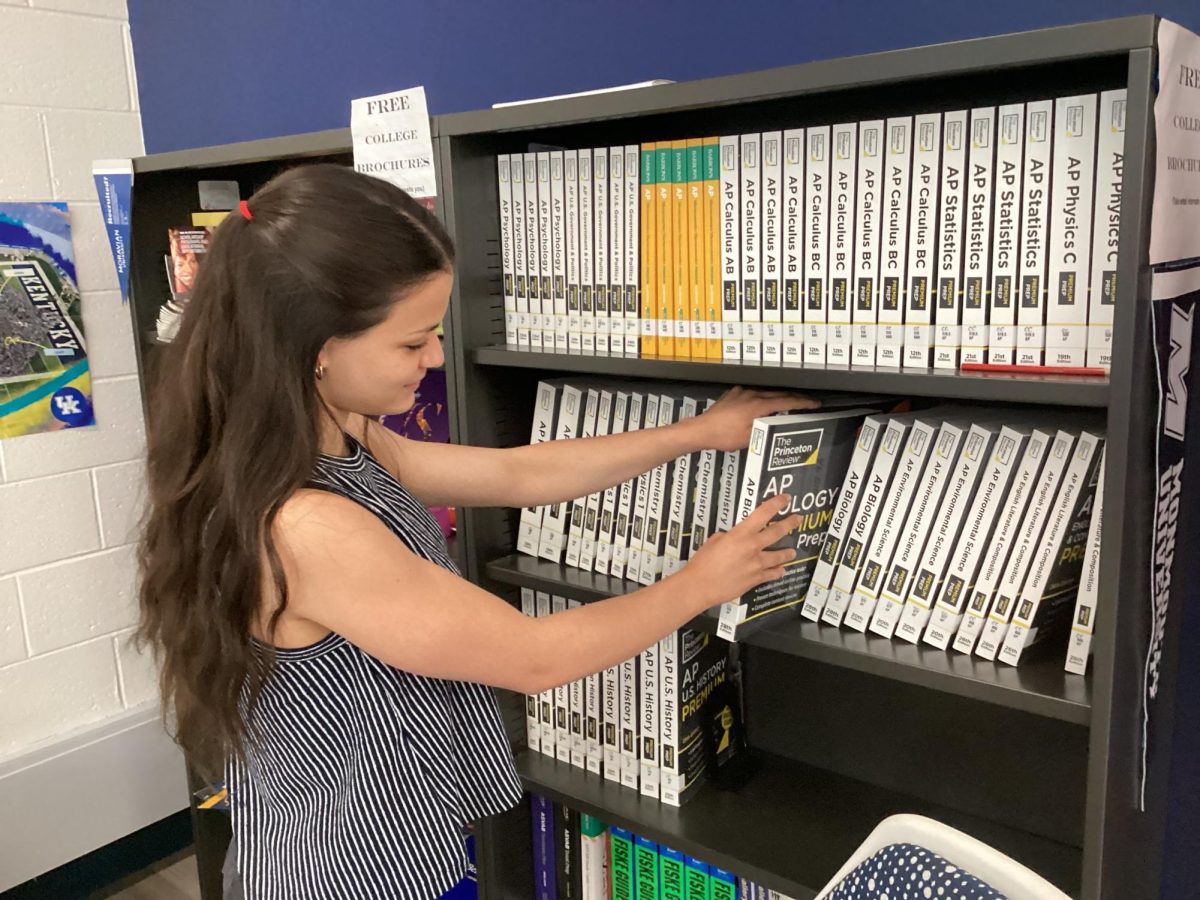
Del Val acts as the host of the annual Hunterdon County Student Media Convention each Student Press Freedom Day. After the Hunterdon County Democrat, along with several other local newspapers, stopped printing, student journalists have had to pick up where these publications left off. (Ella Genovese)
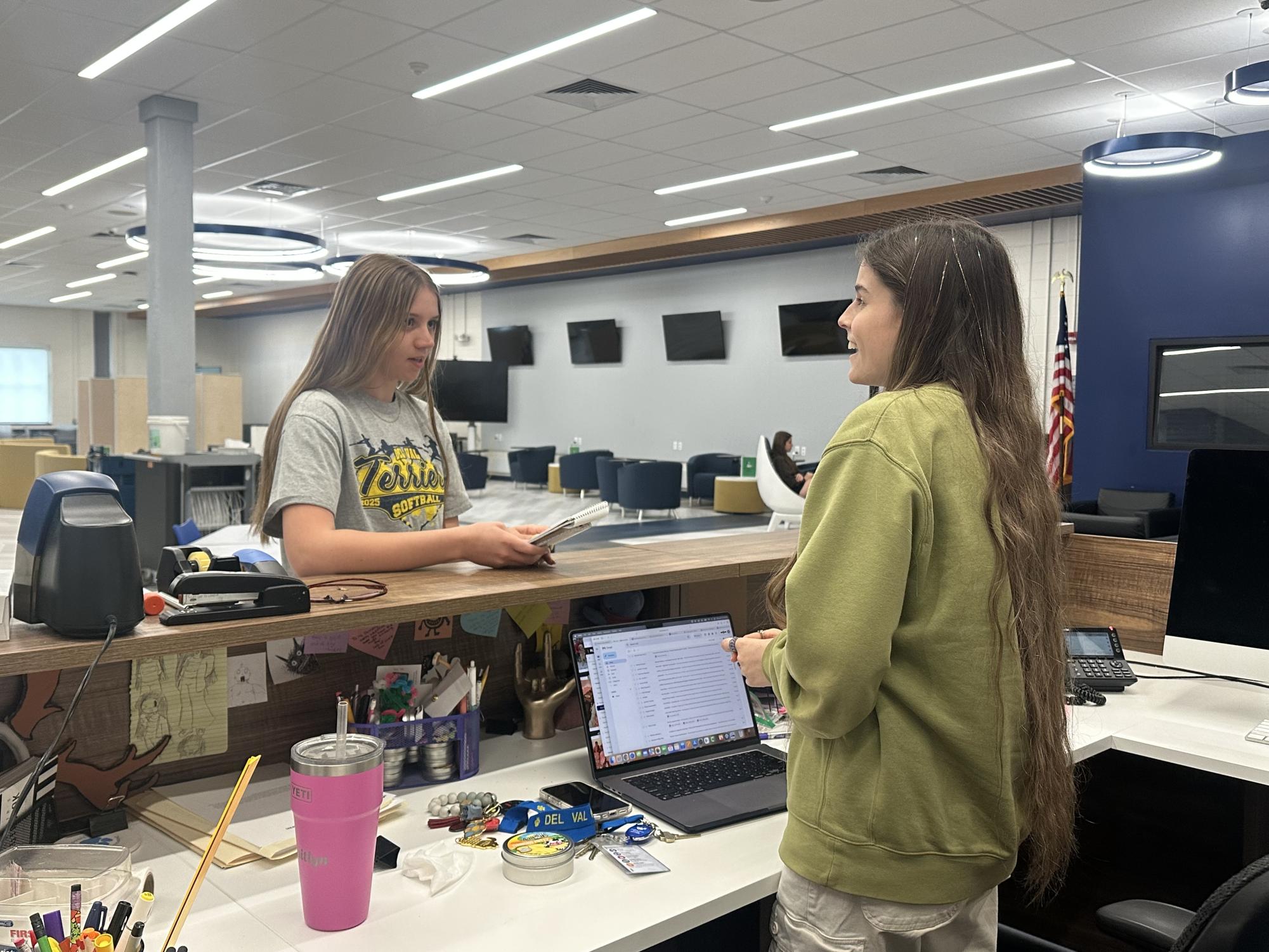
Editor Ellie Lyons interviews paraprofessional Kaitlyn Donnelly for an upcoming story. Without New Voices, students are not as protected to tell these important stories.
Becoming a New Voices state ensures everyone’s voice is heard

It is essential that every state in the U.S. becomes a New Voices state to ensure that every student’s voice is heard. A lack of reliable journalism can lead to the spread of misinformation, news deserts and the destruction of democracy in many communities.

If a student in a non-New Voices state writes about a controversial issue and is censored, that act is stripping away that student’s ability to explain to the community the impacts that government actions have on the people. When this happens, both the student and their subjects’ stories are suppressed.

By experiencing this period of increased censorship, it is clear that becoming a New Voices state will guarantee that the U.S. remains an informed society.

To learn more about New Voices, visit the Student Press Law Center.

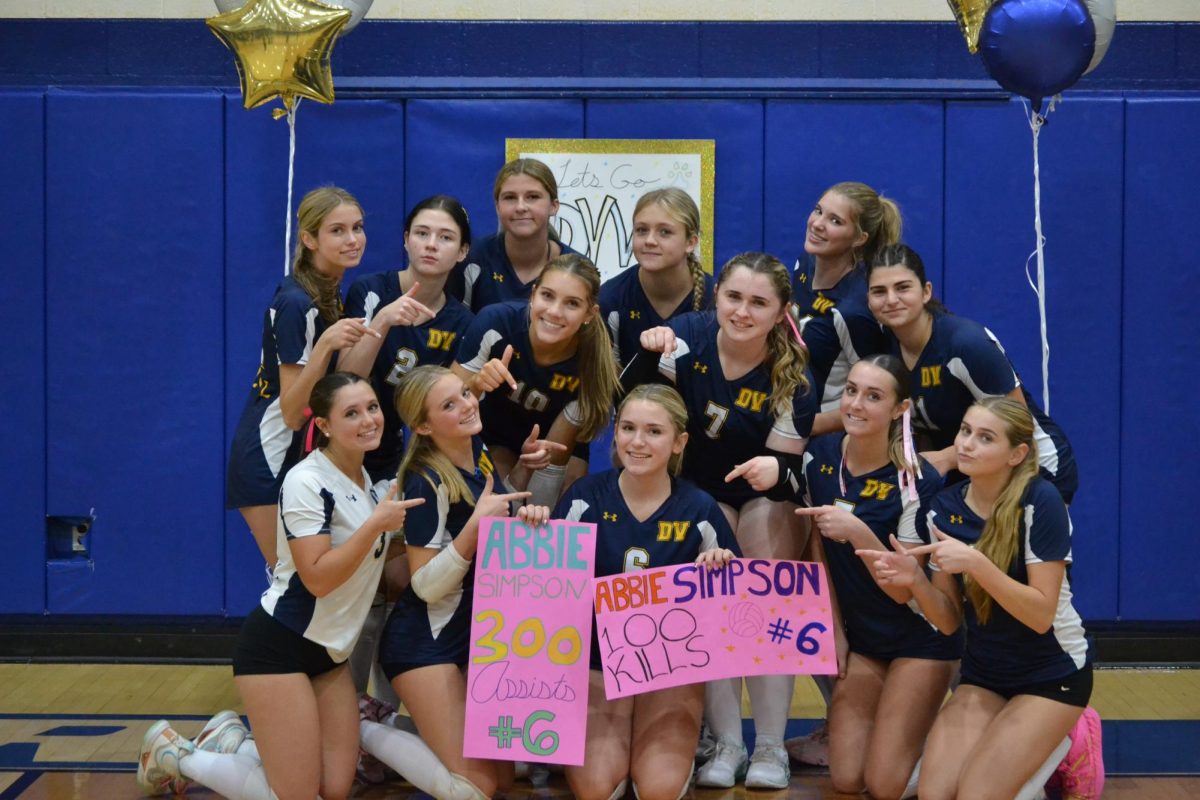
Editor Ellie Lyons interviews paraprofessional Kaitlyn Donnelly for an upcoming story. Without New Voices, students are not as protected to tell these important stories. (Austyn Hackmann)
Donate to The Delphi
$445
$2000
Contributed
Our Goal

Your donation will support the student journalists of Delaware Valley Regional High School. Your contribution will allow us to attend conventions, purchase equipment and cover our annual website hosting costs.
More to Discover
About the Contributors
Austyn Hackmann
Austyn Hackmann, News Editor
Austyn Hackmann, the news editor, is a sophomore at Del Val, and this is her second year working on The Delphi. Throughout her highschool career, Hackmann has participated in two of the winter musicals, last year’s Big Fish and this year’s SpongeBob the Musical, and two of the plays, last year’s Little Women and this year’s Back to the 80’s. Not only does Hackmann enjoy English the most, but she also loves history class — especially when it’s world history. This year, she got to explore more of the world’s history when she spent five and a half days in London.
Agnes Hughes
Agnes Hughes, Reporter
Agnes Hughes is a freshman, and this is her first year in The Delphi program. Agnes is in concert band, and in her free time she practices bass guitar. One of Agnes’ favorite books is “The Body” by Stephen King, along with the movie based on the book, Stand by Me. Agnes is happy when her cats are with her and she gets to spend time with them. Lastly, some of her favorite artists are Nirvana and The Neighborhood.
Doris Cruz Alvarado
Doris Cruz Alvarado, Assistant Opinion Editor
Doris is a junior at Del Val and she is the assistant opinion editor for The Delphi. In her free time, she likes to read and paint. At school, Doris participates in International club, Environmental club, and BC2M club.
Ellie Lyons
Ellie Lyons, Opinion Editor
Ellie Lyons is a junior at Del Val. This is her third year writing for The Delphi, and she is the Opinion Editor. Ellie plays softball for Del Val and enjoys reading in her free time. She hopes to improve her editorial and leadership skills this school year. 
Emmaline Faber
Emmaline Faber, Reporter
Emmaline is a sophomore in her first year as a reporter for The Delphi, and she is an active member of Del Val’s theater department.
Ella Genovese
Ella Genovese, Managing Editor
Ella Genovese is a junior at Del Val. This is her third year writing for The Delphi. She is the Managing and Sports Editor for this year. She is also a stage manager for this year’s fall play and enjoys being involved in the theater department. In her free time, Ella likes to swim, read, write and listen to music.
Donate to The Delphi
$445
$2000
Contributed
Our Goal