























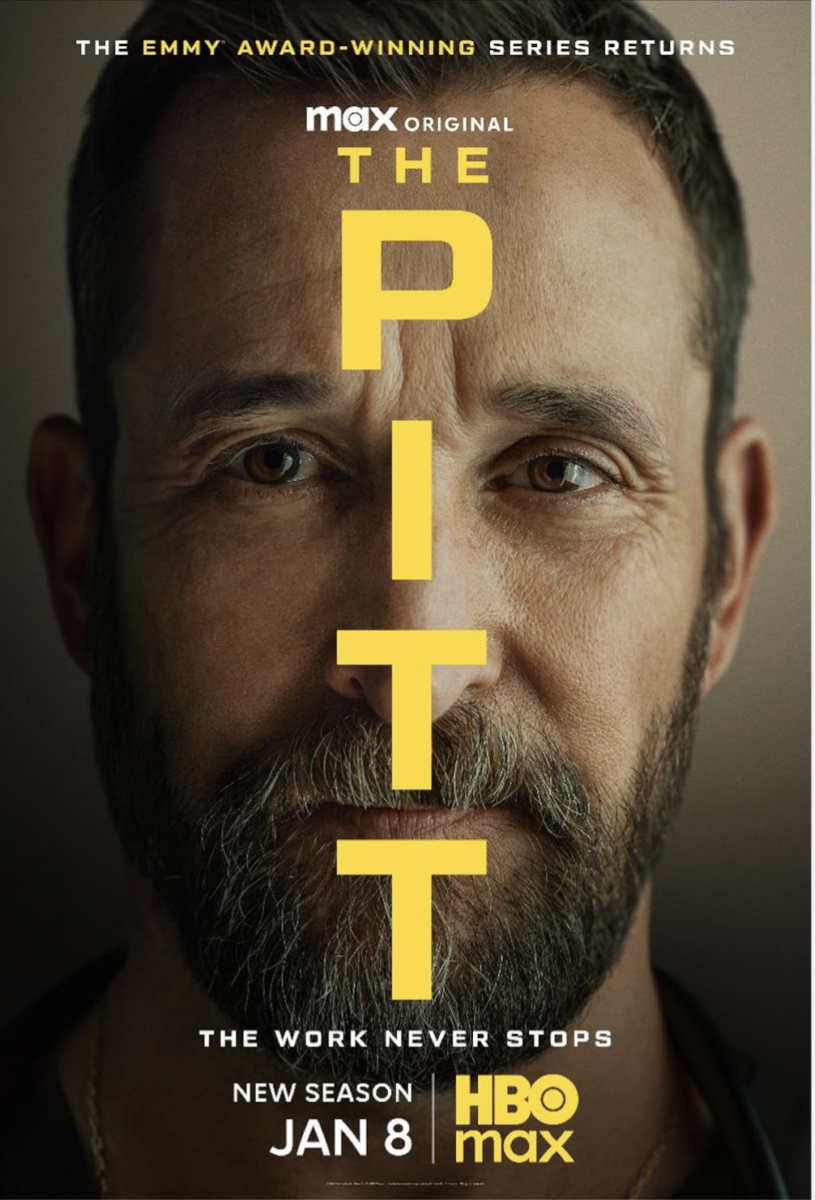
HBO’s Emmy-sweeping show “The Pitt” premiered its final episode of season two on Thursday, April 16. Following its impressive critical success and weekly release schedule, the show has built a devoted fan base online.
Season two was entertaining and held on to some of the best aspects of season one. It featured the same hour-by-hour style, medical accuracy and politically relevant storylines that captured fans in the first season. However, it had one major letdown: the ensemble.
This is not at the fault of any of its ensemble members, though. That fault lies with the writer’s room.
“The Pitt” was applauded in season one for its ensemble-based storylines, featuring 10 credited main characters and 15 recurring characters, in addition to over 300 guest and background actors. In season two, this same cast still exists, but the storylines and background of anyone besides Dr. Michael “Robby” Robinavitch, played by Noah Wyle, are almost non-existent.
Wyle is an executive producer, director and writer of the show; he is heavily involved in the creative process and creation of storylines. Season one did a great job at following Robby as its main character but still including backgrounds, relationships and future pathways for the other characters. Viewers learned about other roles and witnessed how their decisions and issues affected Pittsburgh Traumatic Medical Center as a whole, and Robby as an extension of that.
Season two, however, suffered from Noah Wyle syndrome. In fear of overshadowing Robby, other characters’ screen time and storylines were diminished. It seems Wyle is trying to avoid becoming a secondary character to others after his experience with George Clooney on “ER,” but it hurts the show overall.
While “ER” were both Clooney and Wyle’s breakout roles, Clooney went on to have a more commercially successful career than Wyle. The fear of this happening again seeps through into the writing of “The Pitt.”
A complete overhaul needs to be looked into within “The Pitt’s” writer’s room for season three. “The Pitt” needs to return to what it was praised for: highlighting its ensemble cast. The show has a cast filled with talented actors who showed time and again their ability to adapt and develop their characters.
In addition to the writer’s room, final episode edits need to prioritize the ensemble as well. Many aspects of the finale were left vague, seemingly as a creative decision. Though, based on cast interviews, it doesn’t seem like this vagueness was originally intended. Sepideh Moafi, who plays. Dr. Baran Al-Hashimni, revealed in an interview with TV Insider aspects of her character’s final scene in episode 15.
“When Al-Hashimi stopped driving, ‘she imagines her son in the passenger seat of the car, and that makes her lose it. And there was a portion of that scene that was actually omitted, which was her calling her ex and saying, ‘Hey, I’m having some car trouble. Is it OK if you watch our son overnight?’ And he says to her, he says, ‘Are you OK? Do you need me to come get you?” Moafi said. ‘And that’s when she starts to crumble because more than anything else, she needs love and comfort and warmth and company really, but she doesn’t trust anyone in that moment.'”
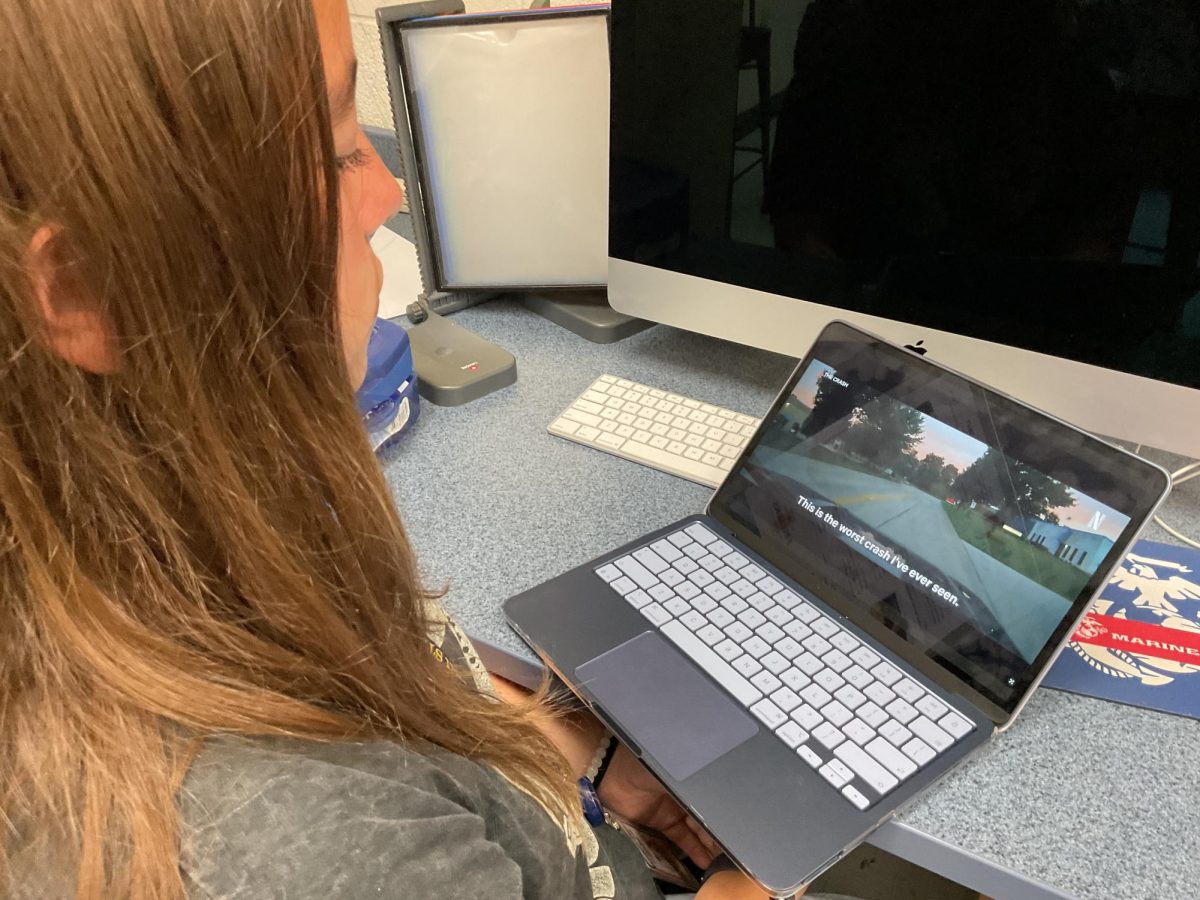
In the final cut of the scene, Al-Hashimi enters her vehicle, starts the car, begins driving, stops after a few feet and begins crying. There is no reference to her son, no conversation with her ex, nor any implication why she is crying besides fear of her recently revealed seizure disorder. This lack of exposition defines what’s missing this season.
The scene becomes much more impactful when the content provided by Moafi is known, but the average fan is not looking for cast interviews to gain this insight.
This isn’t an issue specific to Moafi, either. Shawn Hatosy, who plays Dr. Jack Abott, has discussed his belief in a romantic relationship between Abott and Dr. Mohan; Taylor Dearden, who plays Dr. Melissa King, spoke with TODAY about her character losing her parents at a young age; and Patrick Ball, who plays Dr. Frank Langdon, went into detail about his character’s first day back in the emergency room in 10 months after Robby discovered his benzos addiction in season one.
All of these facts add context and depth to the characters that were missing throughout season two. These details don’t need to be spoon fed to the viewer, but they should be present within the show itself.
Even when the writing is there, the final edit destroys what little semblance of background is present. There is no doubt Wyle is deserving of leading “The Pitt,” but the prioritization of his character’s storyline over others damages the foundation of the ensemble that the show was built on. When it comes to season three, the writing and editing rooms need to bring back the structure of season one.