




























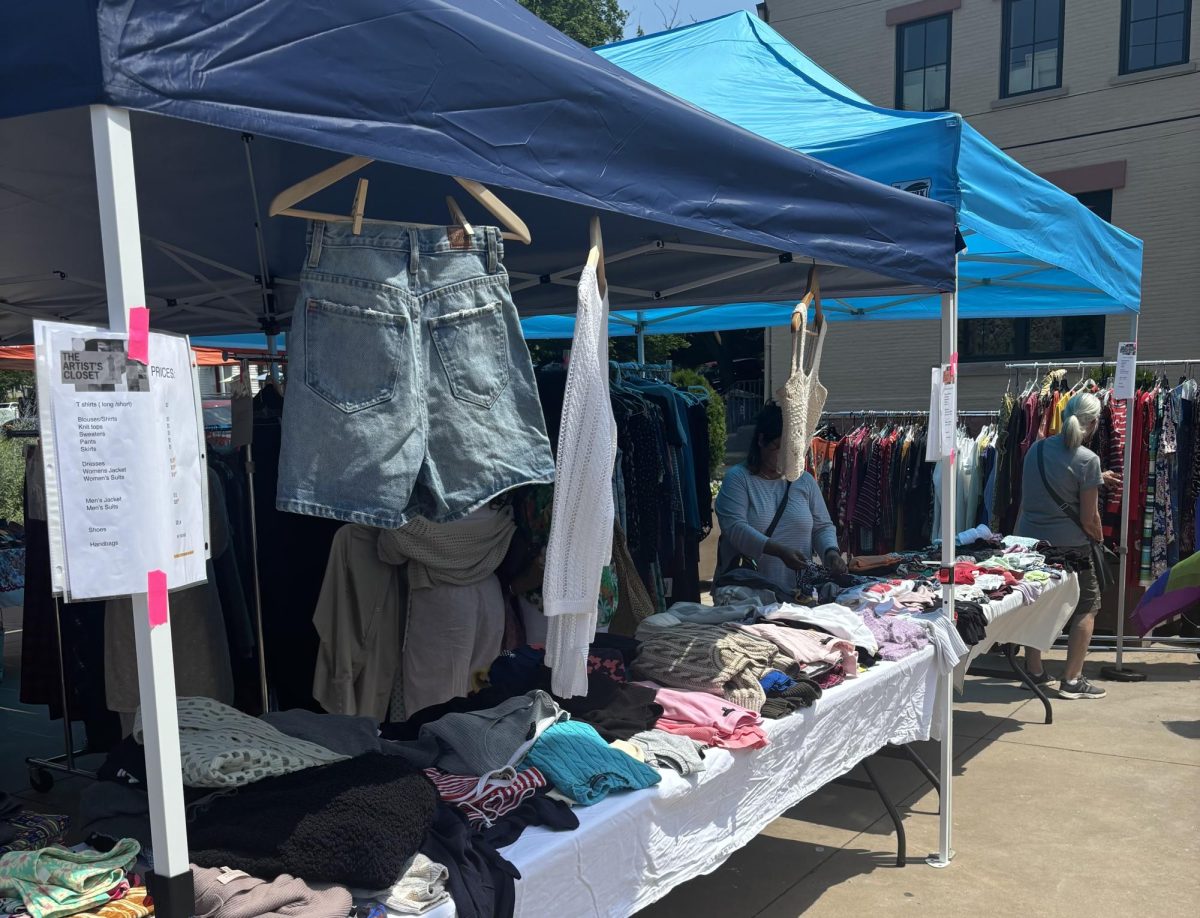








Most people think of secondhand items as dirty or damaged. While some clothes you might find secondhand may have a hole or two, some real treasures can be hidden within a rack.
Thrifting is a better investment when compared to traditional shopping, not just because of the reduced price, but because of the environmental impact, too. There are many ways to help the environment; thrifting is just a small step.
Thrifting can reduce waste and the demand for new products from trending stores. Fewer new pieces of clothing having to be made, reducing the use of energy, fabric, dyes, packaging and water.
“Not only purchasing from a thrift shop, but donating to a thrift shop [as well] reduces the impact of clothes ending up in landfills,” Stacy Grady, Del Val’s AP Environmental Science teacher, said.
While thrifting clothes reduces waste, many secondhand stores support local charities and communities as well. Stores like Goodwill and Salvation Army support nonprofit missions, where purchases go directly to fund programs for those in need.
Thrifting is not only better for the environment, it’s better for your wallet, too. Thrifting is an amazing way to save money on clothes, accessories, furniture and decorations.
In addition to cheap clothing, thrifting requires time and effort to search through all the racks of clothes, reducing the urge to spend impulsively.
Buying clothes from thrift stores allows shoppers to see the quality of the material they are getting. Thrift stores take the time to look through all the clothes they get, ensuring sure they’re not too damaged and washing them before they are sold. If clothes shrink, become discolored or are destroyed in the wash, they aren’t put on the racks. This means the clothes purchased will last longer, and you won’t need to buy more replacements.
This also falls under the topic of fast fashion. Fast fashion is when big factories mass produce items, like clothes or accessories, that tarnish or get destroyed quickly, causing it to be replaced and the old item to be thrown in landfills.
“Fast fashion, you buy it super cheap, but its massed produced in developing countries, like Vietnam and China that don’t have environmental laws, don’t pay their workers a living wage and you get the clothing cheap,” Grady said. “It falls apart or it goes out of style, and you get rid of it.”
Thrift stores often have sales and major discounts. Discounts like 50% to 80% off some racks, or a sticker sale, where certain color stickers are a different percentages off.
Thrift stores carry more than just cheap, off-brand clothes; sometimes, a designer bag or a name-brand coat can be found amongst the others. Not only are thrifters getting a deal by finding designer brands at a secondhand store, they feel good about it too. Finding an expensive dress at your favorite thrift store for a discounted rate is a great feeling.
Many traditional stores have their own type of style of clothing they sell. Thrift stores, however, have every style and type of clothing in one building.
Del Val freshman Oliver Plotkin, expressed their love for thrifting.
“You can find very unique clothing and clothing styles, while in big corporations, it’s all the same, it’s meant to be the norm,” Plotkin said. “When thrifting, you can find what really suits you as a person, individually.”
Thrift stores allow customers to explore other styles, find new colors to add to their wardrobes and experiment with what they’re into.