


































Schools and education look different depending on where you live. In the United States, students often balance different tasks such as academics, jobs and sports, while Germany focuses heavily on academics. The difference between American and German schools shows how each country prepares students for their future.
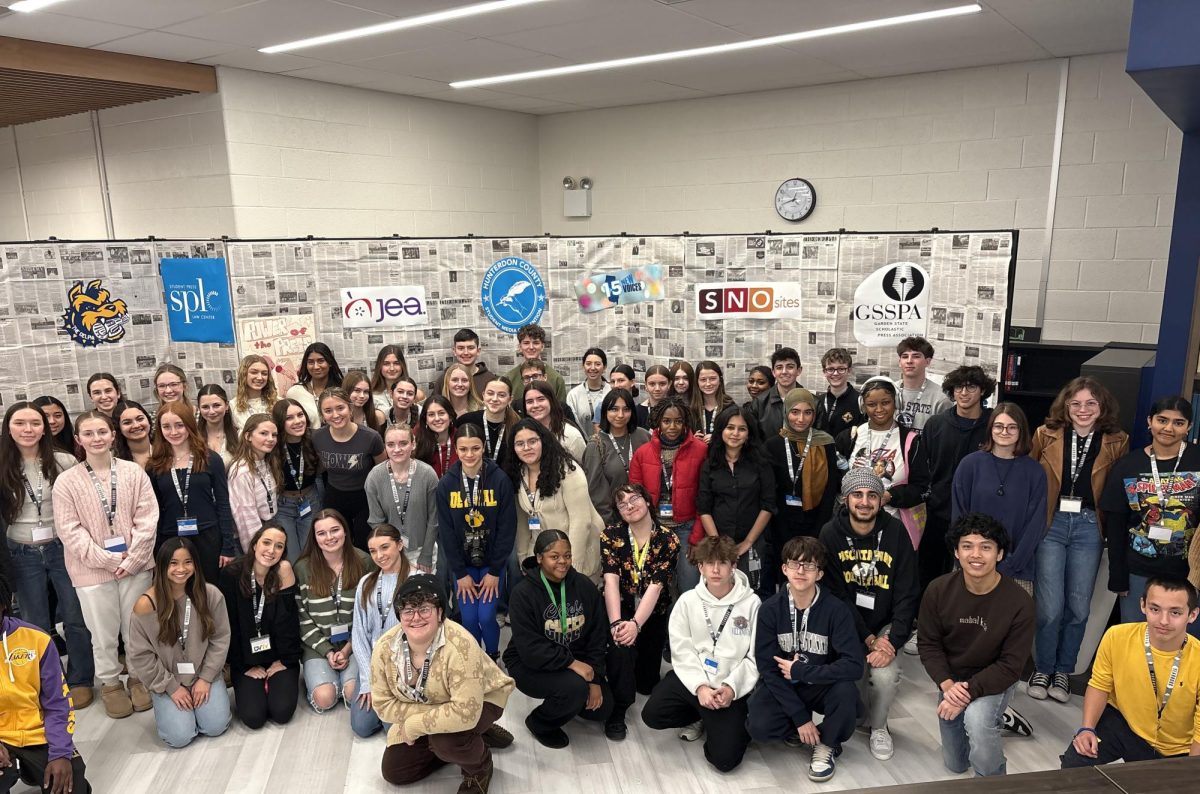
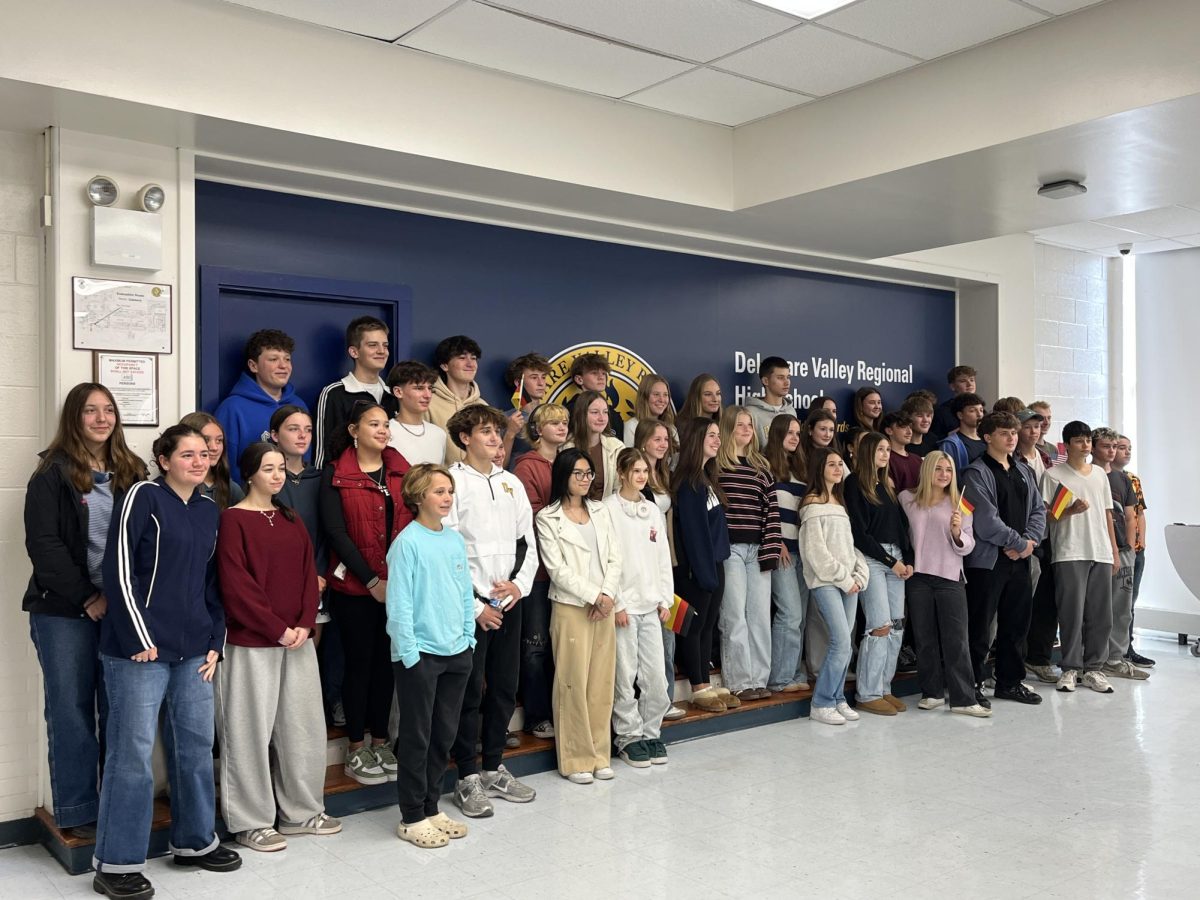
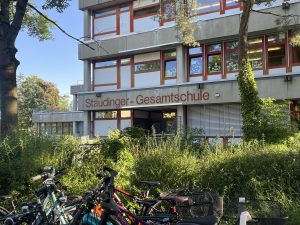
This year, Del Val continued its long standing German exchange student program with the school, Staudinger-Gesamtschule.
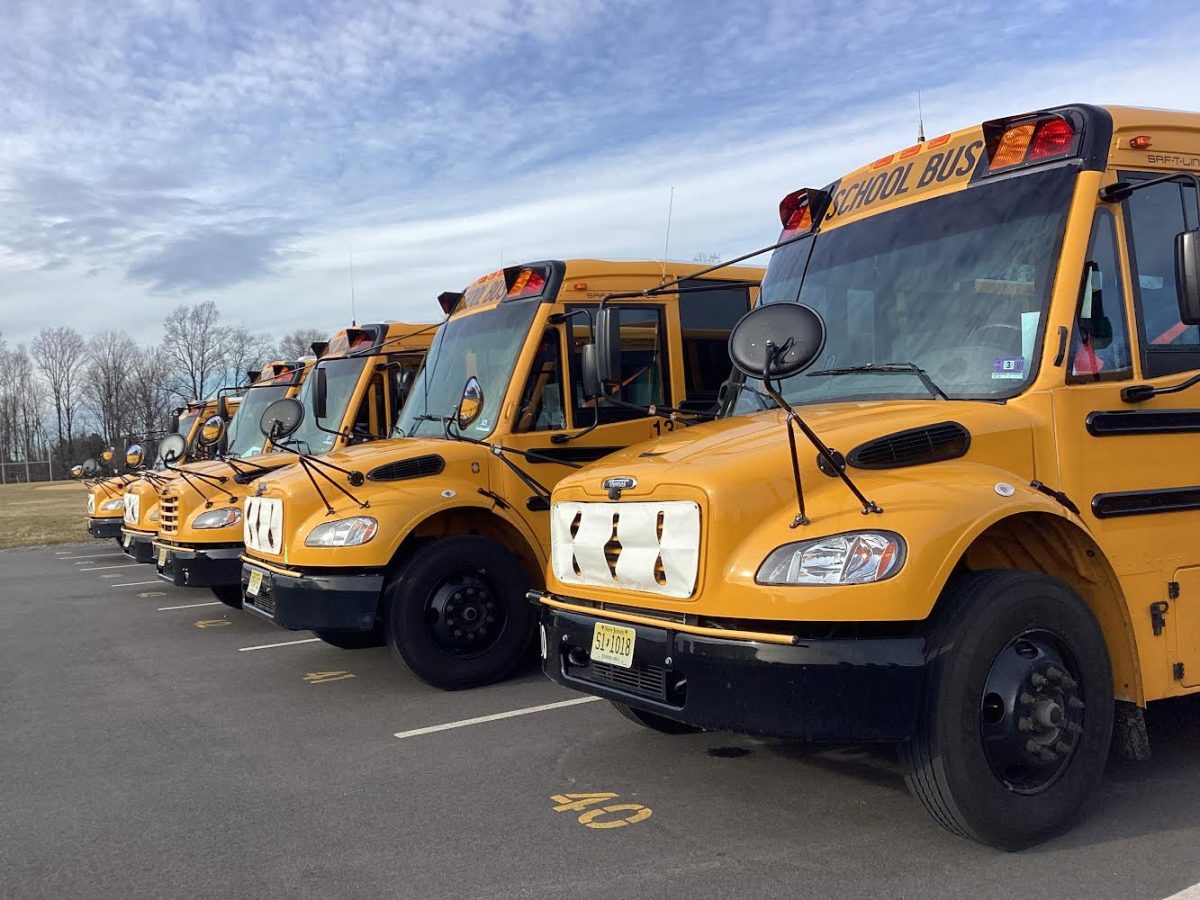
In Freiburg, Germany, traveling to school looks different for students than in the U.S. At Del Val, students board a school bus early in the morning to arrive for classes at 7:37 a.m. German students from Staudinger-Gesamtschule use public transportation, ride a bike or walk to make it to school at 8 a.m. Although both start the school day at similar times, there are distinct characteristics that set them apart.
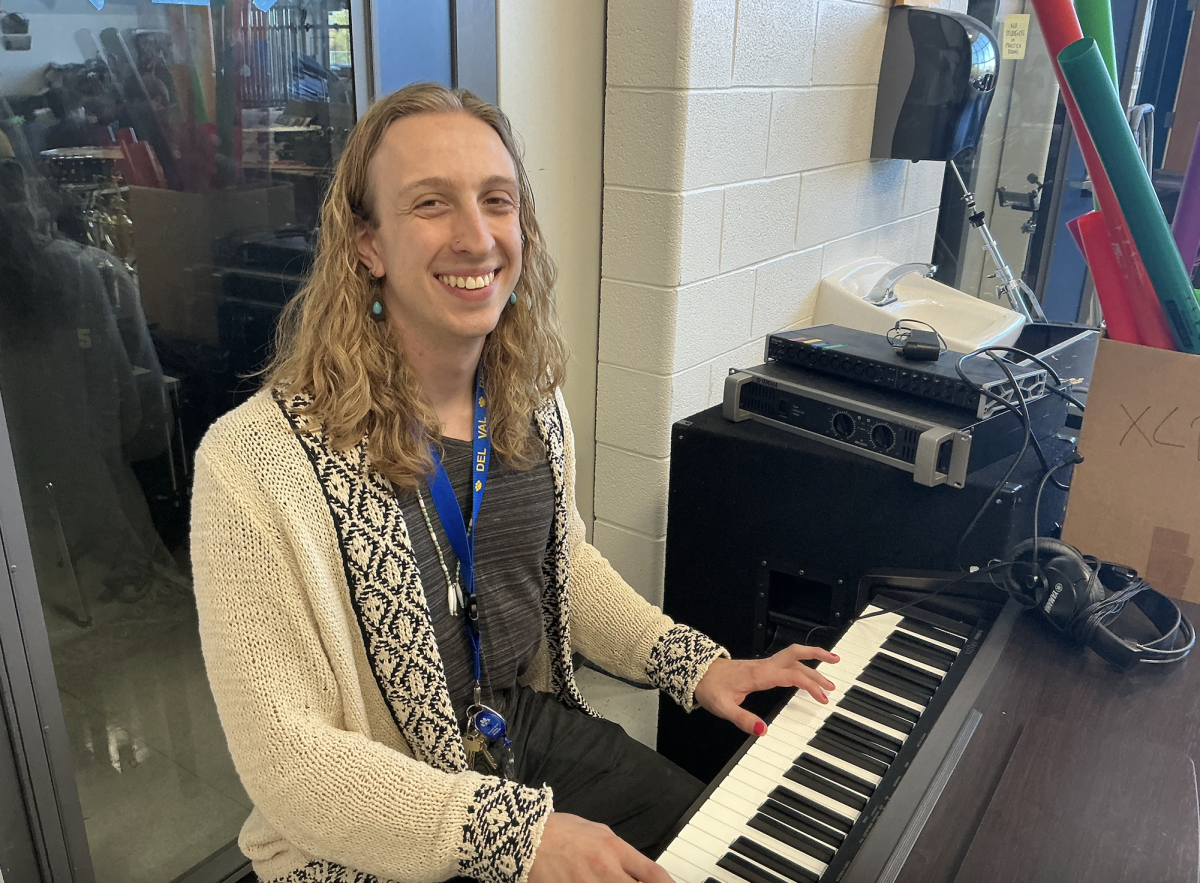
“We’re been working with them since around 1997,” Ben McPherson, Del Val German teacher, said. “German students stay here for two-to-three weeks, and the exchange is done every other year.”
Staudinger-Gesamtschule is a comprehensive school, meaning it accommodates to students of all academic levels, similar to Del Val. Students from fifth grade through high school attend school in one building, Staudinger-Gesamtschule.
“We’re all in one building together but in separate areas,” Julia Szmyd, a German exchange student, said. “Each grade has a specific color for things like the lockers.”
Since Staudinger-Gesamtschule is located in the city, it also serves as a prime location for the community. McPherson witnessed this during his time in Germany as a student in 2007 and then later as a teacher.
“The building itself is much more intertwined in the community in Germany,” McPherson said. “Del Val is a little more isolated from big cities. The school in Germany also has the city’s library built into it so inherently you have people from the community coming into the building more often.”
In Staudinger-Gesamtschule, students follow a different schedule compared to Del Val students.
“We don’t have A and B days, we have different classes everyday,” said Finaj Gaenzer, a German Exchange student. “We have three breaks a day if we end at 4 p.m. and two breaks a day if we end at 1 p.m.”
Felix Niesen, a German exchange student, explained the structure of their class lengths and breaks.
“The first lesson is 90 minutes and then we have a 15 minute break,” Niesen said.
This is repeated throughout the day, allowing students to have time to finish homework and socialize with friends.
Scheduling and classes work differently at Staudinger-Gesamtschule than Del Val.
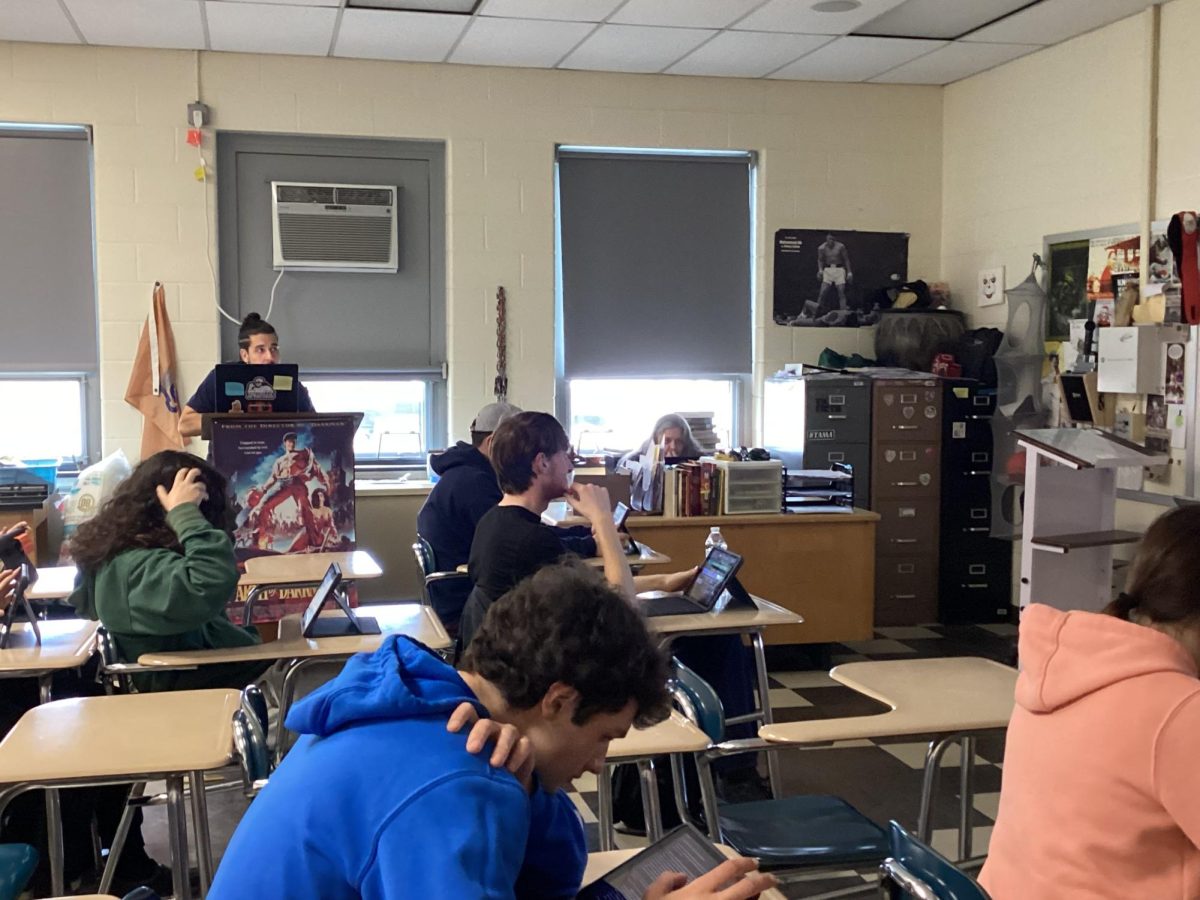
“Here [Del Val], the teachers have the rooms and the students go to the teachers, and in our school the classes have the rooms and the teachers go to the students,” Johannes Huber, Staudinger-Gesamtschule English and German teacher, said.
Like Del Val, Staudinger-Gesamtschule has clubs that students can be involved in. Their school provides a variety of clubs: honey club, chess club and first aid club, that can be done during the two hour lunch break.
“The extracurricular activities happen during lunch,” Huber said. “We have different types of clubs for the students, even one about wood working where students can build huts.”
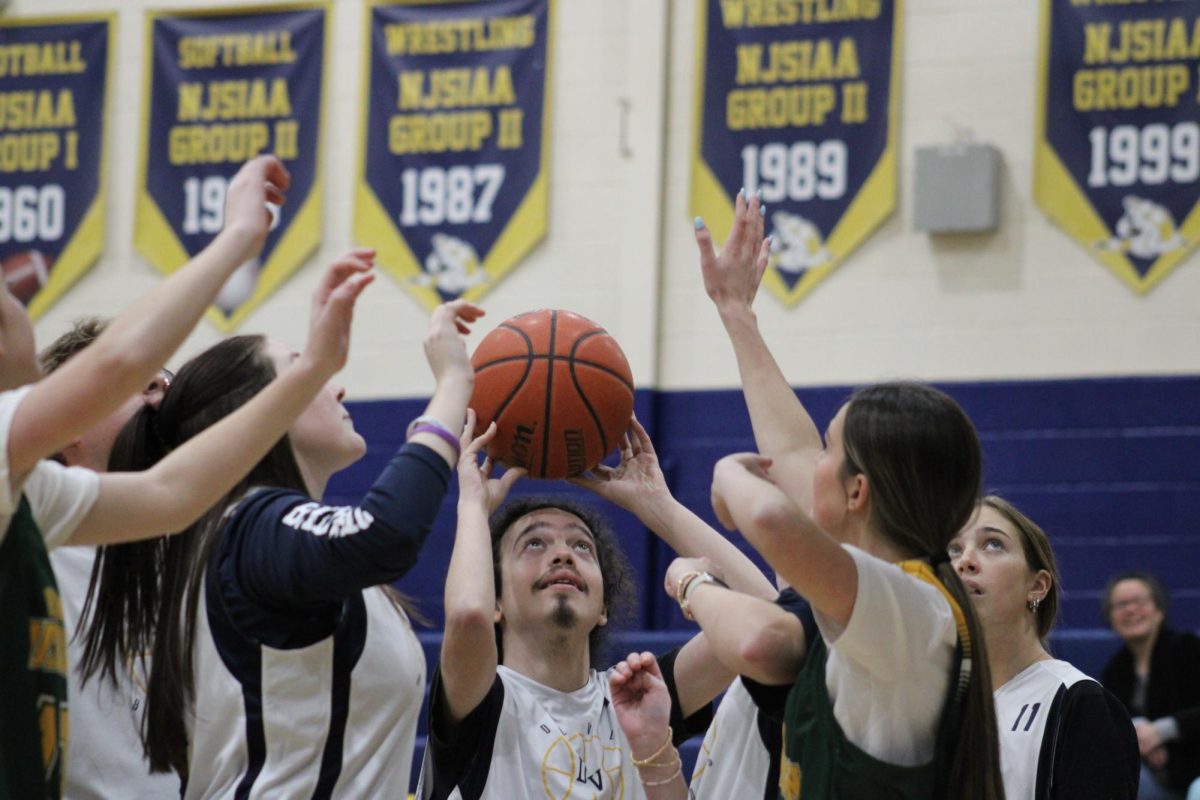
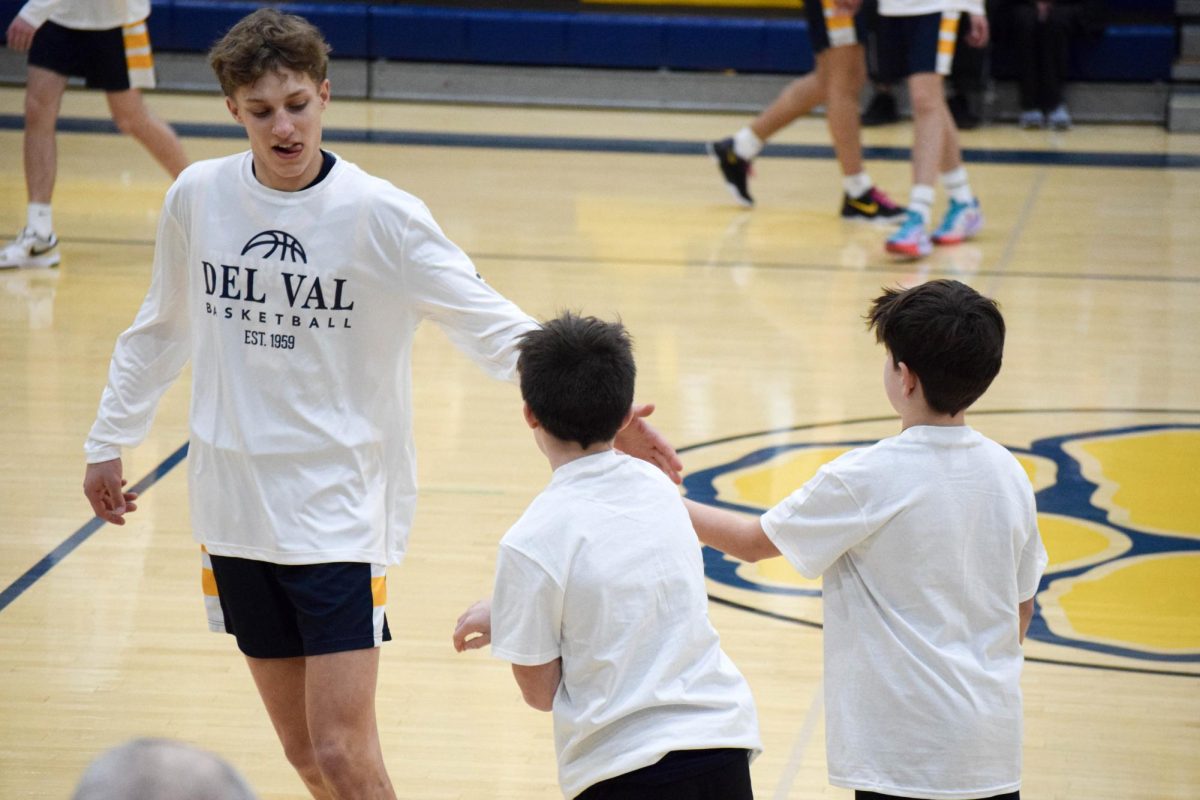
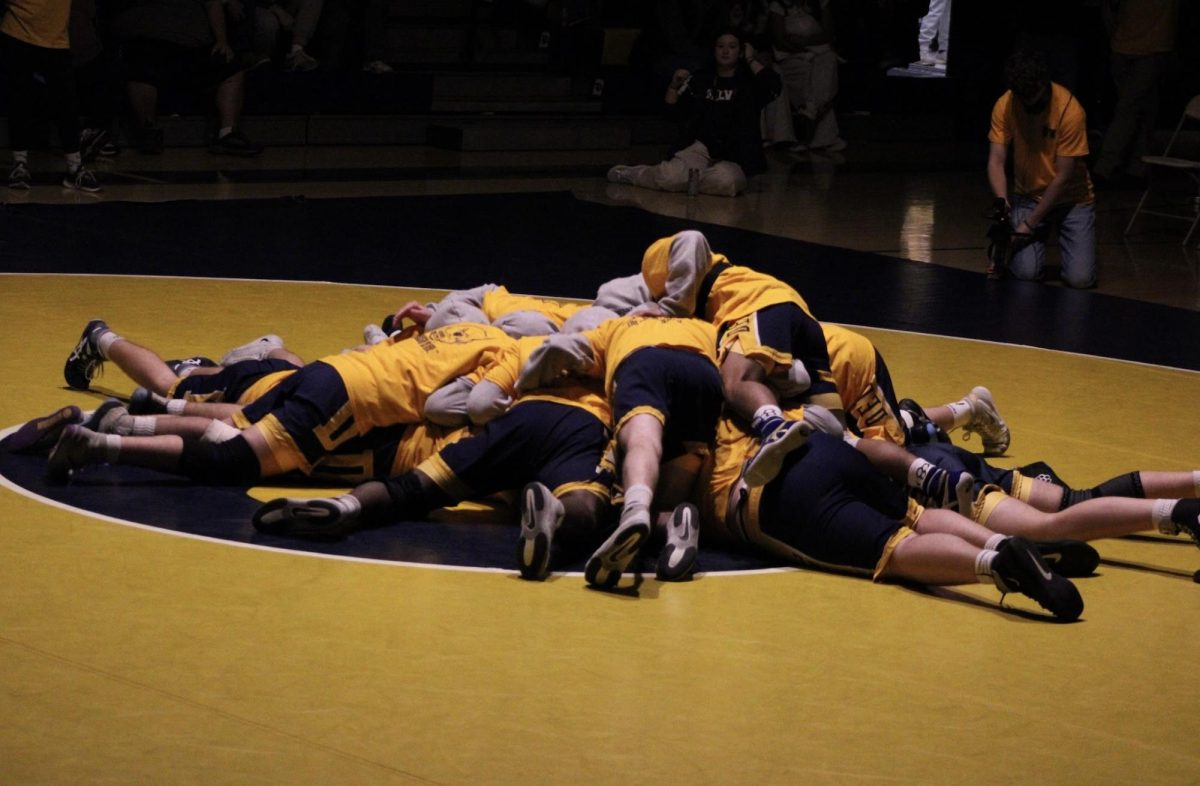
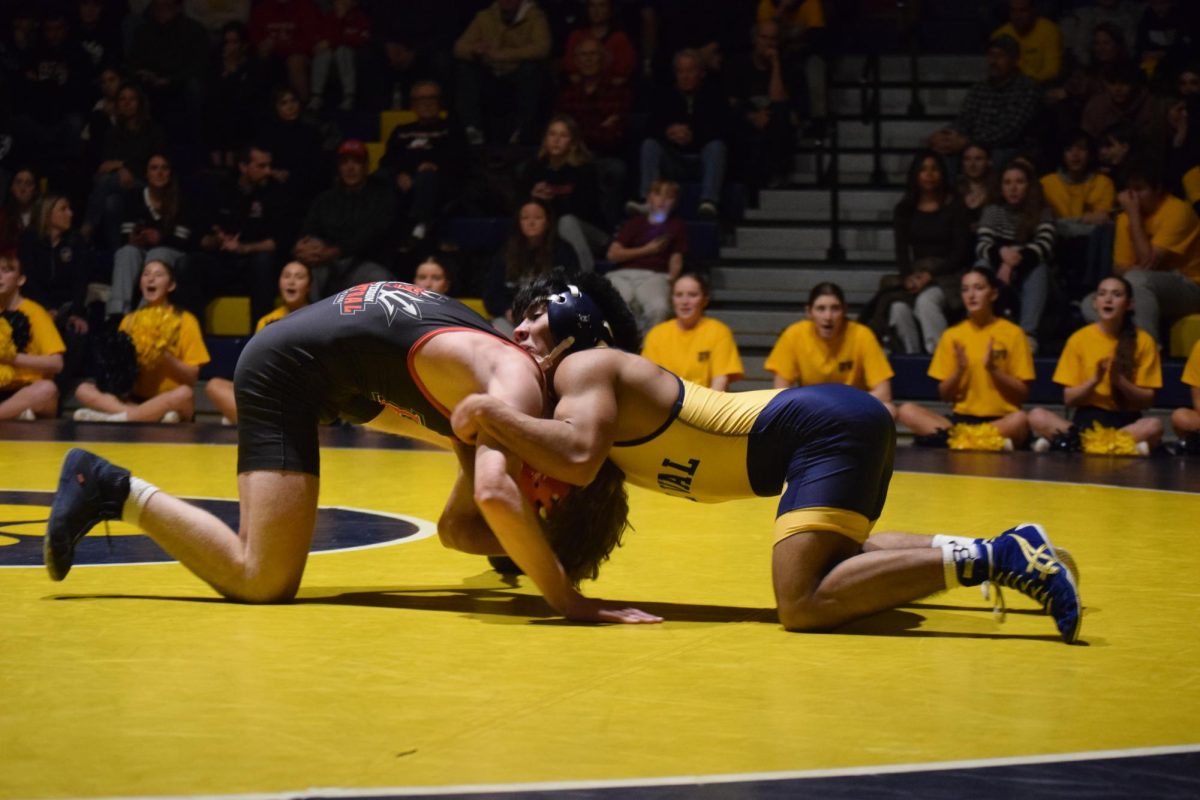
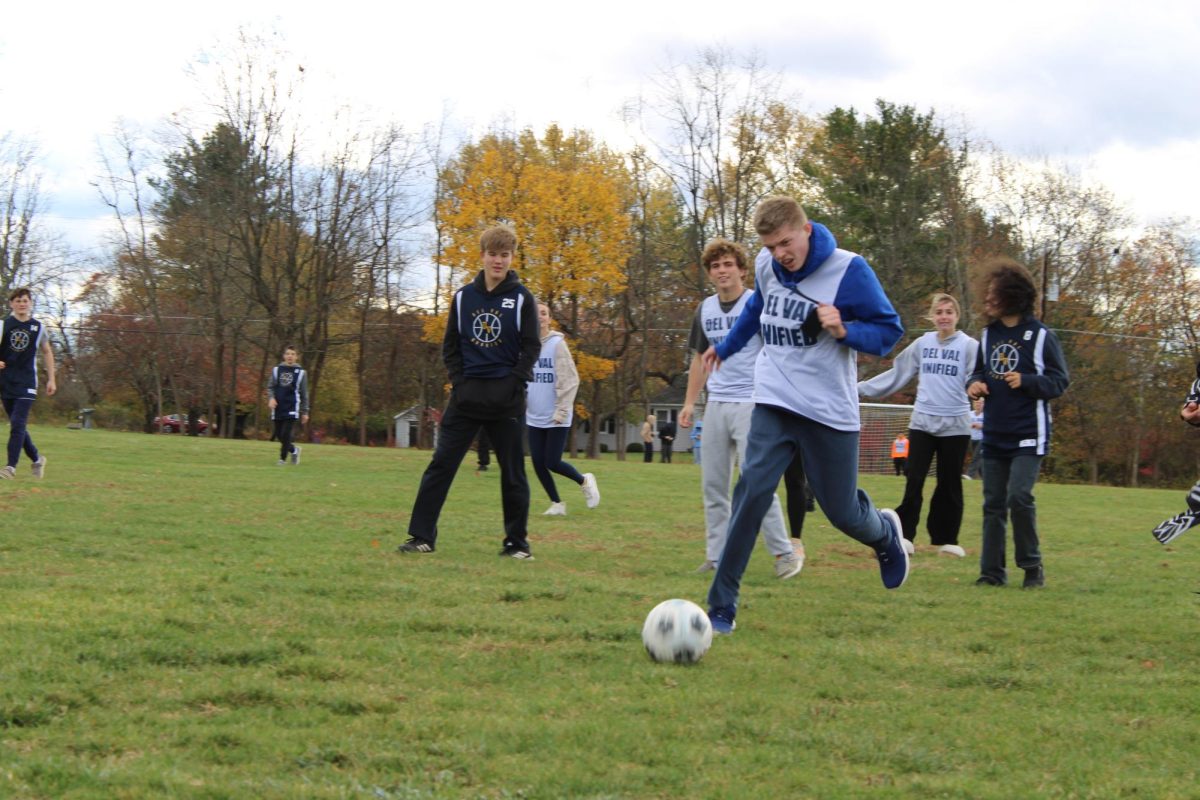
Contrary to this, sports are different in Staudinger-Gesamtschule compared to the United States. Sports are more involved in the United States.
“There’s a lot of team spirit around here for the school’s sports teams.” Added Andre Schulz, Staudinger-Gesamtschule German teacher.
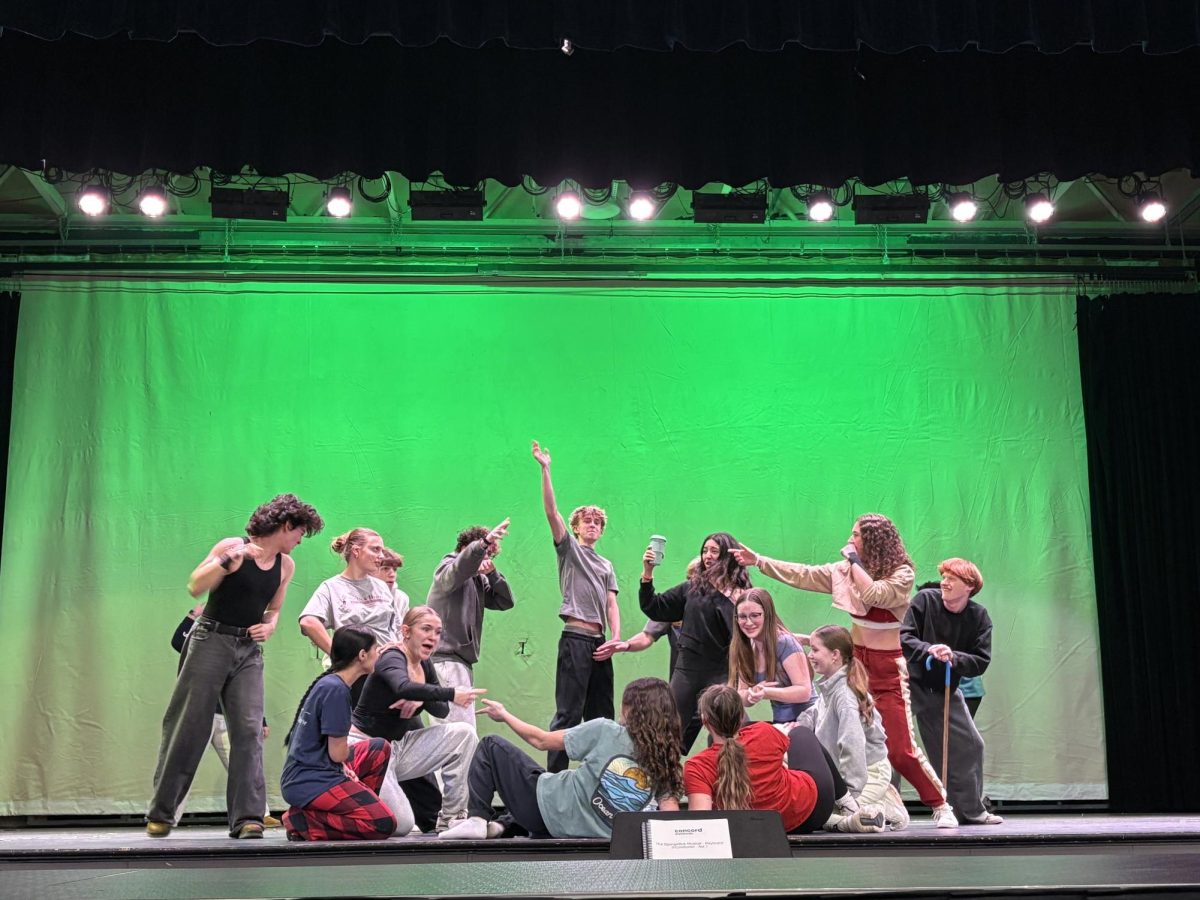
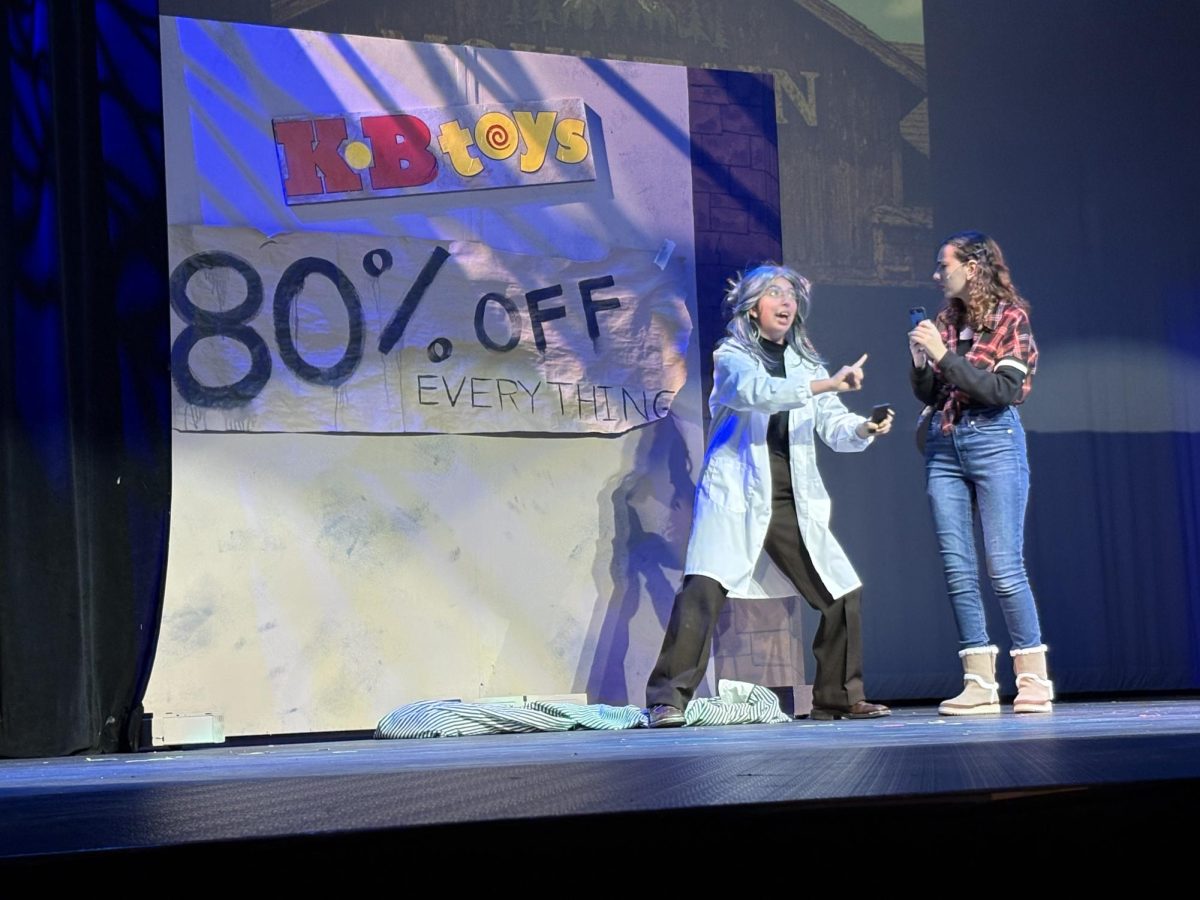
Students also expressed the differences in the theater programs of the U.S. compared to Germany.
“We have a theater play for the younger students, one for the older students, and a musical for everybody,” Huber said. “But the band and theater is not as competitive as it is here.”
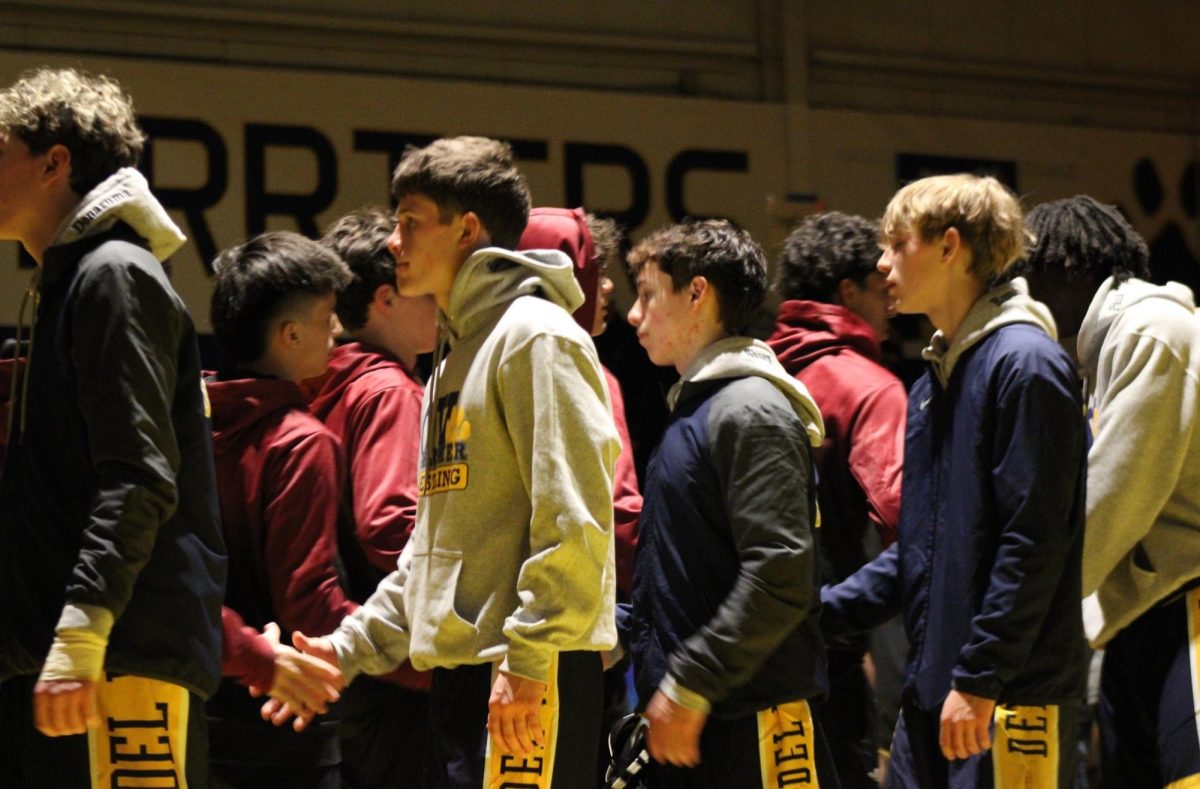
Though the goodbyes were difficult for all the students in the exchange program, Del Val students will travel to Germany this summer. Although traditions and education in the U.S. and Germany differ, the exchange program makes it possible for U.S. and German students to unite despite these differences.