





















































When U.S. Immigration and Customs Enforcement is discussed, the focus is laws, politics and the number of people being detained. Behind those stories are families trying to figure out how to live without someone they love.
ICE detainments of immigrants in New Jersey and the nation, has given a negative impact on families. One local teenager was granted anonymity by The Delphi and shared his personal experiences after his father was detained.
“I was in shocked, unfortunately I was there with my dad when it happened and I was left in the car,” anonymous said.
After his dad was gone, things at home did not feel the same. His younger sisters were too young to understand what was happening, but anonymous and his mom feel the difference every day. He explained that being home feels wrong because there is an emptiness that has not been there before.
Along with missing their dad, the family had to deal with financial issues. Anonymous’ mom became the only person bringing in an income and has to work multiple shifts to support the family. Seeing how much their mom was doing, anonymous felt the need to help out.
“I decided to get a job and work after school, so I can help my mom,” anonymous said.
At only 15, when school and enjoying time with friends should be a priority, he has to think about helping support his family. His mom has taken on more responsibilities too, but thankfully relatives have stepped in to help care for anonymous’ younger sisters.
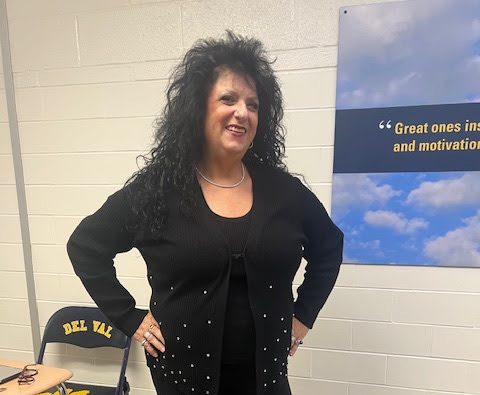
“A lot of times where there is financial stress on the family, the older siblings feel an enormous amount of responsibility to help alleviate this for their parents and the family,” Counselor Jocelyn Moss said. “Sometimes they are holding multiple jobs to help support the family, while trying to be a student at the same time.”
Anonymous’ experience is not unique. Approximately 40,000 people were in ICE detention in January 2025, by early December 2025, that number had grown to nearly 66,000. Behind these numbers are people with families, routines and loved ones who suddenly have to adjust to life without them.

For this teenager, some of the hardest parts are the little things he used to do with his dad. They were very close, one of his favorite memories is going out to eat together. Insignificant moments for him back then, mean a lot more to him now. Although he still talks to his dad regularly, anonymous explained that it is not the same as having him home and being able to talk face-to-face.
“I used to come home and know my dad would be there. Now, I come home and I’m reminded that things aren’t the way they used to be,” anonymous said. “You don’t realize how much someone’s presence means until you have to live without it.”
Birthdays and holidays are especially difficult. Anonymous’ younger sisters sometimes ask if their dad is coming home, and neither he nor his mom knows what to tell them. Instead of being happy occasions, these days can become reminders that someone important is missing.
“Children can experience a variety of emotions if a parent is taken away. Not all emotions look the same across all children either- some may present with sadness, some may present with anger, ” Moss said. “It’s important to be mindful of this and meet the child where they are at in order to be as supportive as possible.”
Immigration enforcement and family separation can contribute to emotional stress and anxiety. Even though this teenager says his situation has not affected his schoolwork or friendships, it has changed his life at home in ways that are difficult to ignore.
When asked what anonymous wished people understood when in a situation like this, their answer showed how personal this experience is.
“It’s the empty chair at the dinner table, missed birthdays and wondering when we are going to see each other again,” anonymous said.
ICE is making a negative impact on the U.S. by separating families, creating financial struggles and causing emotional stress. Families shouldn’t have to go through the pain of missing loved ones and struggle of trying to live without them.
“I wish more people understood the impact that ICE detention has on an individual, familial and systemic level. All of these things are connected to one another,” Moss said. “We may only see one piece to the puzzle at a given time, there are so many things going on beneath the surface that we may not even know about.”
It is easy to see immigration detention as just another political issue, but families experience it in a much more personal way. It means missing a parent, taking on extra responsibilities and not knowing when life will feel normal again.
ICE is creating a negative impact on the U.S. by separating families, creating financial struggles and causing emotional stress. families shouldn’t have to go through the pain of missing loved ones and struggle of trying to live without them.