







































































The Netflix version of the Stanford Prison Experiment is not a real psychological experiment and it should not be advertising as one. The 2026 show has created many changes that differ from the 1971 experiment.
These drastic changes in how the experiments were conducted create the question; is this a reenactment of the original experiment or is this simply a reality TV show?
The Stanford Prison Experiment began in the basement of Jordan Hall, located on the Main Quad of Stanford University in Palo Alto, California.
The experiment was created to examine the psychological effects of authority and powerlessness in a prison setting.
The study was led by Philip G. Zimbardo, an influential American psychologist, educator and professor at Stanford University. Zimbardo used a local newspaper ad to recruit students and after a careful screening process, 24 were selected.

The students were assigned into two groups: prisoners and guards. The experiment was originally 1-2 weeks and unexpectedly ended after 6 days due to psychological mistreatment.
The study was important to the Institutional Review Board, which reviews and approves psychological experiments, because it needed updating and psychological laws needed to be changed.
The New Stanford Prison experiment is a six episode “unscripted reality TV series” that premiered on Netflix on Oct. 21, 2026.
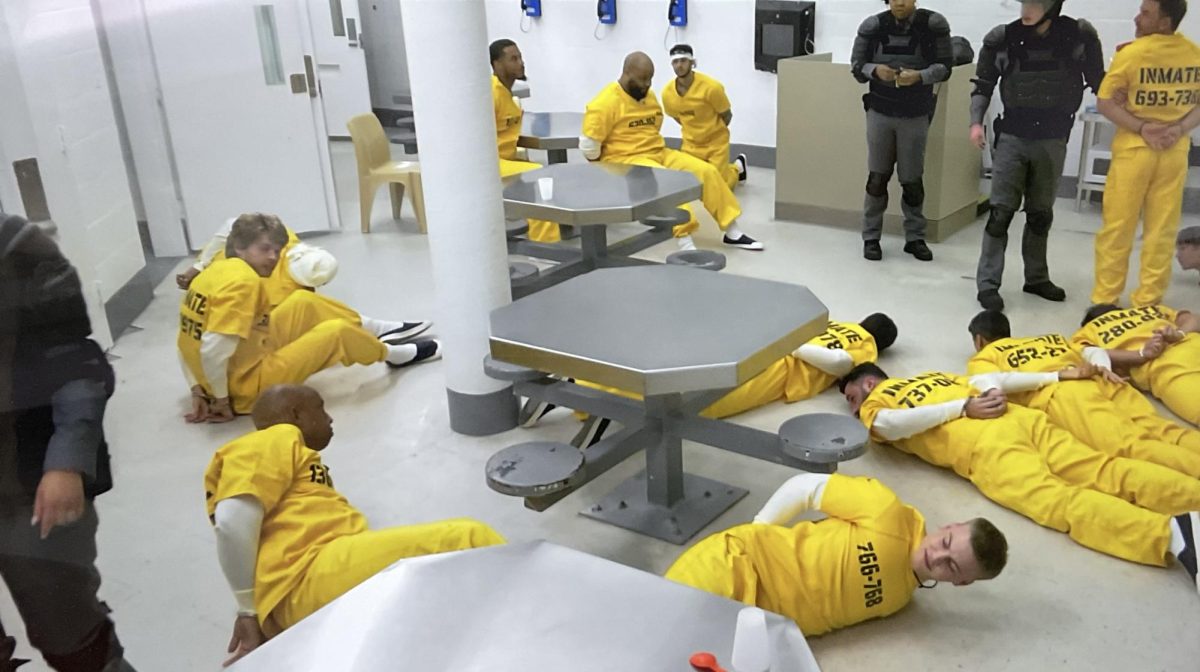
Thirty volunteers entered a decommissioned section of the Cherokee County Adult Detention Center in Canton, Georgia.
It was there where the adults were randomly assigned roles as guards or prisoners to test whether ordinary people conform to assigned power dynamics or maintain their individuality.
That is the extent in which these two “experiments” are similar, the TV show immediately violated the parameters of the original experiment in two different ways.

It violated the parameters is by adding women. To compare a woman in 1971 was expected to prioritize the roles of a wife, homemaker and mother before anything else. Now in 2026, after the Suffrage Movement, 19th Amendment, Civil Rights and Title IX-Battle of the Sexes, the bar for women is set equal to men.
In America, it is an unspoken cultural norm that men do not hit women. By inserting women into a recreation of an experiment where men were attacking other men, the producers completely destroyed the experiment to meet modern day societal gender expectations.
Another difference between the 1971 and 2026 experiments was the use of cameras. In 1971 photography was overwhelmingly analog, it relied entirely on chemical film. The original experiment was not meant for public viewing.
The new experiment was created with the exact purpose of sharing every interesting moment with the public and the participants knew this.
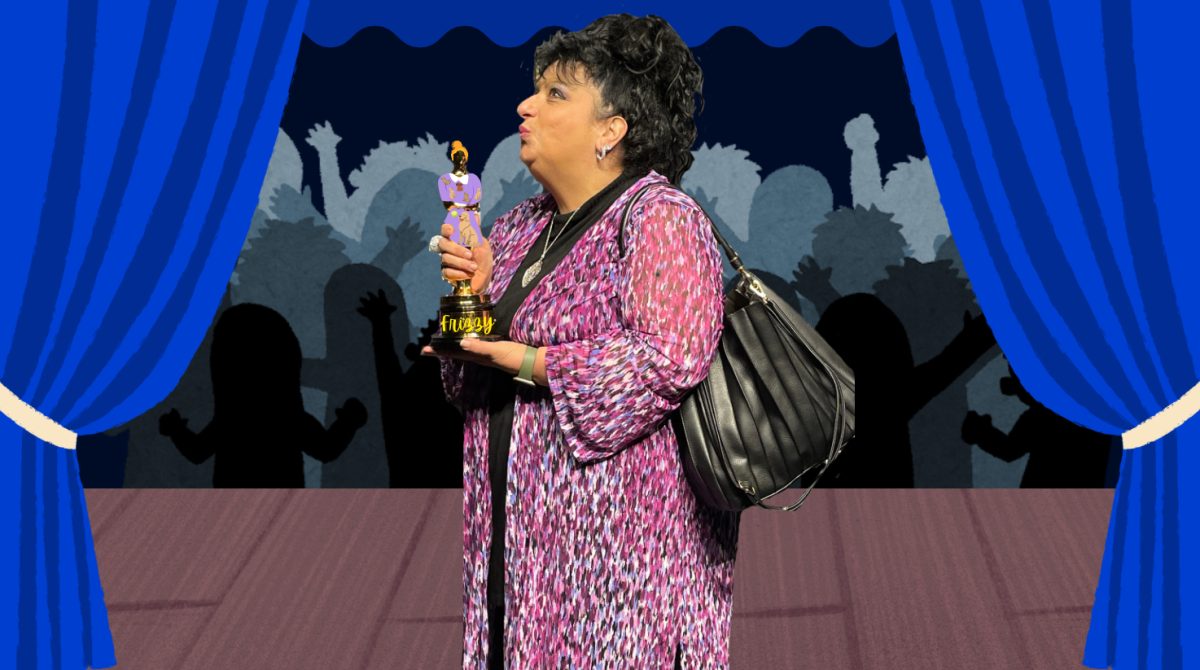
“When we know we’re being watched, we act a different way,” Psychology teacher Susan Spolarich said.
The show is very entertaining, if you’re a fan of reality TV, watch it. If you want to learn more about psychological experiments, open a psychology book.