













































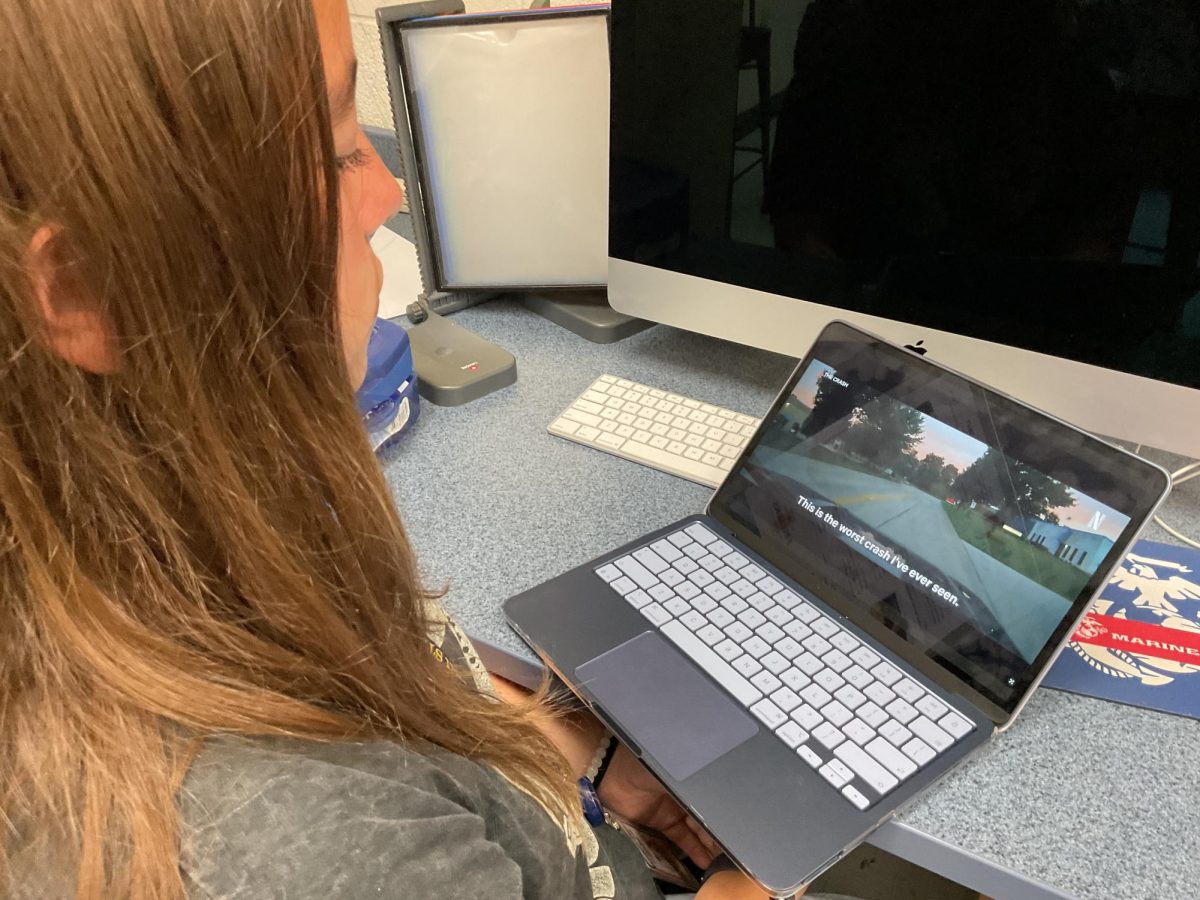
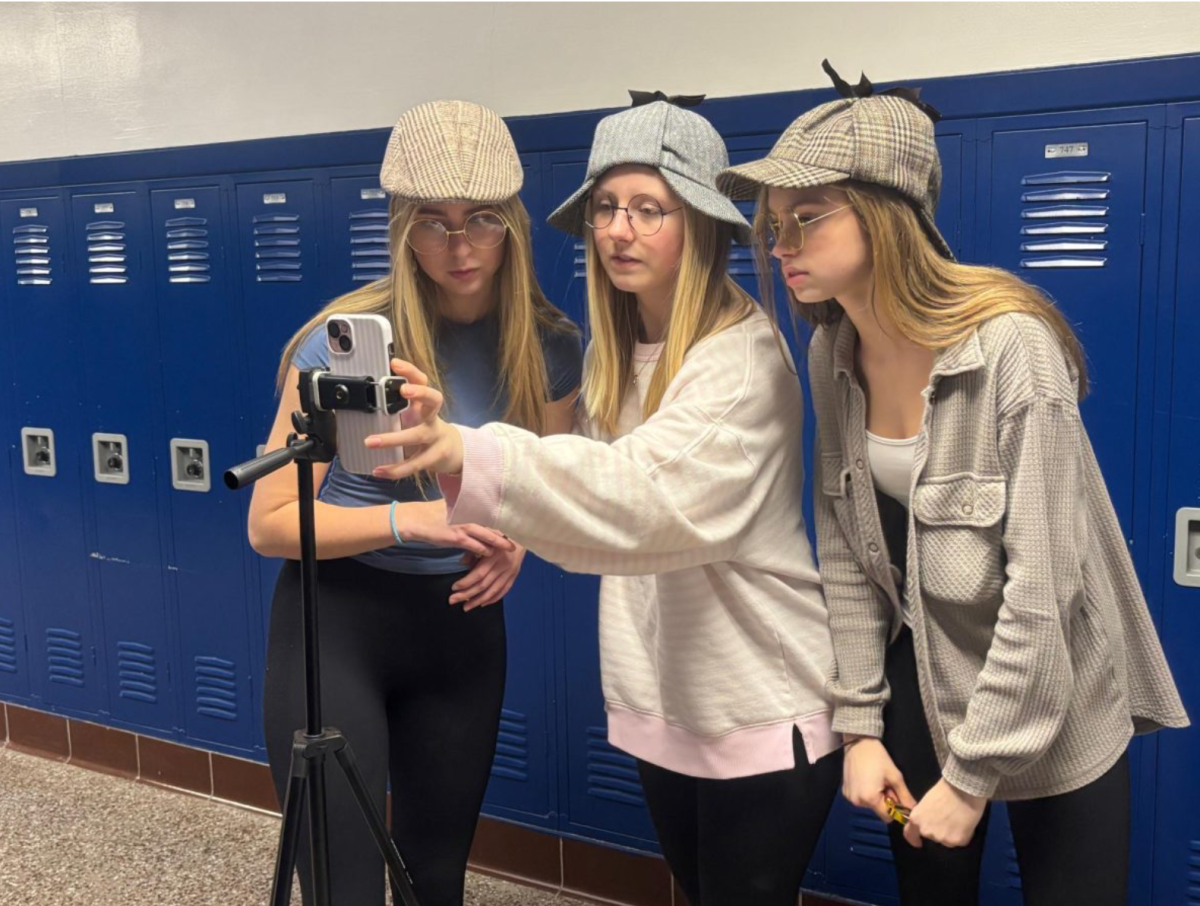

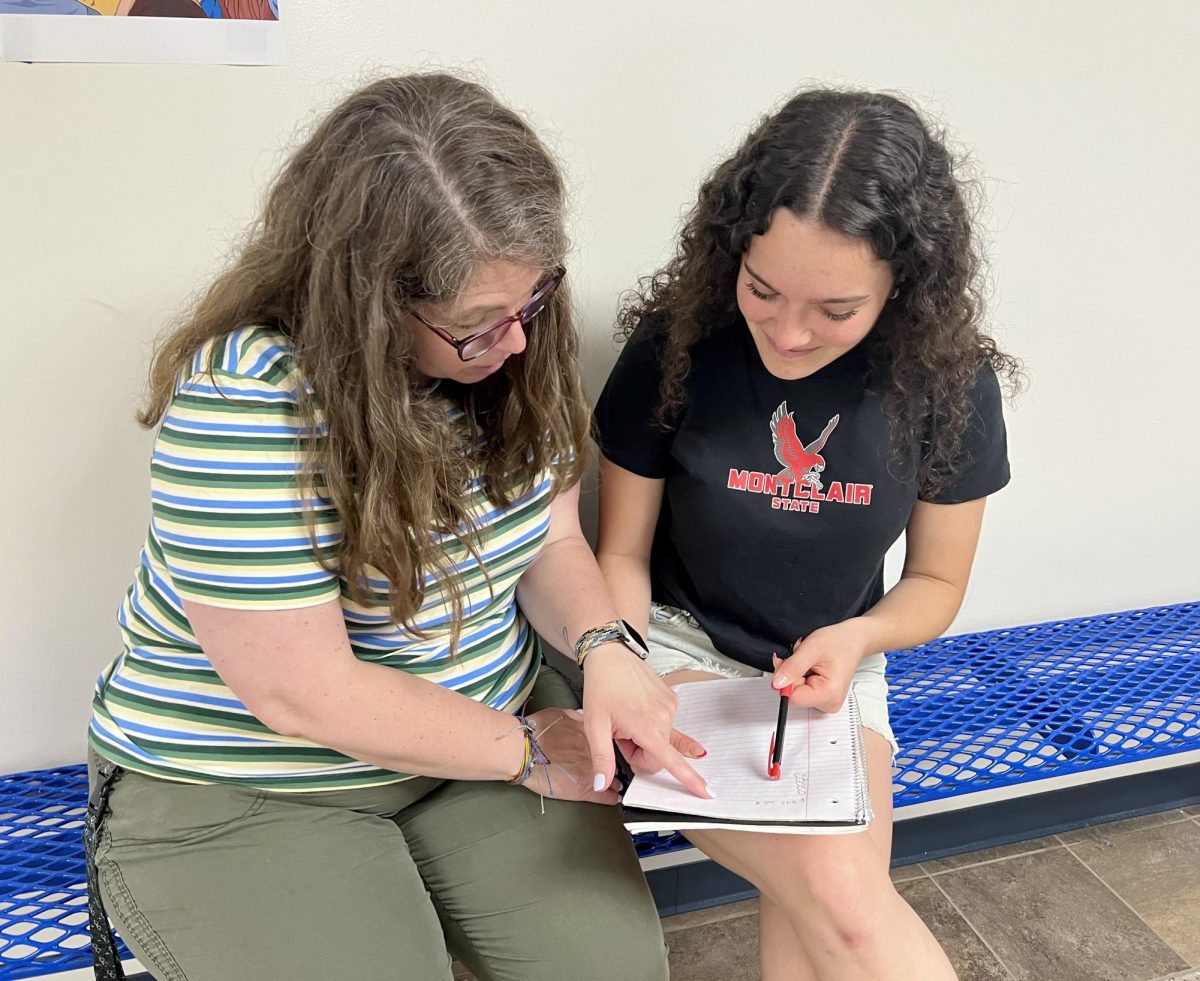










As New Jersey students embark on the new school year, a widely debated item was absent from their bags. The cellphone, along with all other personal internet devices, was to be kept stored away in lockers or left at home due to Bill S3695.
Introduced in September of 2024, the bill requires all New Jersey schools to adopt policies regarding all personal electronic devices. Although each school’s rules may vary, they all require cellphones, along with other internet-ready devices, to be stored away from bell to bell. This means that students cannot access there devices anytime during the school day, including passing time, free periods or lunch.
In most classroom settings, cellphones were mainly seen as a distraction and a harm to students’ education. However, for student journalists, the cellphone is a vital multipurpose tool.
English and journalism teacher Brian Smith explains the greater impact of the new policy.
“It’s affected the tools that we’re able to use,” Smith said. “We’ve had quite a few professional journalists talk with our classes, and at our convention, they all basically say the same thing, that the cellphone is your life blood in journalism and now we don’t have that.”
The cellphone is able to take quality photos and videos, as well as record interviews, take notes and access social media, and just about every student has one. Now that they aren’t permitted in the classroom, teaching journalism students how to report without them has been challenging.
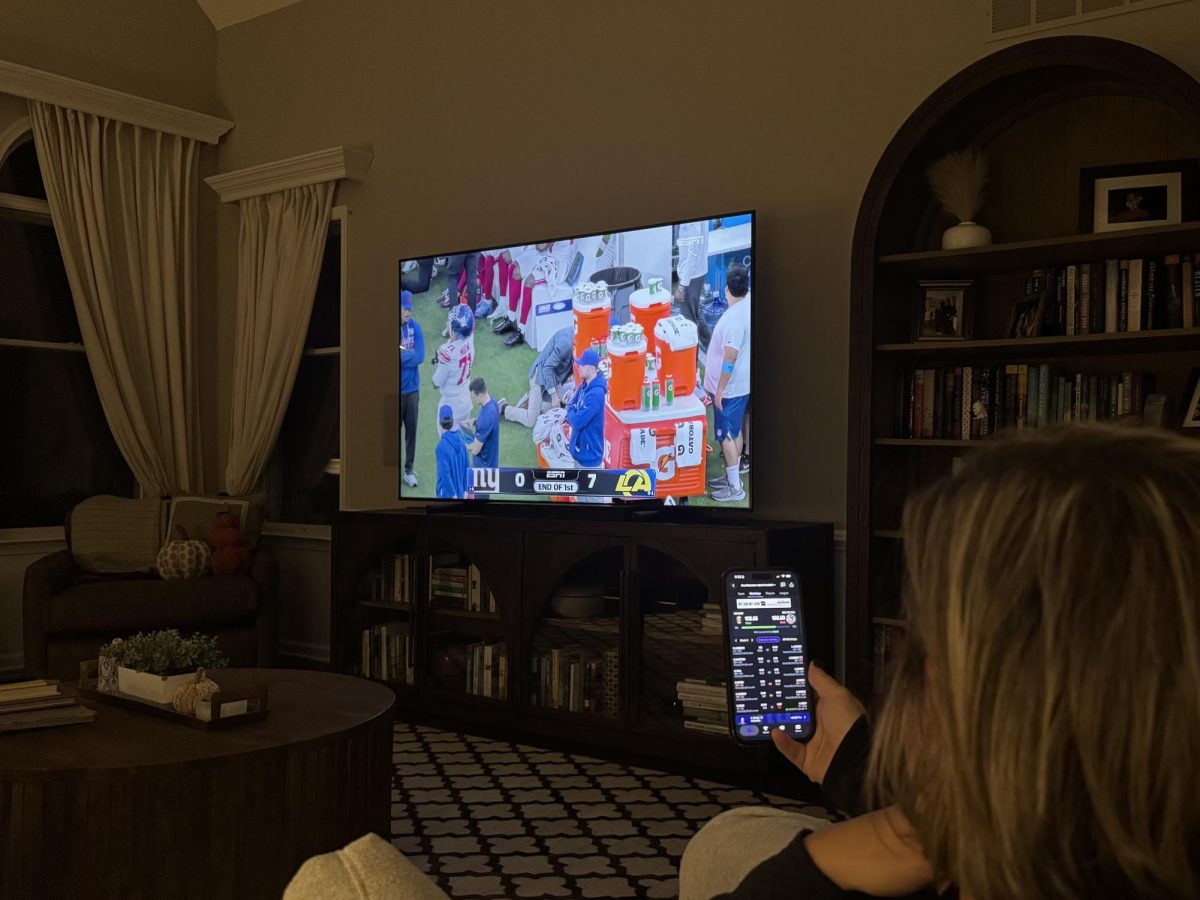
The Delphi’s Editor-in-chief Ella Genovese teaches other students how to use their phones for live event coverage. Prior to the restriction, she was able to do this during class in preparation for after school games and events. Now she is forced to struggle to teach them in the moment.
“I would show them on their phones how to use it for the different tasks they would need to complete,” Genovese said. “Doing that right before the game is not ideal. I can’t be as in-depth. They can’t ask as many questions and then we are trying to fix things on the fly and missing action.”
Student journalists who would also use their cellphones during the school day have now switched to alternate devices.
“It’s just harder to get our job done,” Genovese said. “We only have two recording devices for interviews, so if we have multiple people who need to do interviews that day during class, it’s more difficult.”
Journalism programs have had to scramble to find devices to replace cellphones. The Delphi has acquired iPads and voice recorders for the class. Having to purchase alternate devices puts an added financial pressure on programs that may already have a small budget. Fortunately, Del Val has helped The Delphi with some of these expenses; however, not all programs are as privileged.
“We got lucky that Del Val was willing to foot that bill because our program doesn’t have that money,” Smith said.
Although the intent of the law is to improve students’ education, for journalism programs, it’s making it more challenging. Restricting students’ access to the right tools will only hurt their education, as well as put a financial strain on both high schools and their journalism classes.
“I’m hoping down the line…that there is a curricular exception, that is what we had last year when Del Val had the phones banned.” Smith said.