


Art has been a constant ever since humans began to roam the earth. It has evolved from medieval to Renaissance, surrealism to abstract impressionism, and finally modern day. The style may change but one thing stays constant, it is made by human hands.
Historically, though people appreciate art, artists have been overlooked and severely underpaid. Today, the phrase “starving artists”, has become more apparent than ever. With just a few simple words, a novice can have a masterpiece in seconds.
Many people have found that generative AI has been helpful, but are not seeing the bigger picture. They aren’t thinking about the people who can now get their job stolen by a simple text prompt such as artists. To get insight into the effects of rising technology on artists, we turn to the first generation that has been fighting an uphill battle against AI, Gen Z.
“If you want to make art, then learn. If you don’t want to learn then what are you getting out of the art you are “making” by generating something?” Fox Therond, a 17 year old from Colorado, said. “It will never be just how you pictured something in your mind if you are just telling a robot what to do. It will never convey whatever emotion you want to convey because it does not understand how it feels to feel emotion.”
In the art community, this is the general attitude towards generative AI.
“For people, both professional artists and hobby artists, art is a conduit for speaking of their own experiences,” Zack Gerace, a 17 year old mixed media artist from New Jersey, said. “That’s simply something that you cannot achieve with AI art because it does not know you, it’s not in your head, and it is an amalgamation of other people’s voices.”
Getting a job in the art field is a struggle, even more so if someone doesn’t have pre-existing connections to potential employers. With the rise of AI, it has made the job market worse. Sam Hendrikson, a 16 year old traditional artist from Georgia comments on this struggle.
“It’s so easy to just have something generated from a prompt rather than having an artist go out their way and make it for you because of time, effort and in some instances money.” Hendrikson said.
Businesses can now save a quick buck by using a text prompt instead of human labour. Young artists are having to sell themselves short, lowering the price of their work or giving commissions out for free just to get visibility. A career in art is reliant on a system of supply and demand. Without that demand, many artists are left without a job.
“I want nothing more than to be able to go into art professionally,” Roe Diaz-Oddesey, a 17 year old painter from Philadelphia, said. “It’s my passion, and something that I see does true good in the world”
Artists have an unwavering drive for their craft. As Diaz-Oddesey describes, it’s a passion.
-
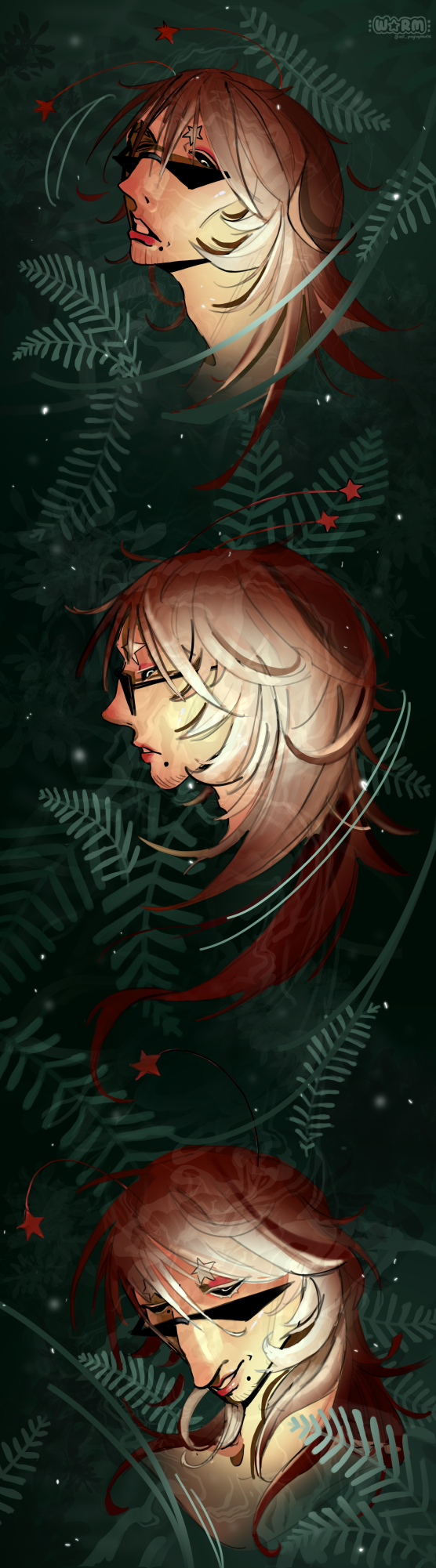
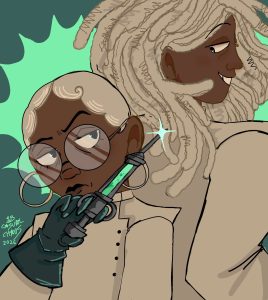
Digital illustration by Mantis Weidner
-
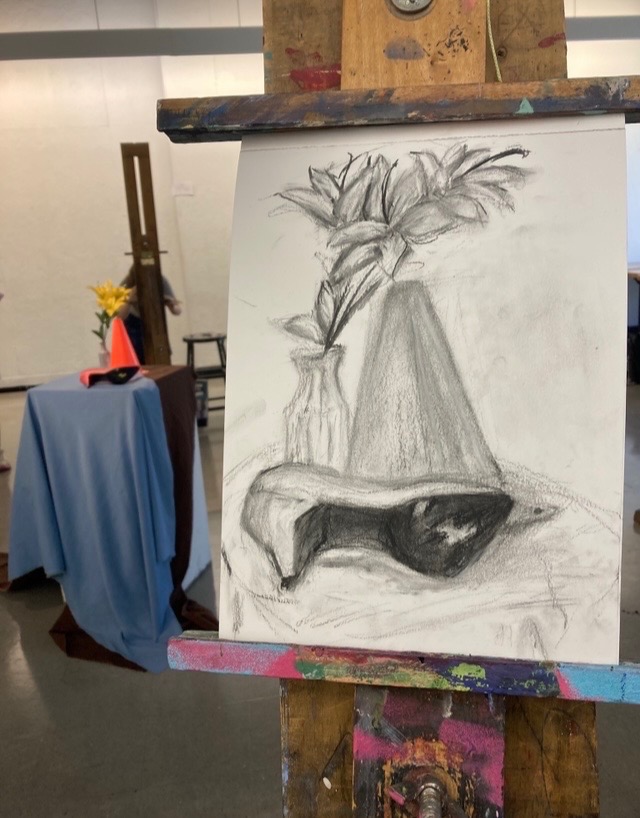
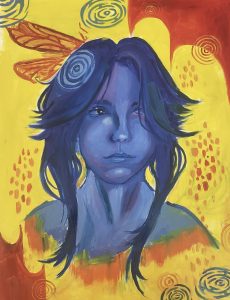
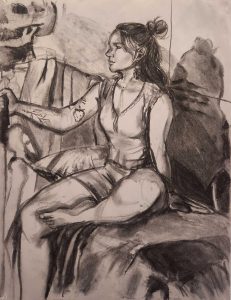
Painting by Fox Therond
-
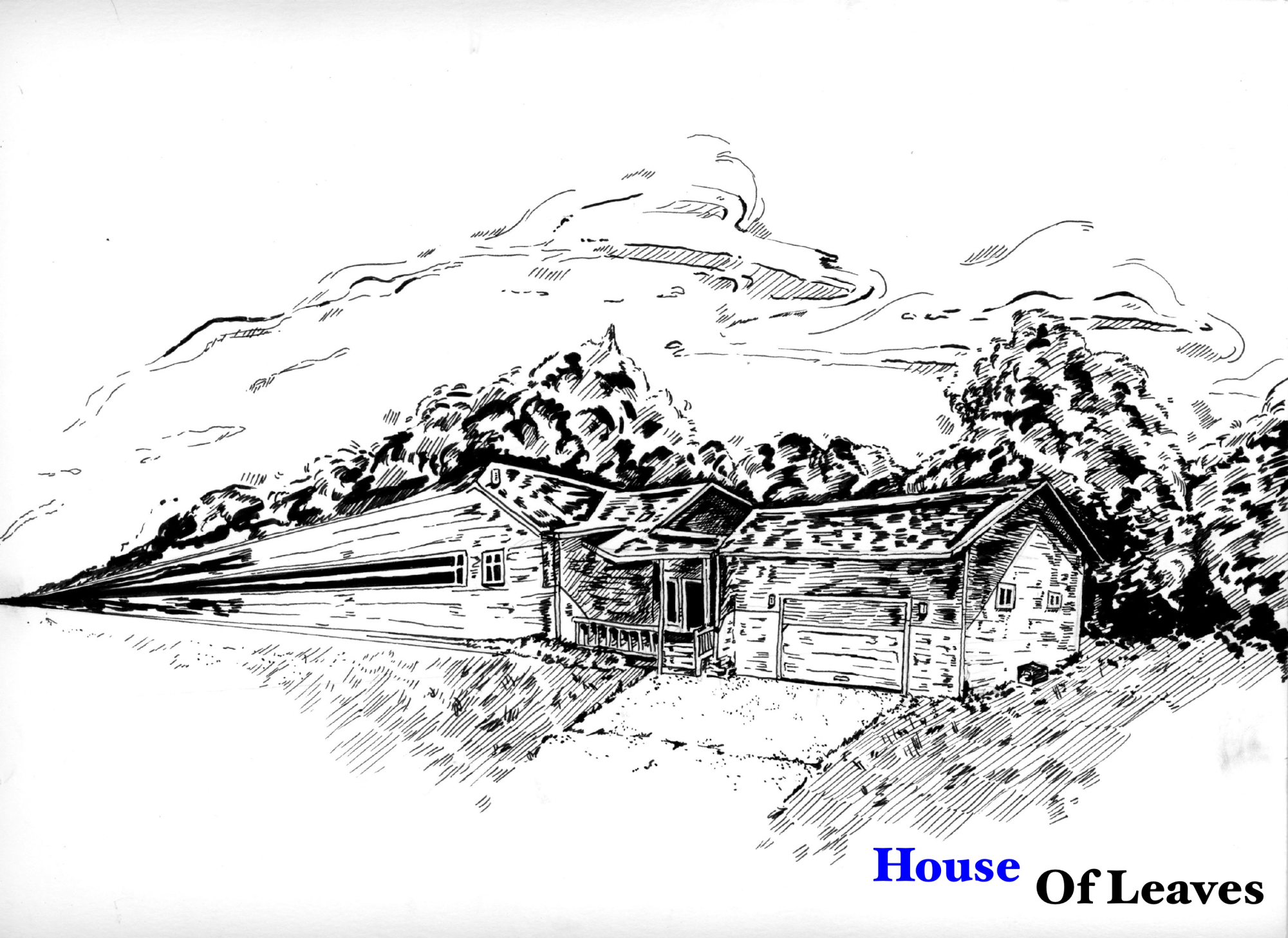
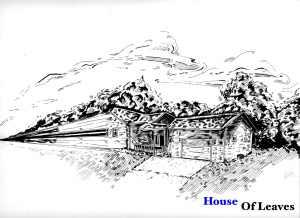
Illustration by Zach Gerace
-
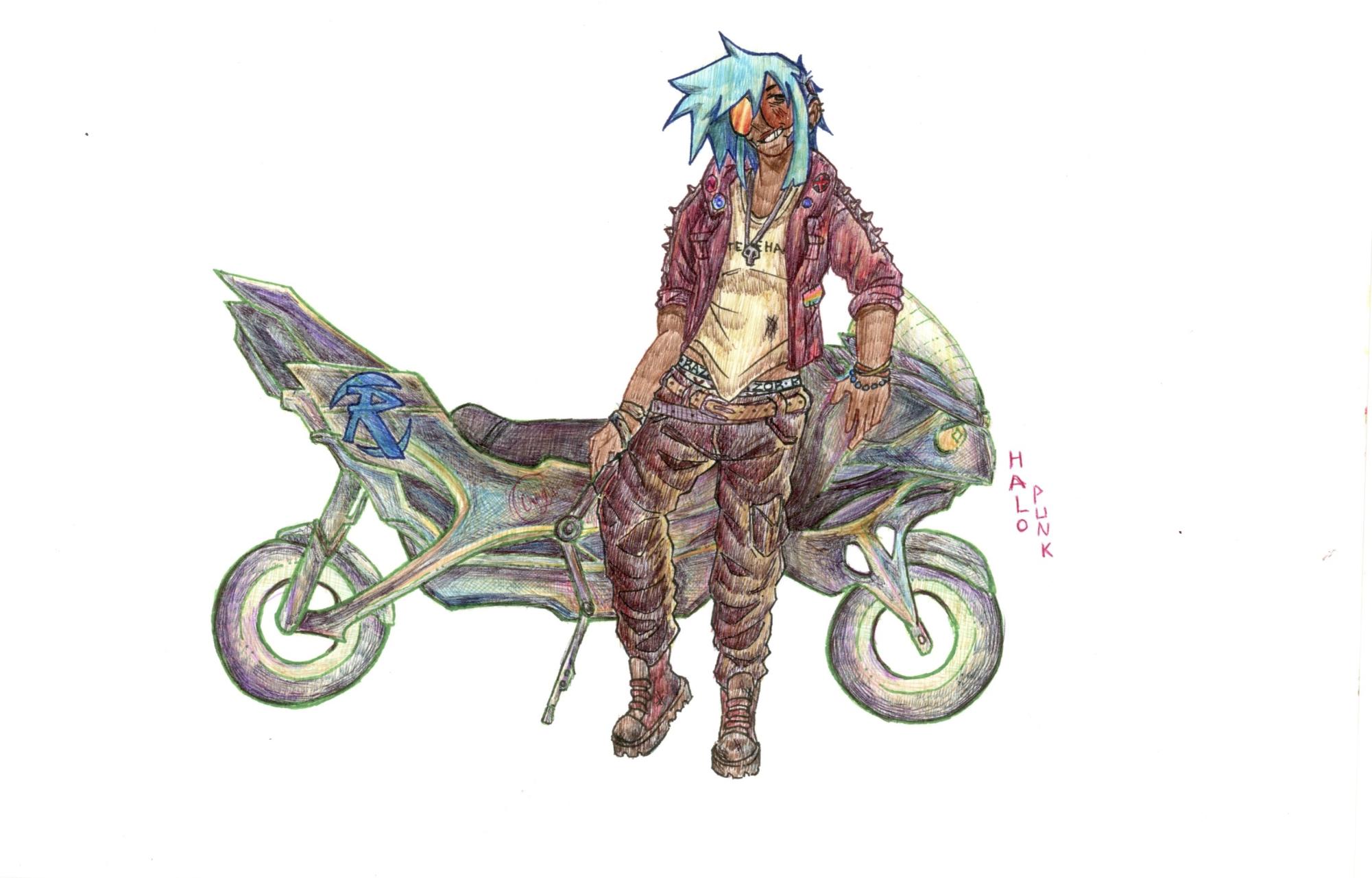
Illustration by Sam Hendrikson
-
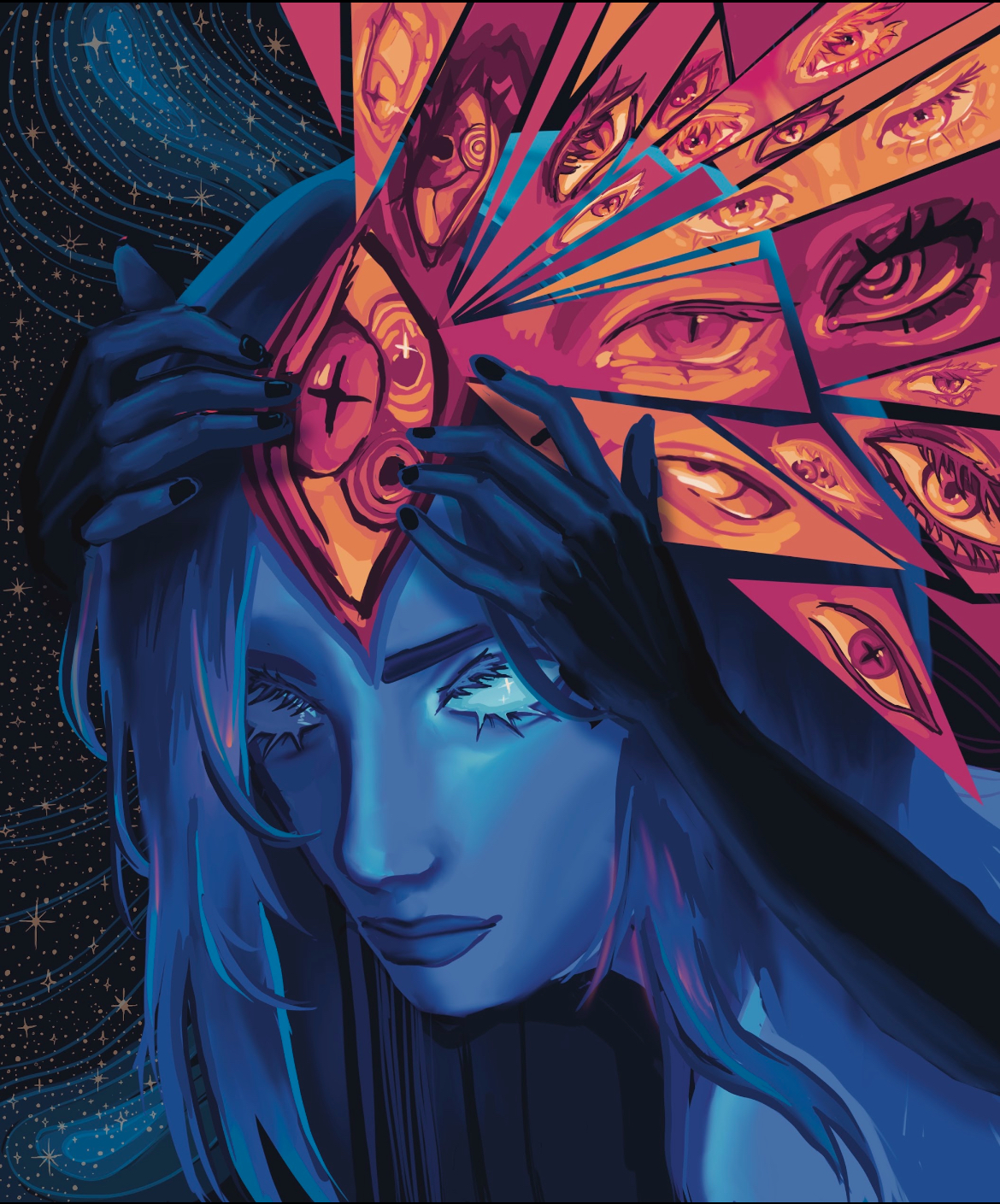
Painting by Fox Therond
-
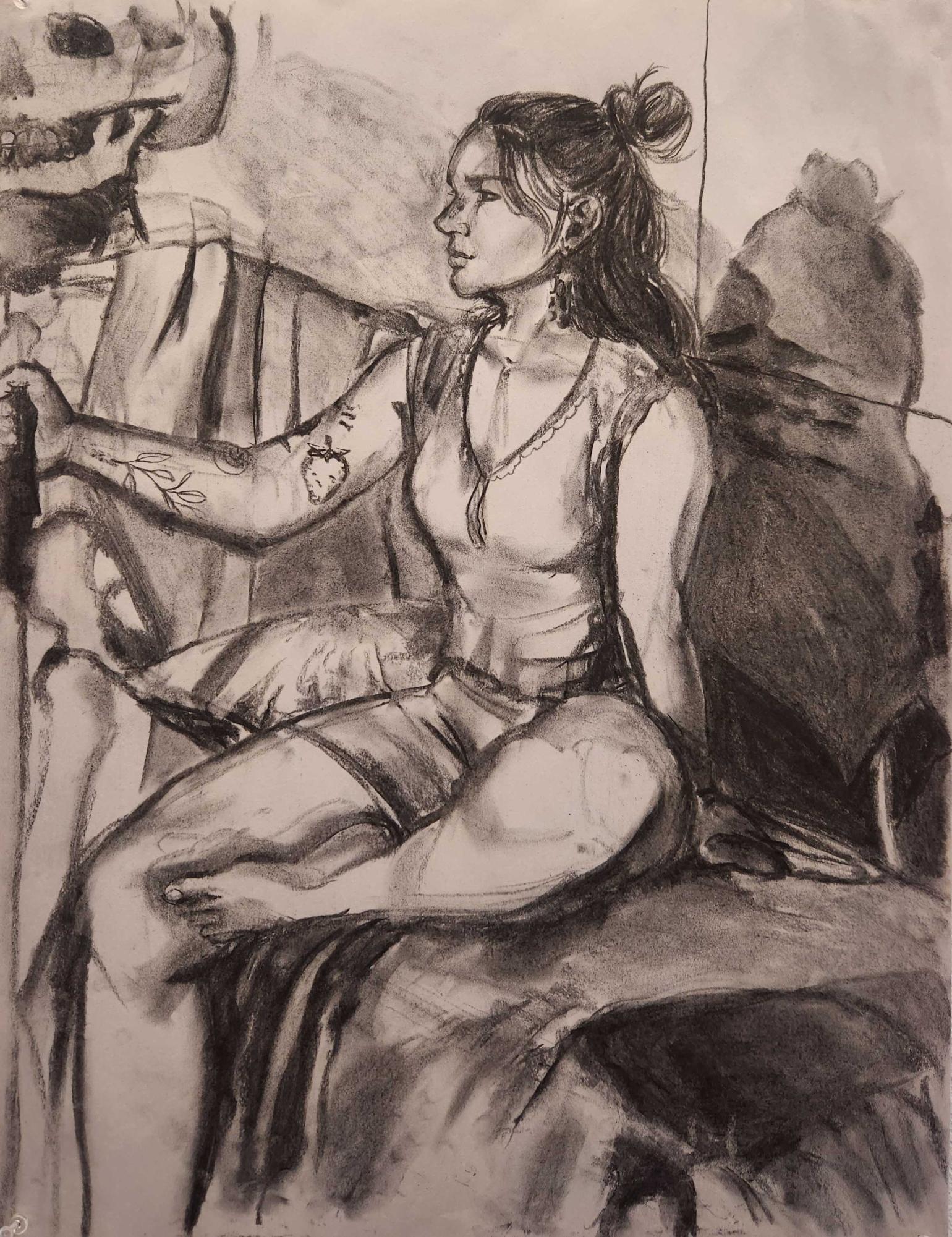
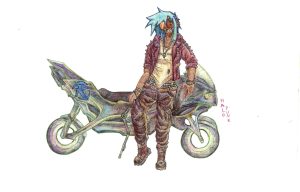
Illustration by Mantis Weidner
-
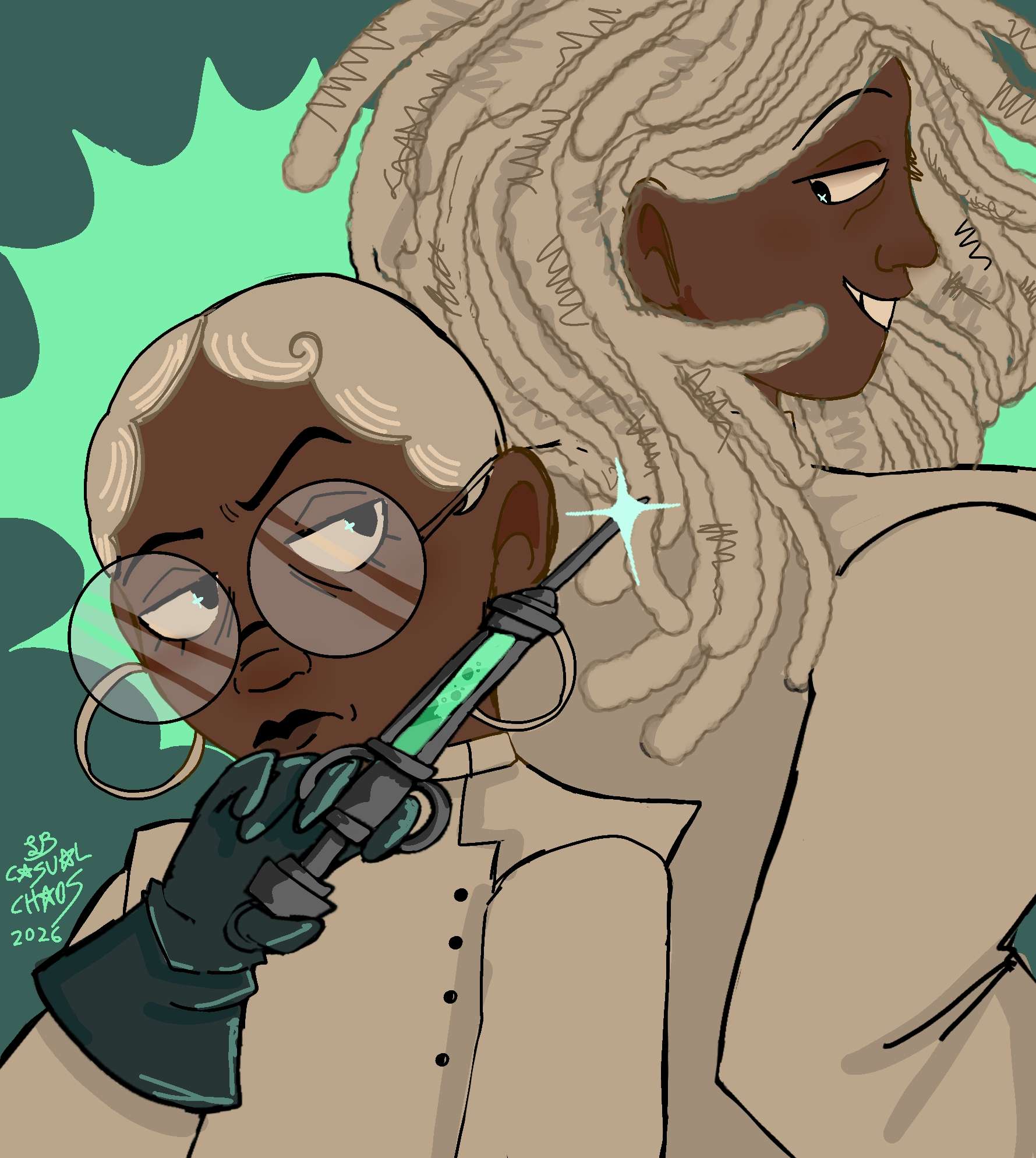
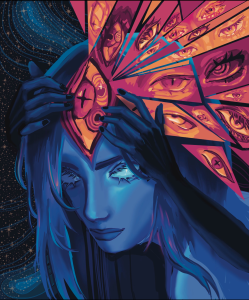
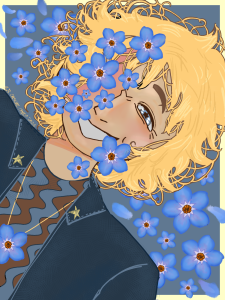
Digital illustration by Lilah Bender
-
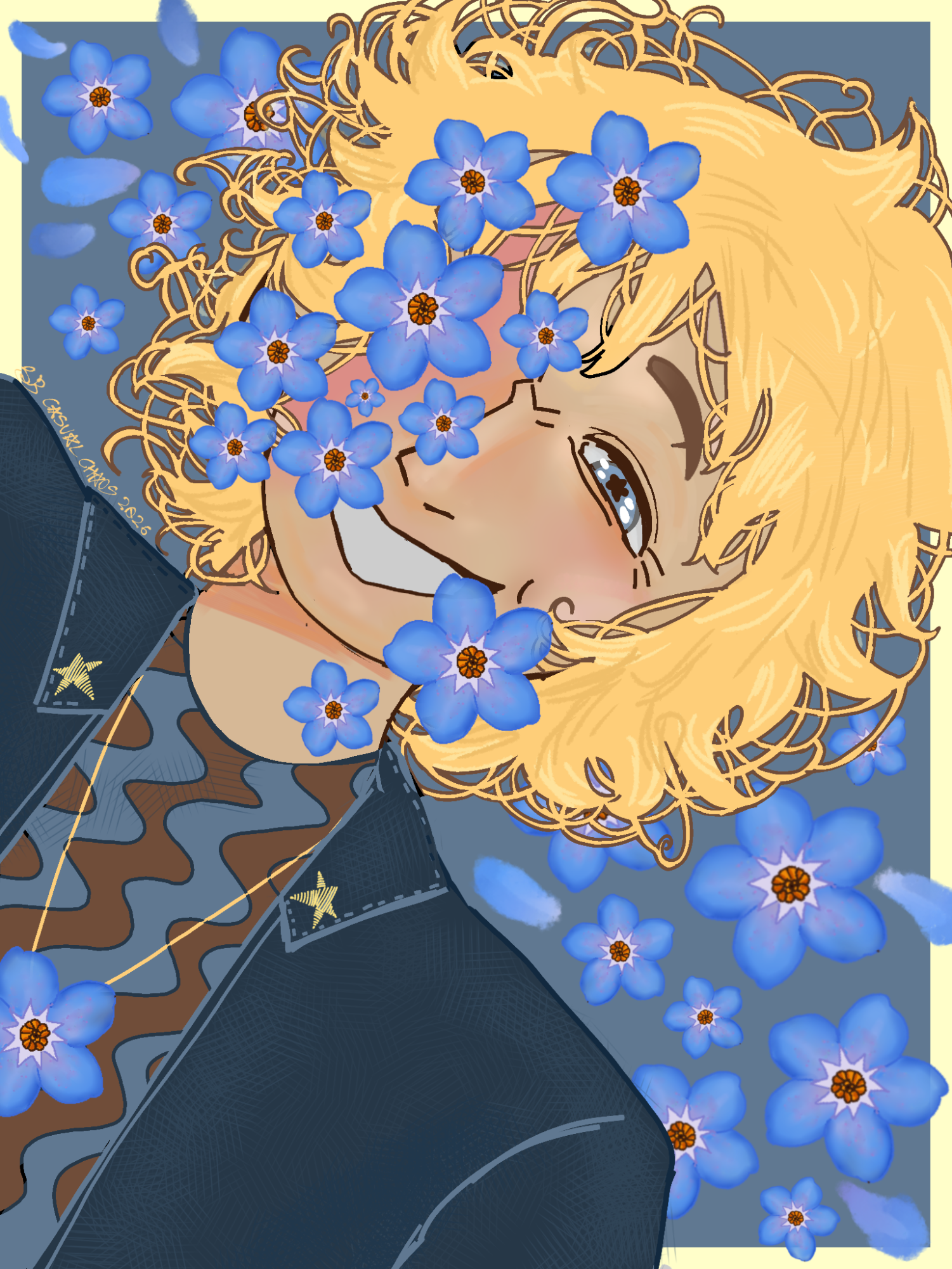
Digital illustration by Lilah Bender
-
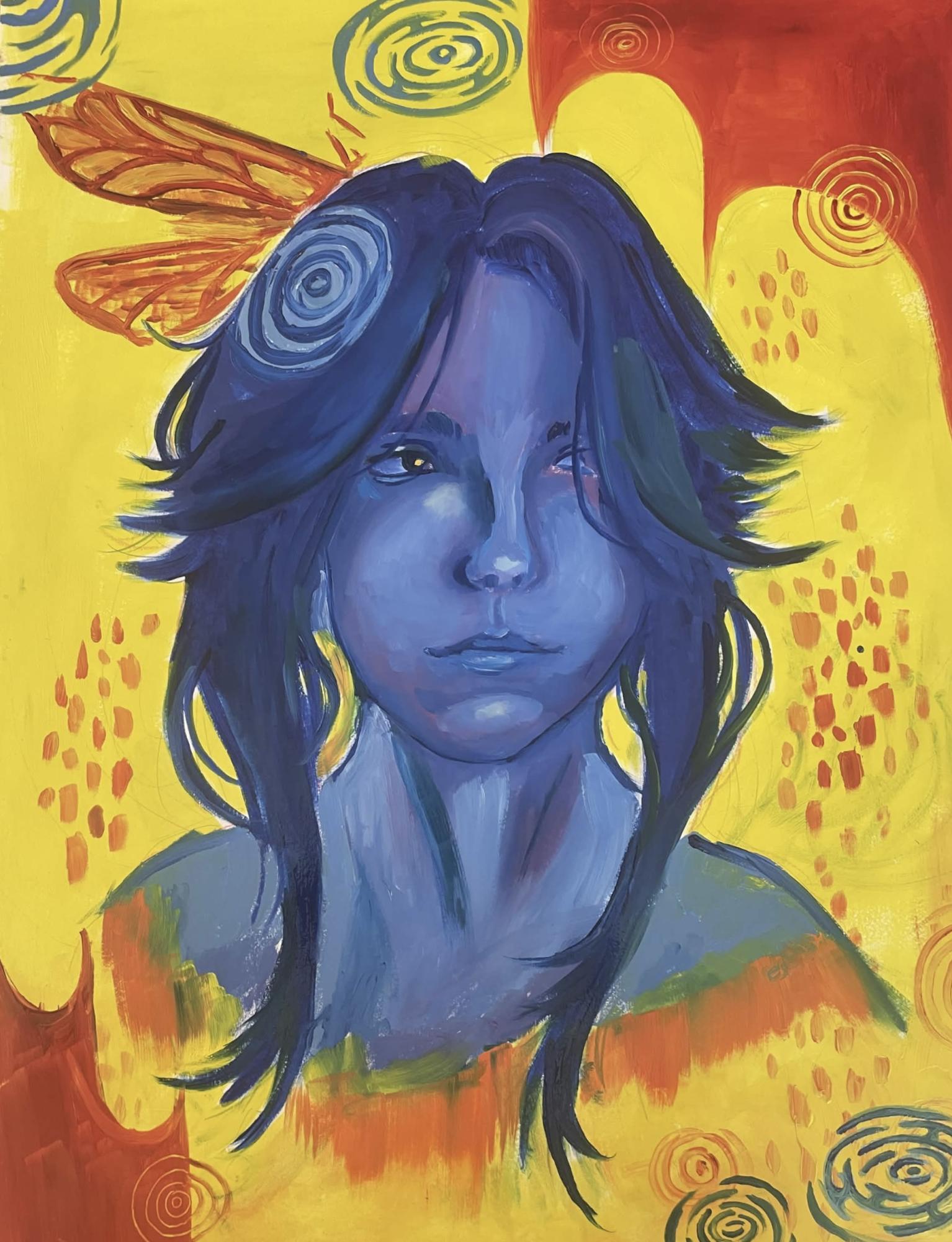
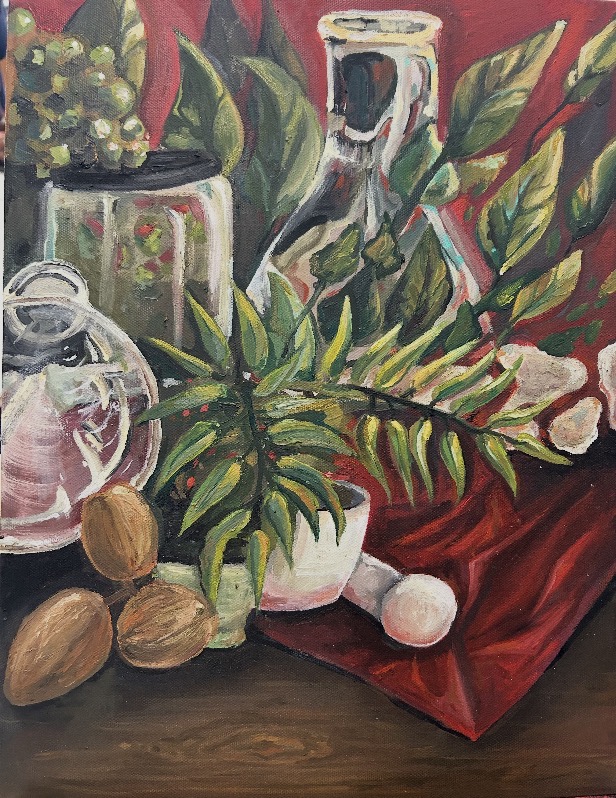
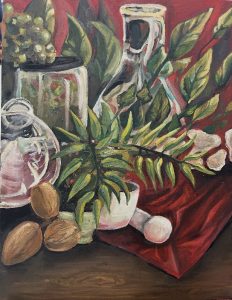
Painting by Roe Diaz-Oddessey
The act of creating is mutualistic, both the creator and the viewer benefit. When AI gets thrown into the equation, the dynamic shifts.
“It negatively affects the beauty of creating art because it’s giving an inherently human task to a robot,” Lilah Bender, a 17 year old digital artist from Connecticut, said. “We’ve been doing this since day one, you know, so like when you give that to AI, you are denying that part of yourself that comes from being human.”
The way generative AI works is it learns from pre-existing data and attempts to make something new based off of it, a copy of other people’s talent. Generative AI can train their database off certain artists, replicating their style to an unsettling degree. As technology advances it has gotten harder to decipher what’s real.
“I’ve been fooled with AI,” Mantis Weidner, a 16 year old digital artist from Colorado said. “Mostly it just made me feel dystopian almost, because whenever I find myself confident that I can spot AI, I learn that something I liked or believed was real was not.”
This has resulted in a push for content to be explicitly labeled when it’s created by AI. Not only is this technology hurting the art community, it increases the amount of misinformation that the internet holds. When people see generated images, not knowing they’re AI, as proof for false facts, it’s harmful.
“I was fooled once briefly, there was a PSA that was about AI and at the end of the PSA it revealed the person in the beginning of the video wasn’t real and they were AI,” Diaz-Oddesey said. “I felt sick, it didn’t feel right that people’s features were being used to replicate them, it felt like something straight out of a dystopian horror novel.”
The adjective dystopian is very present in discussions about AI as many people have expressed their concerns about the advancing technology. Thought there is no way to control what will happen in the future, people can control how much they use this technology. The less people use AI, the less it analyzes, the less it learns and it will never replicate the humanity that comes with art.
“There’s something that I remind myself sometimes where it’s like, even if AI is in its infancy, I highly doubt that if you asked 100 people, even one could name a practicing AI artist at the moment, but at least a few of them should be able to name a practicing artist from any other medium,” Gerace said.