



























































Faces grimace at the announcement: “20 minutes remaining.” Hands begin to sweat as students frantically select answers without reading all of the options. Time is running out — or so students believed.
For juniors across the state of New Jersey, that stress was a reality on Monday, March 16. Confusion over the structure of the NJGPA-A, an adaptive exam required for graduation, caused many students to rush to submit the test long before the allotted time was actually up.
At the start of the test, proctors read the following instructions:
“You will have a total of 150 minutes to complete all questions of the English Language Arts Reading component. You will now complete the first of two 75-minute sessions. After a break, you will have 75 minutes to complete any questions remaining in this unit. I will let you know when you have 20 minutes of testing time left and when you have 10 minutes of testing time left.”
At the 20-minute remaining mark, proctors added:
“You have 20 minutes remaining for Session 1. You may go back and review any questions previously answered or marked for review at this time. Please note, once this session ends, you will not be able to return to previously answered questions. In the next session, you will be able to finish any remaining questions for this unit.”
This year, New Jersey introduced a new testing platform, Cambium Assessment, that was unfamiliar to students. The structure of this test differed vastly from previous state-administered exams, which may have contributed to the confusion.
While there was a large variety of interpretations of the instructions, most test-takers expected new material in session two. However, as it turns out, students were intended to have the full 150 minutes to complete just the initial set of questions.
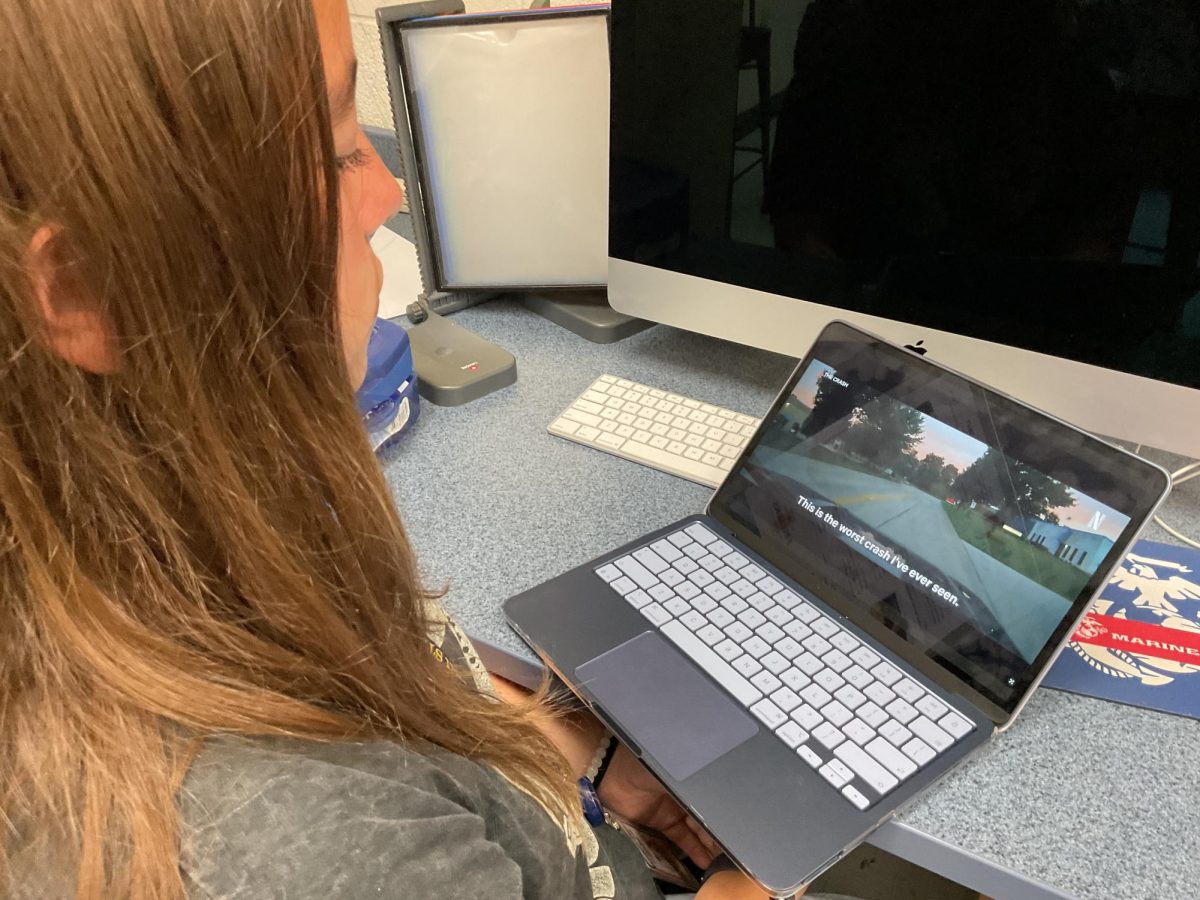
The confusion prompted Del Val junior Sarah Sencher to answer half of the test questions without reading the passages.
“I was very surprised when the proctor said there was only 20 minutes remaining because I was only 50% done with the test at that point,” Sencher said. “I felt slightly panicked and overwhelmed with the amount of questions I had left to do. If I had known I had more time for the entire test, I would have taken my time to finish the second half and been able to check and review my previous responses.”
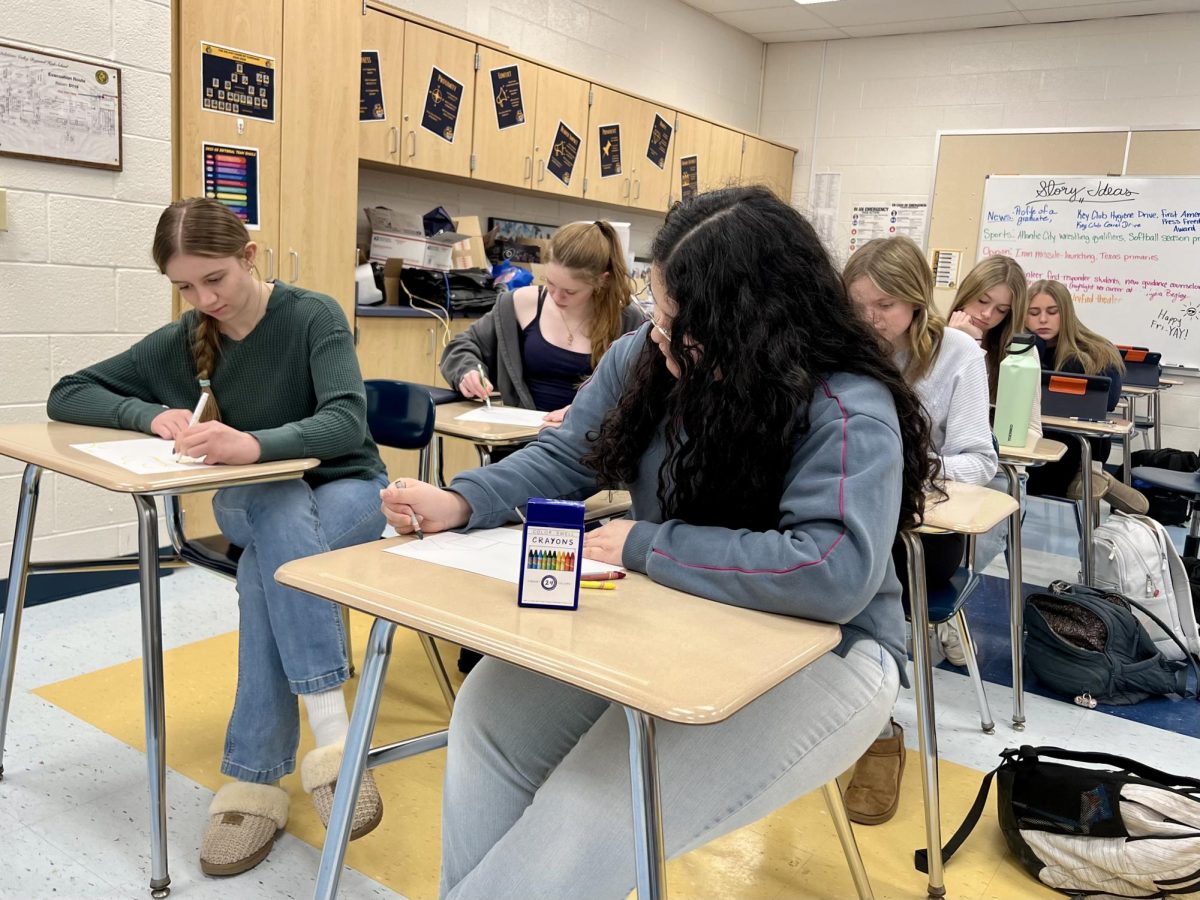
This predicament was not isolated to Sencher. The confusion spanned testing rooms and affected many members of the class of 2027.
“I was worried that a lot of people weren’t able to perform to the best of their abilities,” Grace Slack, a Del Val junior, said. “I wouldn’t be surprised if the fail rate this year is considerably higher than in the past.”
Supervisor of Assessments Kristina Sterbenc found that the issue wasn’t isolated to Del Val, either.
“In talking with some of my colleagues at other schools, it sounds like they had similar issues,” Sterbenc said.
Margaret Spann, a junior at North Hunterdon High School, a school located about 11 miles northeast of Del Val, experienced similar issues on her first day of testing.
“The same exact thing happened to us,” Spann said. “Everyone was so confused because we all finished on the first day, and then, all of a sudden, everyone was like, ‘Wait, we have another 75 minutes to work on it?'”
While day one, the English Language Arts test, was chaotic, students had the process down and were better prepared for mathematics on day two.
Students are concerned because this exam is used to determine graduation readiness, and they must pass both ELA and math. Juniors are hopeful that the New Jersey Department of Education will be accommodating if these obstacles considerably affected their performance.
“Students need to keep in mind this is a brand new test on a new-to-New Jersey testing platform,” Sterbenc said. “Yes, the NJGPA is a graduation requirement, but there is no need to panic at this time….There are safety nets built in should we need them. We need to wait until the state can look at the data from this testing and make any necessary adjustments.”
Any students who are particularly worried about testing mishaps are encouraged to contact Sterbenc via email or set up an in-person meeting.
“Students are more than welcome to reach out to me if they have questions and concerns,” Sterbenc said. “Otherwise, we all need to wait until the state gets me additional information.”